
Personal change rarely begins with a loud moment. In our experience, it often starts with a pause. A slower inhale. A softer exhale. Then something shifts inside us. We speak with more care, react with less heat, and notice what we usually miss.
Breath-focused rituals help us create that pause on purpose. They are simple actions that give shape to attention. When we guide the breath, we often guide our state of mind as well. That is why small rituals can support larger change over time.
Research gives this idea real support. A meta-analysis of 12 randomized controlled trials found that deliberate breathwork helped reduce stress, anxiety, and depressive symptoms. We do not need a perfect routine to begin. We need a repeatable one.
Why rituals work when change feels hard
Many people try to change through force. We have done that too. It usually lasts a few days, then life interrupts. Rituals work differently. They are small enough to repeat, and steady enough to shape our inner tone.
Breath makes this easier because it is always with us. We do not need special equipment. We do not need a full hour. We only need willingness and a few minutes of honest attention.
Small breaths can lead to real change.
Below, we share ten simple rituals that can fit into ordinary days.
Ten rituals for steady inner change
Each ritual has a purpose. Some calm the nervous system. Others help us reset before action, soften emotional strain, or close the day with more clarity.
-
The waking breath check
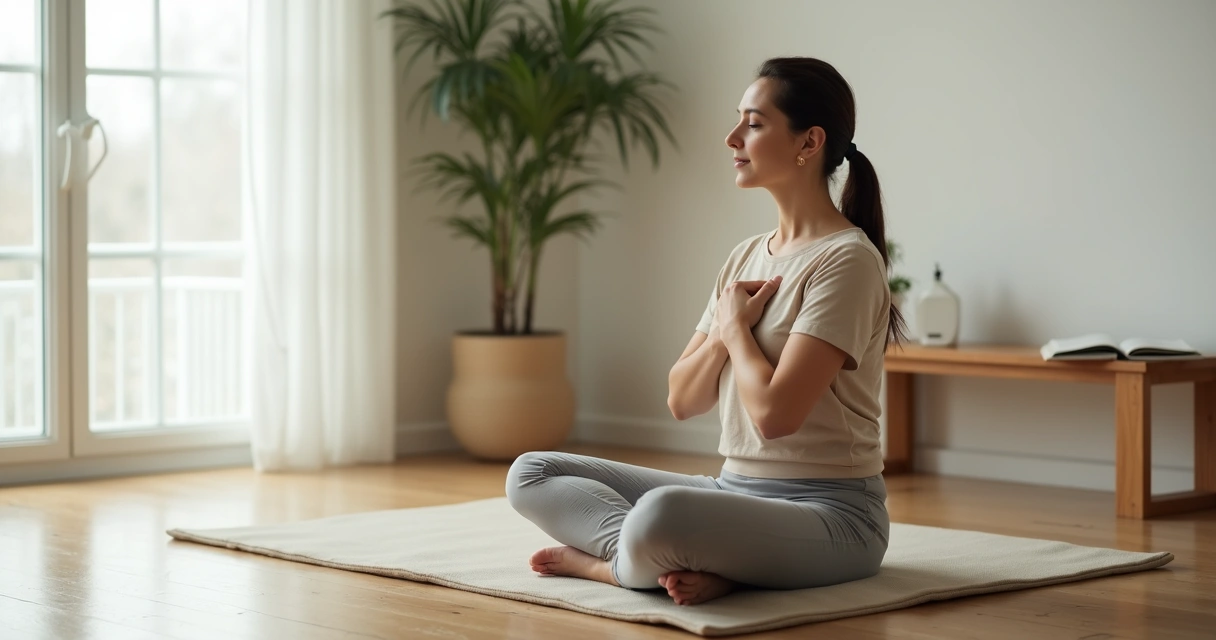
Before looking at a phone or getting out of bed, place one hand on the chest and one on the belly. Take five slow breaths and notice where the movement happens. If the chest is doing all the work, do not judge it. Just invite the belly to rise a little more with each inhale.
This ritual helps us meet the day before the day takes hold of us.
-
The doorway reset
Choose one doorway you pass through often, such as the office door, bedroom door, or front door. Each time you cross it, pause for one full inhale and one long exhale. Let the exhale be slightly longer than the inhale.
A ritual tied to a place is easier to keep than one tied only to memory.
-
The three-minute morning rhythm
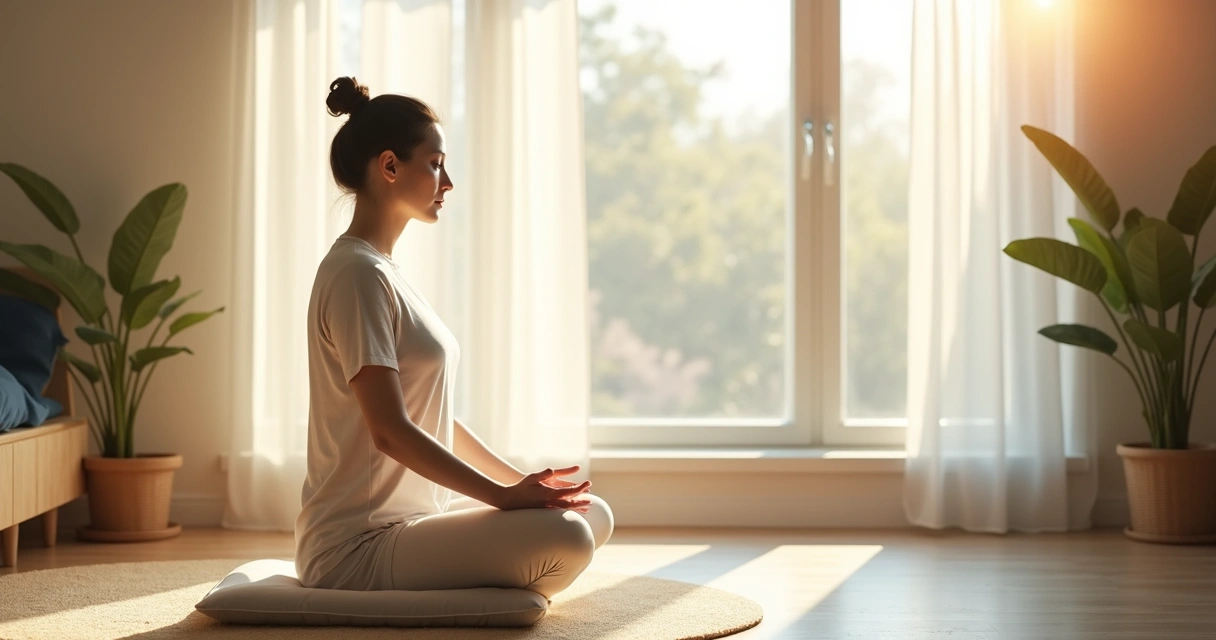
Sit upright and breathe at a slow, even pace for three minutes. A useful guide is around 6 to 10 breaths per minute, which aligns with slow-paced breathing commonly recommended for relaxation. We like to count four in and six out, but the pace can be gentle and natural.
This simple rhythm can make mornings feel less rushed and more directed.
-
The pause before speaking
We have seen how many hard conversations change when we breathe first. Before replying in a tense moment, inhale through the nose, then exhale slowly before speaking. Just one breath. That is enough.
It creates space between impulse and response. Sometimes that space saves the whole exchange.
-
The hand-on-heart evening release
At the end of the day, place a hand over the heart and breathe slowly for two minutes. With each exhale, silently name what you are ready to set down: pressure, regret, noise, hurry. Keep the words plain.
There is something human in this ritual. It feels simple because it is simple.
-
The walking breath count
During a short walk, count four steps on the inhale and six steps on the exhale. If that feels too long, shorten both counts. The point is not strain. The point is rhythm.
This can help when we feel mentally crowded and need movement without losing focus.
-
The journal and breath pair
Write one honest sentence about your current state. Then take five slow breaths before writing the next sentence. This pattern helps us notice what changes after a little space.
Breath can turn writing from reaction into reflection.
Not every ritual must feel deep or profound. Some work because they are plain and easy to repeat. That is often enough.
-
The midday shoulder release
At midday, inhale and gently lift the shoulders. Exhale and let them drop. Repeat five times. Then sit still for three more breaths. Many of us hold stress in the upper body without knowing it.
This ritual is brief, but it can interrupt a long stretch of tension.
-
The candle focus ritual
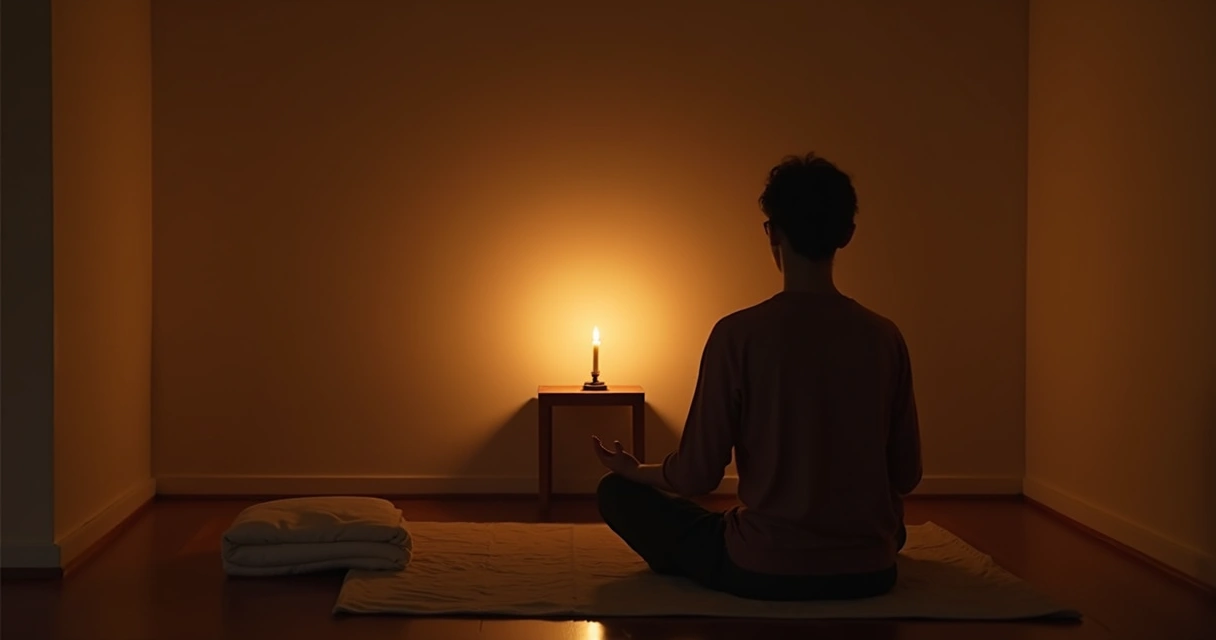
In the evening, sit in front of a candle or a still point on the wall. Breathe in through the nose and out through the nose for two to five minutes while keeping a soft gaze. If thoughts race, return to the flame and the next exhale.
We like this one because it trains steadiness without force.
-
The bedtime lengthened exhale
Lie down and inhale for a count of four. Exhale for a count of six or eight, if that feels comfortable. Continue for five rounds. Let the jaw loosen. Let the face soften.
This ritual tells the body that the day is ending.
How to make these rituals last
Personal change often fails when we ask too much of ourselves too soon. We think it is wiser to start with one ritual, not five. Keep it for a week. Then decide if you want another.
A few tips can help:
Tie the ritual to something you already do, like waking, walking, or turning off a light.
Keep the time short in the beginning, often two to five minutes is enough.
Choose comfort over effort, especially with longer exhales.
Track how you feel after, not just whether you completed it.
We have found that the real value is not in doing a ritual perfectly. It is in becoming easier to return to ourselves.
Conclusion
Change asks for repetition more than intensity. Breath-focused rituals give us a quiet structure for that repetition. They help us slow down, notice more, and respond with greater balance. Some days the effect feels obvious. On other days, it is subtle. Still, the practice leaves a trace.
If we stay with one simple ritual long enough, we may notice that our inner climate starts to shift. We become less scattered. Less reactive. More present. And from that place, change has a better chance to take root.
Frequently asked questions
What is a breath-focused ritual?
A breath-focused ritual is a repeated practice that uses conscious breathing to shape attention, emotion, or behavior. It can be as short as one minute and often happens at the same time each day or in the same setting.
How can breath rituals support change?
They support change by creating a pause between habit and choice. That pause can help us respond with more awareness, which makes new patterns easier to build over time.
Are breath rituals good for stress?
Yes, breath rituals can help lower stress by slowing the body and calming mental overactivity. Slow breathing, especially with a longer exhale, is often linked with relaxation and steadier emotional states.
How do I start a breath ritual?
Start with one small practice that fits naturally into your day. Pick a clear moment, such as waking up or sitting at night, and keep the ritual simple enough that you can repeat it without strain.
How long should each ritual take?
Most rituals can take between one and five minutes. Some can be longer, but short practice is often easier to maintain and still offers real support.