
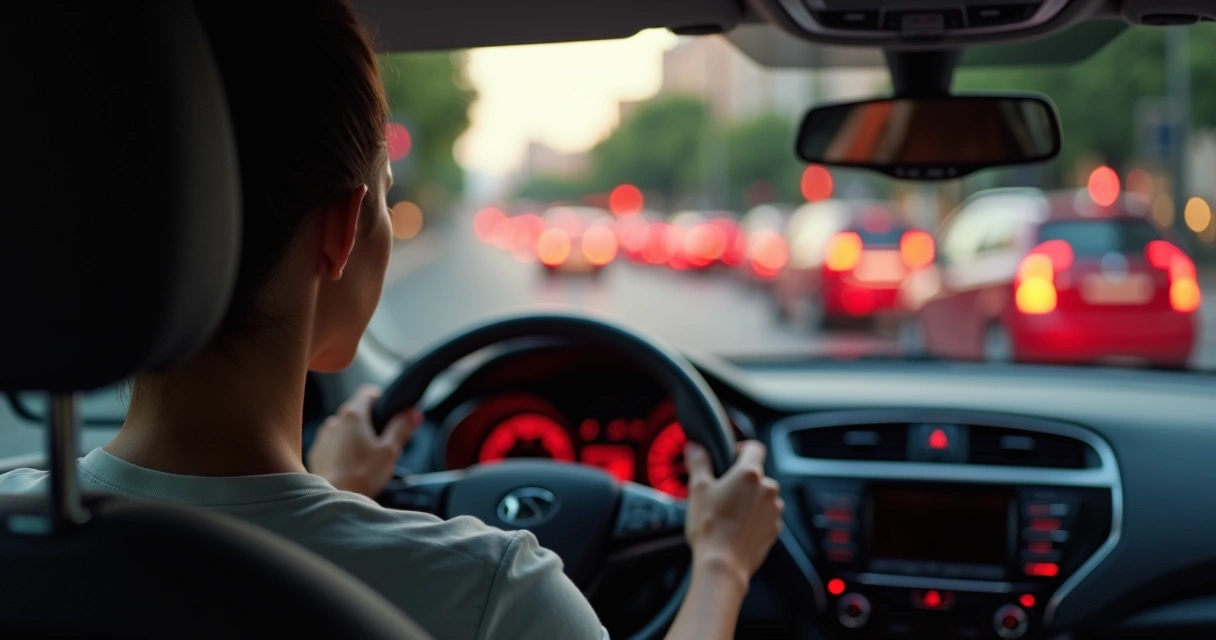
Traffic can change our mood in seconds. We leave home calm, then a late merge, a long red light, or a sudden horn pulls tension into the chest and jaw. We have felt it too. The body tightens before the mind even forms a clear thought.
Breath awareness gives us a fast way to notice stress before it turns into angry action.
In traffic, that matters. Driving asks for attention, timing, and restraint. When emotion rises too fast, we may tailgate, grip the wheel harder, or react to another driver as if every move were personal. It rarely is. Yet the body acts as if it is under threat.
Breath awareness is simple. We notice the breath as it is, without forcing it at first. Then, if the moment allows, we soften the exhale and let the body receive that message. Not a dramatic fix. A small reset. Sometimes that is enough.
Why traffic triggers us so easily
Traffic puts us in a strange state. We are still, yet we must stay alert. We want progress, yet we wait. We sit inside a private space, yet dozens of strangers affect our pace and safety. That mix creates friction.
We often react to traffic for three reasons:
We feel loss of control when roads slow down.
We read other drivers' actions as disrespect.
We carry stress from earlier parts of the day into the car.
Once stress enters the body, breathing tends to change. It becomes shallow, high in the chest, and less steady. Then emotion follows that pattern. We become shorter with our thoughts. More defensive. Less patient.
First the breath shifts. Then behavior follows.
This is why breath awareness works so well in traffic. It meets the reaction close to its physical starting point.
What breath awareness looks like behind the wheel
We are not talking about closing the eyes, deep meditations, or anything that distracts from driving. Breath awareness in traffic should be light, safe, and brief. The road stays first.
Safe breath awareness while driving means noticing the breath without taking attention away from the road.
In our experience, the most useful approach has three parts. We notice the inhale. We notice the exhale. We notice where tension sits in the body. That is enough to interrupt the emotional chain.
For example, imagine we are at a crowded intersection after a hard meeting. Another driver cuts in. The chest pulls tight. The hands press into the wheel. Before the inner argument grows, we name what is happening very quietly in the mind: "tight chest, fast breath, heat in the face." That short act of noticing creates space.
Then we let the next exhale become a little longer than the inhale. Not extreme. Just softer and slower.
What research suggests
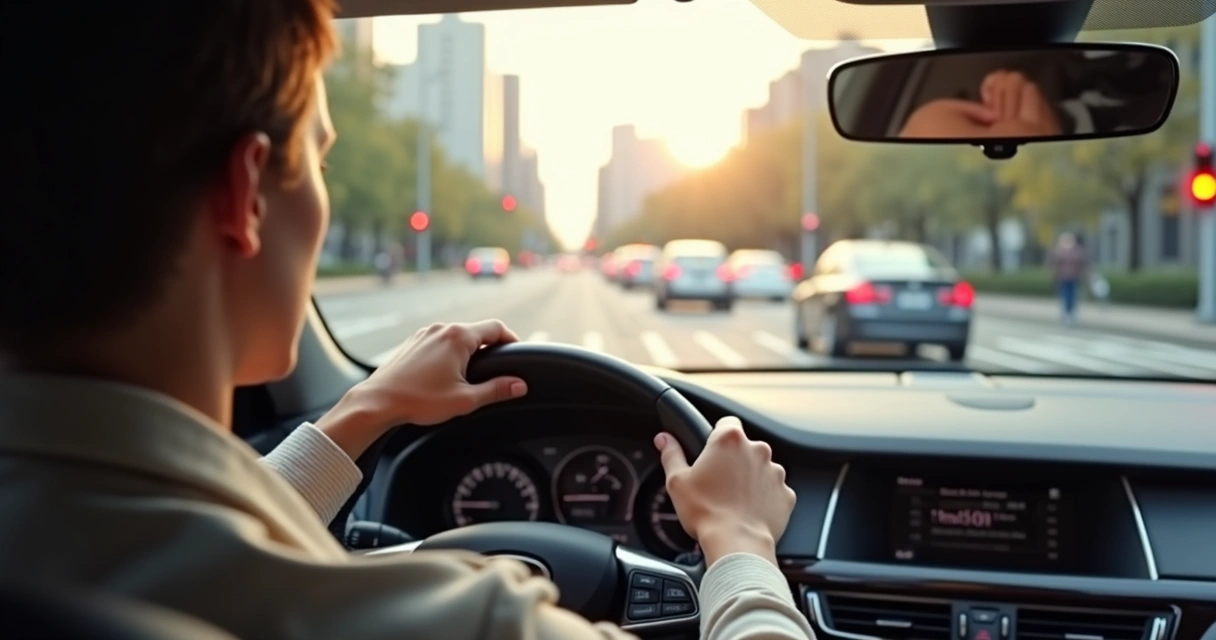
There is a useful point of caution here. Breath support during driving can help, but the form matters. In a simulated driving study on real-time auditory breathing guides, conscious guidance reduced breathing rate more than unconscious guidance, but it was also linked to more driving mistakes. Prior driving experience and personality shaped the results.
We think this tells us something practical. If a breathing method demands too much thought while we drive, it may compete with attention. So the goal is not to perform a technique perfectly. The goal is to steady ourselves in a way that keeps the road first.
Another set of car-simulator trials using multimodal breathing feedback found that cues such as sound, airflow, and visual signals helped lower breathing rate when it rose above a person's baseline. Participants also preferred combined auditory and airflow cues, which suggests that gentle, well-timed support may feel easier to follow than effortful self-monitoring alone.
The safest use of breath awareness in traffic is subtle, brief, and secondary to driving.
Simple ways to practice in real traffic
We do not need a perfect setting to begin. Red lights, slow queues, parking lots, and the first minute after entering the car all offer good moments.
These are practical methods we can use:
At the first red light, notice one full inhale and one full exhale without changing anything.
In stop-and-go traffic, relax the jaw on each exhale.
When irritation rises, lengthen only the exhale for three breaths.
After a horn or near miss, feel both hands on the wheel and return attention to the lower ribs moving.
Each one is small. That is why they work. They fit the moment instead of fighting it.
We have also noticed that a short phrase can help anchor the breath. Something like "arrive steady" or "slow exhale" can keep the mind from spinning into argument. Quiet words. Clean effect.
How breath changes emotional momentum
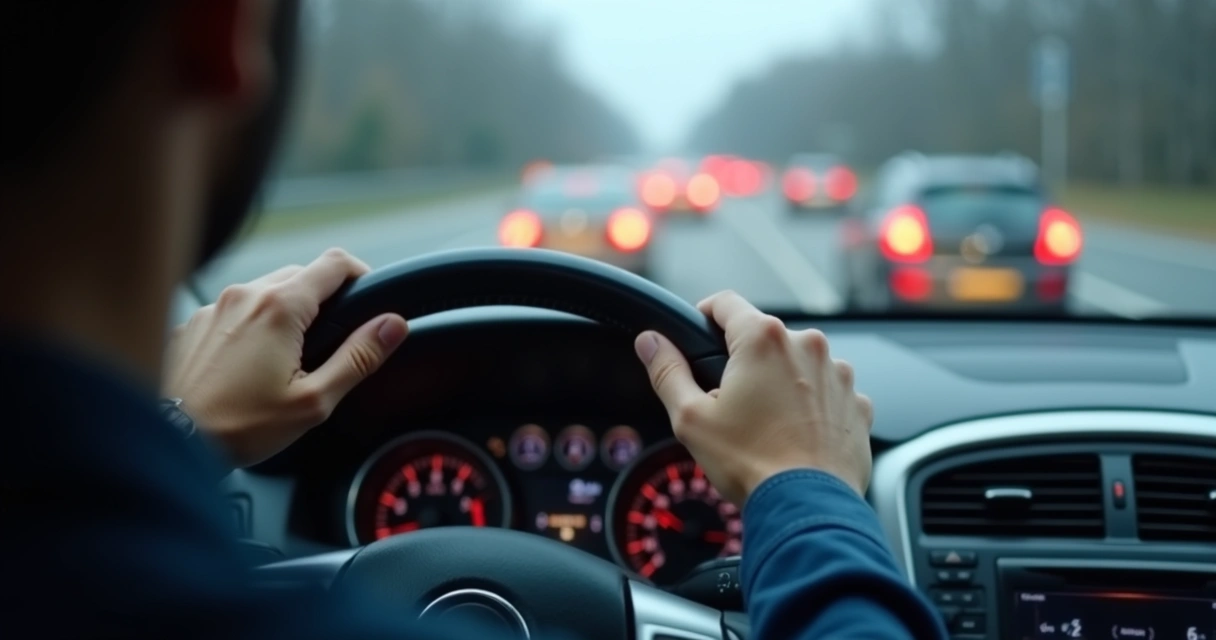
Emotional reactivity often feels instant, but it has stages. There is a trigger. Then body activation. Then mental story. Then action. Breath awareness enters between body activation and story.
If we catch the breath early, we often change what happens next:
The body receives a signal that not every delay is danger.
The mind has less force behind angry interpretations.
Our choices regain a little space and clarity.
This is not about becoming passive. If another driver behaves recklessly, we still protect ourselves and stay alert. Breath awareness does not remove judgment. It keeps judgment from being hijacked by heat.
A slower exhale can reduce the speed of an emotional reaction, even when the situation does not change.
Common mistakes to avoid
Some people try too hard at first. That can make the practice feel stiff or even increase tension. We have seen a few patterns that do not help:
Taking very large breaths that create dizziness or strain.
Focusing so much on technique that road attention drops.
Expecting calm at once and getting frustrated when stress remains.
It is better to think of breath awareness as a skill of return. We notice we were pulled away, and we come back. Again and again. Some drives will feel easy. Some will not. The practice still has value.
Conclusion
Traffic exposes our habits quickly. It shows how fast pressure enters the body and how fast meaning forms around it. Breath awareness gives us a grounded response in that narrow space before reaction hardens into behavior.
We do not need dramatic methods. We need usable ones. A noticed inhale. A softer exhale. A released jaw. A return to the present lane, the present light, the present moment. These small acts build steadier driving over time.
When we breathe with awareness in traffic, we do not control the road. We control our participation in the moment. That is where emotional maturity begins.
Frequently asked questions
What is breath awareness in traffic?
Breath awareness in traffic is the practice of noticing how we are breathing while driving, especially during stress. It usually means observing the inhale and exhale, relaxing obvious tension, and gently extending the exhale when safe. The point is to stay attentive to the road while reducing automatic emotional escalation.
How can breath awareness reduce road rage?
It can reduce road rage by interrupting the body's stress response before anger becomes action. When we notice shallow breathing, tight hands, or a clenched jaw, we can soften the breath and slow the reaction. This gives the mind more space to choose restraint instead of aggression.
Is breath awareness easy to practice daily?
Yes, if we keep it simple. Daily practice can begin with one breath at a red light, one slower exhale in a delay, or one body check before starting the car. Because it takes only a few seconds, it can fit naturally into regular driving without becoming a complex routine.
How long does breath awareness take to work?
Some people feel a shift within a few breaths, especially if the stress level is mild to moderate. The longer-term effect comes from repetition. When we practice often, the body learns to return to a steadier state more quickly during traffic stress.
Can breath awareness help with driving anxiety?
Yes, it can help by lowering physical tension and making anxious reactions easier to notice early. It does not remove every fear or solve every driving concern, but it can reduce chest tightness, rushed breathing, and mental spirals. For many people, that makes driving feel more manageable and less overwhelming.