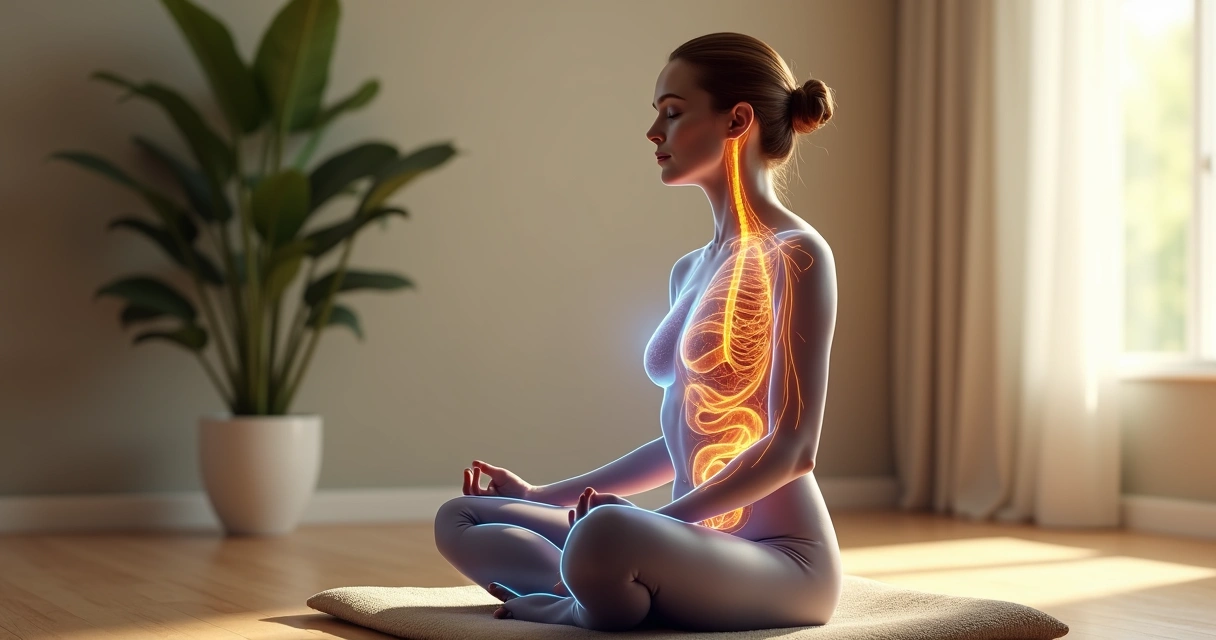

Physical pain often feels like a private world, hidden deep within our bodies, separate from our daily lives and routines. Yet, what if the key to understanding and easing this pain was hiding in plain sight? As we have seen through our studies and shared experiences, our breath could be more than just a simple act of survival. It could be a silent storyteller of our inner landscape, tightly connected to both physical and emotional pain.
How pain and breath connect in daily life
We all know breath. It is there, whether we pay attention or not. But most of us do not notice how breath and pain interact each moment. Think about the last time something hurt—a stubbed toe, a headache, or a tense shoulder from sitting too long. Did you stop and hold your breath for a moment? Many of us do, by instinct.
Breathing is more than oxygen in and carbon dioxide out. Our breath responds to what is happening inside and outside of us. It shortens when we feel afraid. It tightens when we brace for discomfort. It might even become erratic with stress or anticipation.
Every breath whispers the state of our body and mind.
When pain appears, we may clench, curl up, or tense. Our breathing changes. These shifts often happen out of awareness, until a deeper look reveals them. This is not just a minor detail. It may be the window into how our consciousness interacts with pain on a daily basis.
Why does pain change the way we breathe?
There are both physical and psychological reasons for this connection. Pain signals are sent by nerves to the brain, where they are processed and interpreted. At the same time, these signals can trigger emotional responses. Fear, meaning, memory, and context can all shape the experience. This is where breath enters the picture.
- When a threat is detected, the body prepares through the "fight or flight" response. The heart races. Muscles tense. Breath becomes fast and shallow.
- If the pain lingers, the brain may try to protect us by asking our body to hold still. This can slow breath and make muscles even tighter.
- The mind may focus on the pain area, which brings attention and tension there—and often shortens the breath in the process.
It becomes clear that pain can create a feedback loop: pain changes breath, the change in breath can increase muscle tension and lower oxygen, and these shifts might even make pain more noticeable or intense.
What changes in breath signal pain?
We can learn a lot by paying attention to how breath changes during pain. Some signs often include:
- Breathing from the chest rather than the belly
- Short, shallow inhales and fast exhales
- Pauses or holding the breath, especially during sharp pain
- Sighs, gasps, or irregular rhythms
- Decreased awareness of breath altogether
We have noticed that even mild pain can disrupt the natural flow of breath without us realizing it. These are more than habits—they are clues pointing toward the body’s attempt to cope or protect itself.
Consciousness and awareness: changing the relationship
Now, what happens when we shift from passive to active awareness? In our experience, the simple act of observing our breath, honestly and without judgment, sets off real changes. This brings us to the heart of the matter: consciousness is not just mental. It is embodied, anchored in sensation, feeling, movement, and breath.
When we experience pain, if we purposely bring our awareness to the breath, something subtle yet meaningful can happen. Instead of reacting, tensing, or shutting down, we can become present. This conscious awareness can gently interrupt the automatic spiral of tension and frustration. It is not about “thinking away” pain, but about being with it in a new way.
Awareness can soften pain’s grip.
The science behind breathing and pain
Research shows a clear relationship between conscious breathing and the body’s stress and pain signals. Deep, slow breathing can activate the parasympathetic nervous system—what many call “rest and digest.” When this system kicks in, the body relaxes. Muscles loosen. The mind clears. Some studies suggest that mindful breath control can change the way the brain perceives pain, reducing the sense of threat and lowering discomfort, even though the pain signal remains present.
Breathing techniques have been used for generations to support well-being and ease suffering in many cultures. Scientific studies add evidence to what tradition has long practiced: the breath is a bridge between body, feeling, and mind.
How can we use our breath as a clue?
If we want to discover what our breath reveals about pain, a few simple steps can help us start the observation:
- Choose a quiet space. Allow yourself a few minutes of undisturbed time.
- Notice your body. Is there tension, soreness, or pain? Where is it?
- Turn attention to the breath. Is it deep or shallow? Fast or slow? Where does it move—chest, belly, throat?
- Notice any automatic reactions—holding, gasping, or sighing—without trying to change anything.
- If comfortable, gently shift toward slower, deeper breaths. See if this changes the sensation of pain, even a little.
By including breath in our self-observation, we build space between the pain and our automatic response. This space can help us make thoughtful choices for comfort and well-being.

Practicing conscious breathing to ease pain
In our view, conscious breathing is not a cure for pain, but a tool for changing the way we relate to it. With practice, these steps can become part of daily life. Many people notice that the pain feels less overwhelming, or that they have more control over their response.
- When pain appears, pause and notice the breath rather than reacting instinctively.
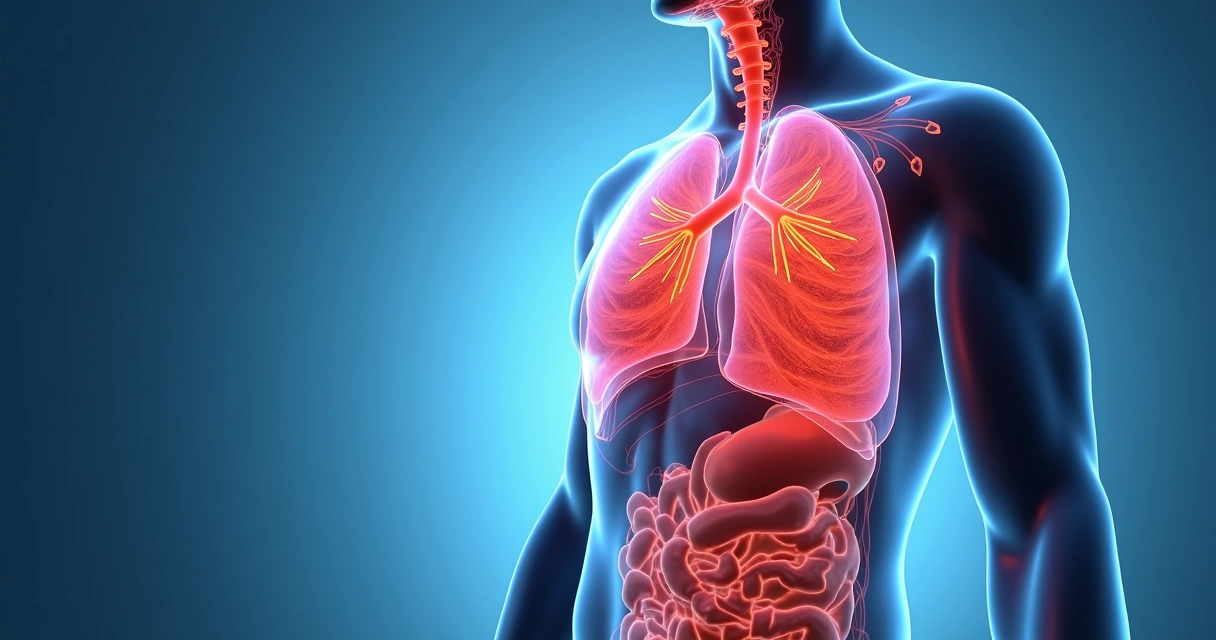
- If possible, slow the breath and let it fill the lower lungs. Feel the belly move rather than just the chest.
- Return the mind to the present, by anchoring in each breath. Notice sensations, but do not judge them.
- Allow thoughts and feelings about the pain to come and go, without letting them take over the whole experience.
Over time, many people find this simple practice gives them a sense of inner autonomy and calm presence even in discomfort. It is not about “defeating” the pain, but rather changing how we meet it.
Developing clarity and presence through breath
As we continue to learn about pain and consciousness, the role of breath becomes more clear. It offers a pathway from automatic reaction to thoughtful reflection. When we tune in, we start to recognize patterns: how stress changes breath, how pain pulls us inward, how a conscious pause can change our experience.
Personal stories often illustrate this shift. Someone with chronic back pain may discover that breath awareness helps during flare-ups. Others find that noticing their breath makes acute pain less scary or more manageable. There are no universal rules, but the pattern remains: where the breath goes, attention follows, and where attention lands, consciousness grows.
Within each breath, there is a small freedom—an option to choose presence instead of reaction.
Conclusion: is the breath a clue to pain?
We believe that the breath does more than sustain us. It is a messenger and a clue, revealing how pain, body, emotion, and consciousness come together. By bringing mindful attention to our breath, especially during pain, we open a window to self-understanding and new choices. It does not make pain disappear, but it can change the landscape, offering both relief and insight. In our shared search for clarity and balance, we trust the breath as both guide and companion.
Frequently asked questions
What is the link between breath and pain?
Breath and pain are connected through physiological and psychological pathways. When we feel pain, our nervous system often triggers changes in breath, such as holding, shallow breathing, or increased rate, as part of the body’s protective response. This change feeds back to the brain and can intensify the sense of discomfort.
How can breathing help manage pain?
Slower, deeper breathing can activate the body’s relaxation response, lower stress hormones, and reduce muscle tension. This does not eliminate pain, but it can shift perception, making sensations less distressing and easier to handle.
What signs show breath affects pain?
Signs include chest breathing, short or shallow breaths, breath holding, frequent sighs, and decreased awareness of normal breath flow during discomfort. Noticing these patterns can help us understand how our breathing and pain interact.
Is conscious breathing worth trying for pain?
Yes, many people gain some relief or a sense of control with conscious breathing, especially as part of their daily self-care. It is a gentle tool that carries little risk and is easy to adjust according to personal comfort and needs.
How do I use breath for pain relief?
Start by noticing your breath when you feel pain. Shift to slower, deeper abdominal breathing if possible. Stay present with the breath and allow yourself to observe the pain without judgment. Repeat as often as needed—consistency helps build the habit and its benefits.