Breathing is something we all do without thinking. Yet, the way we breathe deeply affects our minds and bodies. Many of us go through our daily routines unaware of shallow breaths, fast breathing, or holding our breath in stressful moments. What if we could see the way we breathe? What if we had tools to guide and train our breath, bringing it back under conscious control?
Biofeedback for breath training offers exactly that. With a gentle nudge from technology and self-awareness, it is possible to learn how to shift habits, support our well-being, and explore the power that conscious breathing provides.
Understanding biofeedback: what happens when we observe ourselves?
Biofeedback is a process where we use instruments to measure and display information about our bodily processes in real time. In simple terms, it is a mirror that allows us to see inside ourselves. By observing our own patterns, we can learn to change them, one moment at a time.
Seeing is the first step to changing.
When it comes to breathing, biofeedback makes the invisible, visible. Sensors can show how quickly we breathe, the depth of each breath, and even how our heart responds. The results are often surprising, we may find that daily stressors raise our breathing rate or that holding our breath happens more than we realize.
- Increases self-awareness
- Creates a connection between inner state and outer feedback
- Teaches us that breath can be shaped and trained
Biofeedback is not about fixing something broken, but about discovering new ways to engage with our own bodies and minds.
How does breath training with biofeedback work?
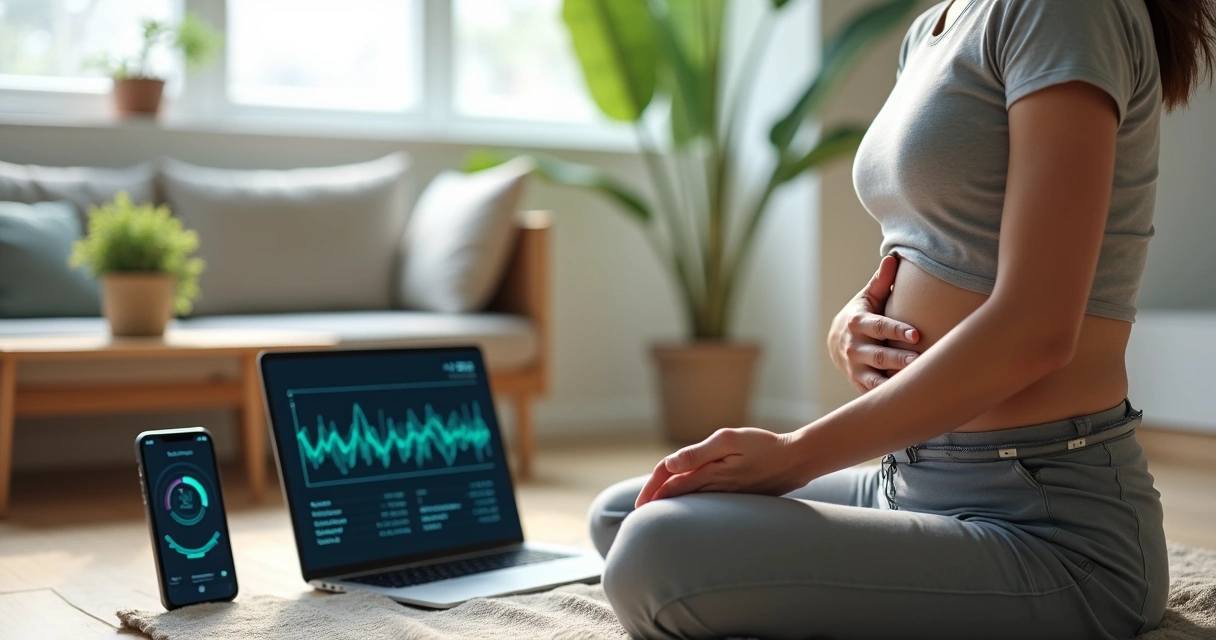
To begin with, biofeedback breath training usually means working with a device or software that monitors your breathing. Most often, a small sensor is placed on the chest, abdomen, or finger. This sensor tracks details like breath rate, breath depth, or related measures such as heart rate variability.
What happens next is simple, but profound. As we watch our own breath on a screen, the feedback helps us identify patterns. For example, a trainee might notice their breaths are short and rapid. Guided by gentle prompts, the person tries to slow and deepen each breath, and sees the effect on the display in real time.
- Slowing breathing can lead to slower heartbeats
- Deeper breaths can reduce feelings of tension
- Learning happens through feedback, not guesswork
The real magic lies in connecting conscious intention with biological response. We see, we adjust, and our bodies respond right away.
First steps: getting started with biofeedback breath training
Biofeedback breath training is easier to begin than many expect. While advanced systems exist, even basic devices or smartphone apps can guide your first sessions. What matters is not just the technology, but the willingness to observe ourselves with curiosity and patience.
To start:
- Select a quiet, comfortable space where distractions are minimal.
- Sit or lie down so that you feel safe and supported.
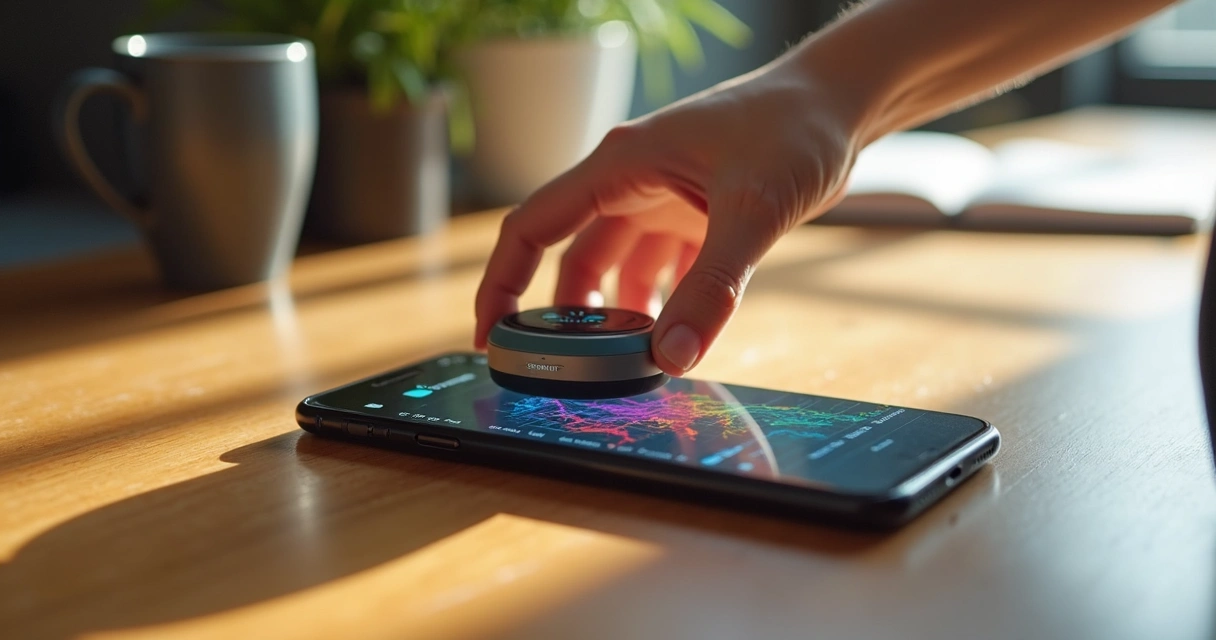
- Attach the biofeedback sensor according to your device’s instructions, or use a guided breathing app if you do not have dedicated equipment.
- Watch your breath pattern on the screen, noticing pace, depth, and rhythm. Do not try to change anything at first; just watch and learn.
The process can feel unfamiliar, even awkward. As we observe, many feelings can arise, surprise, curiosity, even frustration at first. That is all part of the first learning step. In our experience, patience with ourselves is key.
Core benefits of breath biofeedback
Why spend time training breath with biofeedback? Over years of research and observation, we have seen that real-time feedback provides benefits not only for physical health, but also for mental clarity and emotional balance.
- Self-awareness grows quickly. Watching your own breath builds confidence in making mindful changes.
- Biofeedback demystifies the connection between mind and body.
- Breathe training can reduce symptoms linked to stress, such as feeling tense or tired.
- Simple practices can help improve sleep, focus, and calm.
- Learning to shift breathing patterns supports emotional self-regulation, especially in stressful moments.
Small breaths, big changes.
As we guide others in biofeedback practice, we notice that the sense of control and calm extends far beyond the training session itself. The awareness gained is portable, available anytime, at work, during daily routines, or even before sleep.
Common challenges and how to address them
No learning happens in a straight line. Many of us meet frustration or impatience at first, especially when the feedback display does not match our expectations or intentions. Here’s how we encourage new trainees to stay the course:
- Approach the feedback as information, not judgment.
- View “mistakes” as guides showing where practice is needed.
- Celebrate small shifts, such as one slower or deeper breath.
- Practice at regular times, but do not force yourself into long sessions, even five minutes daily can make a difference.
- Consider journaling feelings and sensations before and after each session, to track subtle changes over time.
We often remind people to treat themselves like they would a beginner friend, with kindness, patience, and encouragement. If stress or anxiety arises, returning to a natural breath and observing without expectation can gently bring stability back.
Integrating breath biofeedback into daily life
Once the basics feel familiar, breath training shifts from a “practice” to an integral part of life. We have observed that the real transformation occurs when feedback supports daily routines, decision-making, and self-regulation in demanding moments.

Here are ways to make this approach part of your day:
- Start the morning by watching your breathing for two minutes before other activities.
- Use a quick check-in with your breath biofeedback tool before important meetings or calls—grounding yourself in clarity.
- At stressful times, pause to notice and gently guide your breathing, using your internal “biofeedback” even if a device is not present.
- Use calming breath practices at night, when winding down before sleep.
Over time, the skill of conscious, regulated breathing can become as natural as walking or speaking.
The journey from observer to participant
Biofeedback breath training opens a window into the connection between mind, body, and breath. Our experience shows that when people are offered visible proof of their own inner landscape, self-understanding expands. What starts as observation can shift, over time, toward deep participation in the rhythms that shape our lives.
It is often said by those who practice:
Breathe in awareness. Breathe out discovery.
By starting with curiosity and gentleness, we can make conscious breathing a supportive companion in our daily journey.
Frequently asked questions
What is biofeedback breath training?
Biofeedback breath training is a method where we use technology to observe, measure, and guide our breathing in real time. Through sensors and a display—often on a screen—we can see details like breath rate and depth, then make gentle adjustments based on what we observe. As we practice, it becomes easier to shape our breathing patterns for calm, focus, or relaxation.
How does biofeedback help my breathing?
Biofeedback helps breathing by making unconscious patterns visible, so we can adjust them intentionally. For example, if we see on the screen that we breathe quickly during stress, we can use those observations to practice slower, deeper breaths. Over time, the feedback supports new habits and greater self-awareness, which can translate into less stress and a greater sense of control.
What equipment do I need for biofeedback?
To begin, we usually suggest a simple breath biofeedback device or a smartphone app with a sensor. Devices can track the breath rate, depth, or related signals like heart rate variability. Many can connect wirelessly to a phone or computer. While advanced systems exist, it is possible to train with an entry-level setup if you are curious but not ready to invest in more specialized tools.
Is breath training with biofeedback worth it?
Our research and experiences indicate that breath training with biofeedback can bring many benefits. Those include increased self-awareness, improved stress management, better sleep, and enhanced emotional regulation. It is a skill that accumulates over time, and the benefits often reach far beyond the training session itself into daily routines and challenging moments.
Where can I learn breath biofeedback?
There are many resources available, ranging from self-guided sessions with apps or devices, to professional guidance offered by trained instructors in health or wellness settings. Exploring local health centers, mind-body practices, or online resources can be a good way to find breath biofeedback options that suit your needs. Start with curiosity, and choose the path that fits both your goals and comfort level.