
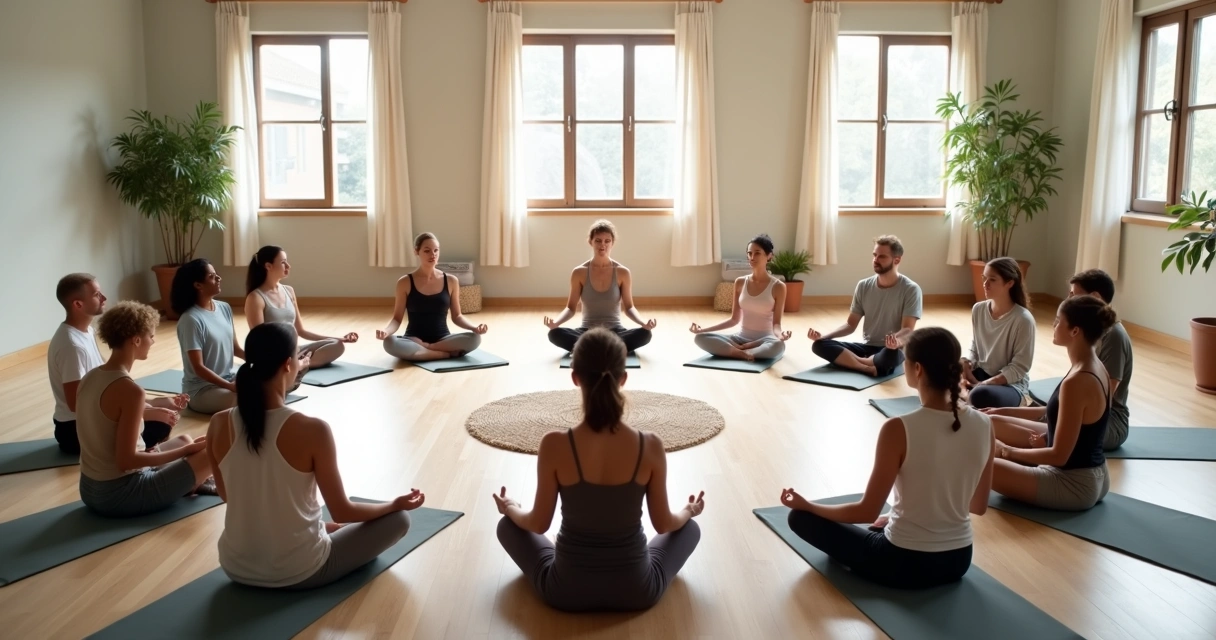
If we take a moment to pay attention, we notice something about breathing: while it is a personal act, it also connects us. In silent rooms or lively gatherings, our breath responds, adapts, and often finds a rhythm with those around us. This simple observation is at the heart of group breathwork. In recent years, we have witnessed a growing interest in coming together to breathe with purpose, to seek presence, and to unlock new layers of self-awareness. In this article, we explain how group breathwork works, what happens during these sessions, and why many report real and lasting changes.
How group breathwork sessions unfold
When we gather for breathwork as a group, the session usually follows a sequence that builds trust and opens space for discovery. While each gathering may be unique, we notice a common flow that supports both beginners and experienced participants.
- Welcome and grounding: Most sessions begin with a gentle introduction, where everyone settles in, leaves distractions behind, and enters a shared space of intention.
- Guided breathing: A facilitator may demonstrate and guide specific breathing techniques, often chosen to suit the group’s energy and needs.
- Shared rhythm: As the group finds a pace, participants begin to sense the collective breath, setting up the session’s unique atmosphere.
- Release and integration: The main phase often leads to moments of deep release—emotional, mental, or even physical—followed by calm integration as the session winds down.
By following this flow, we have witnessed how group breathwork moves participants from individual tension to shared calm and, at times, even to quiet celebration of presence.
Why do people practice group breathwork?
People come to group breathwork for a wide range of reasons. As we see it, these reasons usually center on a few basic human needs: to feel connected, to understand one’s own interior, and to set life down—if only for an hour or two—to simply breathe. Some common reasons include:
- A wish to break free from lingering stress or anxiety
- Curiosity about mindfulness and breath as tools for self-discovery
- Seeking support with life changes or emotional wounds
- A desire for community and shared experience
Each group experiences its own chemistry. An introvert at their first session might arrive nervous and leave surprised by the gentle sense of inclusion. Others might return week after week as part of their personal practice. What unites all participants is the breath itself—both anchor and guide.
The group dynamic: What really happens?
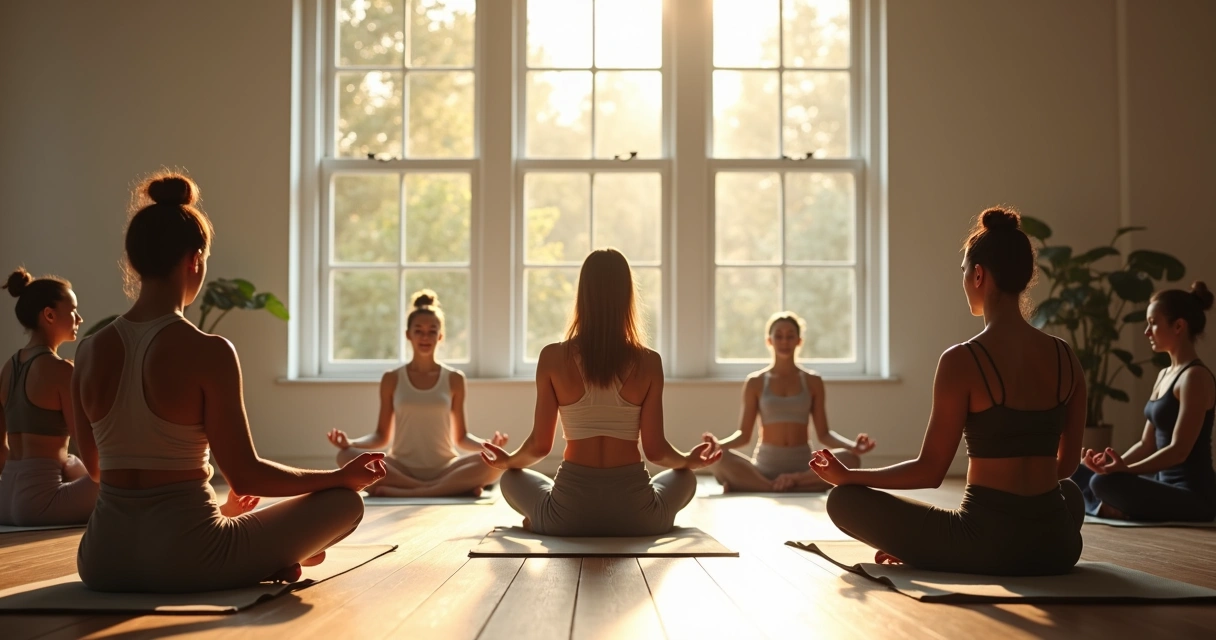
Something interesting happens when we gather with others to focus on breathing. While each person brings their personal story, the shared intention creates an environment where barriers fade. Through our observation and feedback, we notice three unique things happen again and again:
We breathe alone, but presence grows in company.
- Shared energy: As breathing synchronizes, there is a sense of collective momentum. Many describe feeling both supported and liberated by the steady rhythm of those beside them.
- Emotional safety: The group acts as a container for emotion. Laughter, tears, calm, or even restlessness—it is all allowed. In a safe group, each person’s process is held with respect.
- Mirroring and learning: Observing others can help us reflect. When someone releases a deep sigh, it invites us to do the same. These small cues help everyone tune in to themselves.
Feedback after sessions often includes stories of connection. We have seen strangers who share almost nothing in common sit in silent understanding, connected by the simple act of breathing with awareness.
Practical benefits of group breathwork
The practical effects of regular group breathwork are not just felt in the session—they often ripple outward into daily life. Based on reports and our experiences, here are some of the most noticed benefits:
- Better awareness of one’s breath, leading to calmer reactions in stressful situations
- Improved sleep and rest, with some participants falling asleep faster or waking more refreshed
- A reduction in racing thoughts or persistent anxiety, often noticed after multiple sessions
- Deeper connection with one’s emotions and greater ease in expressing them
- More meaningful connections with others, even outside the group
These shifts do not happen overnight for everyone. But we have found that the group environment can accelerate the process, especially with regular participation. Sometimes, just knowing others are alongside us is enough to make real change feel possible.
Who guides group breathwork?
Usually, we practice group breathwork with a trained facilitator or guide. This person creates a safe environment, explains what will happen, and responds to the needs of the group as they arise. Their presence is not about control but rather about keeping the space gentle and supportive.
A skilled facilitator can adapt techniques during the session, making sure everyone feels included and respected. They might shift to gentler methods if tension rises or introduce moments of silence to allow personal reflection. This support is one reason why many prefer the group format for their breathwork journey.
Preparing for your first group breathwork experience
Being prepared helps participants arrive with trust and openness. In our experience, a few simple steps can make a big difference:
- Wear comfortable clothes that allow you to breathe easily
- Arrive a few minutes early to adjust, relax, and set a personal intention
- Let the facilitator know if you are nervous or have health conditions that might impact your experience
- Allow yourself to observe—there is no right or wrong way to breathe
Most participants report that the group’s gentle acceptance helps dissolve fears quickly. There is no need to “perform.” The group stands together on equal ground: breathing, feeling, learning.
What to expect after a group breathwork session
The effects of group breathwork can linger. It is common to leave feeling lighter, calmer, or even surprised by what surfaced. Some participants will feel energized, while others crave rest. The most helpful practice is to give yourself some quiet time to notice any shifts or changes—both subtle and clear.
Sometimes, emotions may rise unexpectedly. We encourage participants to approach these moments with gentleness, maybe journaling or talking with a trusted friend. With time, these experiences help build emotional resilience and steady presence.
Conclusion: The quiet power of breathing together
We have learned that group breathwork is more than coordinated breathing. It is a coming together—to pause the noise, to listen inward, and to share the ancient act of breathing as community. By joining in this practice, we nurture both our sense of self and our bond with others. When we breathe together, we discover a quiet yet strong source of presence and clarity that can support us in the wider world.
Frequently asked questions
What is group breathwork?
Group breathwork is a guided practice where several people come together to focus on conscious breathing techniques, usually led by a facilitator, in a shared environment. The aim is to support awareness, presence, and wellbeing through the power of group intention.
How does group breathwork work?
During a typical session, participants are guided through structured breathing patterns, often in a circle or shared space, with the group’s rhythm helping to create a sense of unity and safety. This process helps participants become more aware of their breath and emotions, often leading to moments of insight or release.
What are the benefits of group breathwork?
People report feeling calmer, sleeping better, having better focus, and connecting more deeply with their emotions and others. The group setting adds extra support, helping participants feel safe to explore and process whatever arises in their experience.
Is group breathwork safe for everyone?
Most people can safely join group breathwork, but it is wise to consult with a health or mental health professional if you have certain medical conditions (like heart or respiratory issues) or trauma history. Always inform the facilitator of your situation before the session. Listening to your body during the practice is key for safety and comfort.
Where can I join a group breathwork session?
Breathwork sessions can be found in many communities, wellness centers, or online platforms. To find a session near you, search for local wellness or meditation spaces and check their schedules for group breathwork offerings.