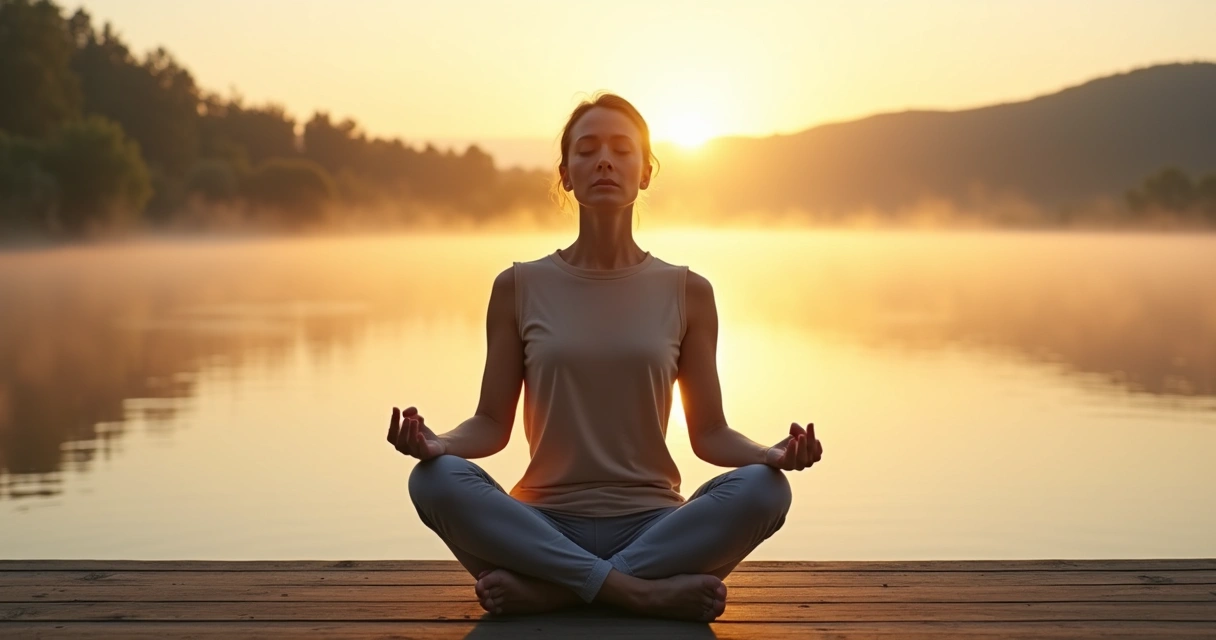
Breathing is something we do every moment, yet when we slow it down, new layers of awareness and wellbeing often reveal themselves. In our experience, people rarely pause to pay attention to their breath—until a moment of stress, excitement, or calmness brings it into focus. Here, we want to bring you closer to how slow breathing works and what it can offer, not just for your body, but for your mind and emotional state as well.
Why slow breathing matters for more than relaxation
Slow breathing rarely gets the attention it deserves. When we breathe at a calmer, more measured pace, there is more going on than just relaxation. Slower breaths can help us connect to our surroundings, bring composure to our busy lives, and invite a sense of steadiness even during uncertainty.
The biggest shift we notice when slowing our breathing, even for just a minute, is a sense of control and present awareness. For many, this simple act feels like pressing a reset button during a fast-paced day.
We have seen in research and practice that people who use slow breath techniques regularly tend to be:
- More in tune with physical sensations
- Quicker to notice when emotions start to change
- Better equipped to respond calmly under pressure
Let’s look deeper into the science and the meaningful benefits slow breathing can bring.
The body’s response to slow breathing
When we slow our breath, our physiology responds almost immediately. Heart rate can decrease, muscles relax, and levels of stress hormones like cortisol may drop. That’s not all—studies suggest that slow, deep breathing engages the parasympathetic nervous system, sometimes called the ‘rest and digest’ system.
This is your body’s way of telling you: You are safe.
Here are some ways slow breathing impacts the body:
- Lower blood pressure. Slower breaths can help keep blood vessels relaxed, making it easier for blood to flow.
- Improved lung function. By fully emptying and filling the lungs, we support clearer airways and better oxygen exchange.
- Reduced muscle tension. Tightness in the shoulders, jaw, and neck can start to fade as the body feels calm.
- Stabilized heart rate. Variability in heartbeats lessens, which is good for long-term health.
In our experience, even brief sessions of slow breathing bring a quick sense of relief from aches caused by physical and emotional strain. The body remembers that it can relax, and that message spreads quickly from head to toe.
How slow breathing shapes mental and emotional wellbeing
Much is said about the state of our minds, but rarely do we link calm thinking and emotional clarity to the way we breathe. We have seen that slow breathing isn’t merely a stress reducer – it is a tool for emotional clarity and mental balance.
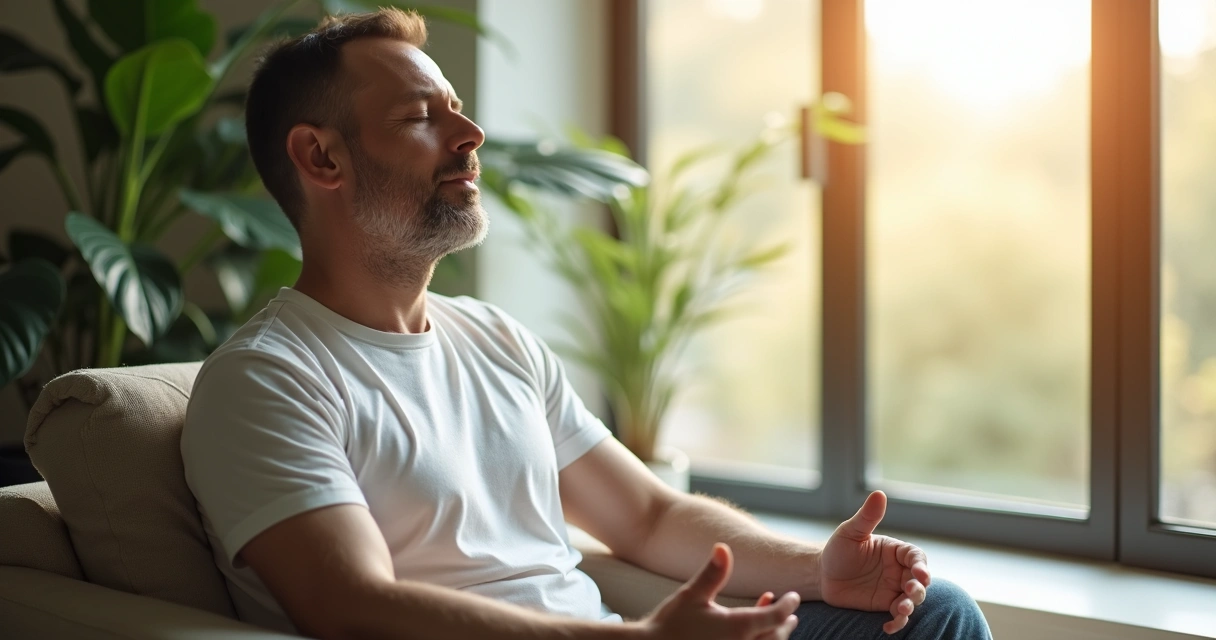
How does this actually work?
- With slower breath, the mind gets a break from racing thoughts. Space appears for fresh ideas and perspective.
- Anxieties, which often feel overwhelming, lose their grip as calmness grows from the inside out.
- We become more sensitive to subtle shifts in our own feelings, making mature, reasoned responses feel more possible.
These are more than side effects—they are the direct result of an internal shift that starts with the breath. In our conversations with many people, slow breathing often marks a turning point between feeling lost in emotions and observing those feelings from a more balanced space.
Practical uses: Slow breathing in daily moments
It can be easy to think slow breathing belongs in yoga studios, therapy rooms, or the quiet of early mornings. But we see its greatest value when it becomes part of everyday life, right where the challenges are. For example:
- Before an important meeting: A few minutes of slow, steady breaths can ground you and boost confidence.
- During family conflict: Taking a breath break can help you avoid saying something in haste.
- While commuting: Even in a noisy space, slow breathing can create a sense of inner privacy and composure.
- For better sleep: A routine of slow breath at bedtime may help the mind wind down.
- Managing pain or discomfort: Using slow breath to ride out physical sensation supports resilience.
What stands out for us most is the adaptability. There’s no strict rule about where or when to use this practice—only that it fits naturally into real moments, big and small. And the result, time after time, is a greater sense of agency in day-to-day living.
Getting started with a slow breathing routine
For anyone curious about slow breathing, starting can be as simple as counting out a longer exhale. Here is a basic routine we recommend for beginners:
- Sit or stand comfortably, with your feet grounded.
- Close your eyes or lower your gaze.
- Inhale through your nose for a count of 4.
- Pause gently at the top of the breath for 1-2 counts.
- Exhale slowly through your mouth for a count of 6.
- Repeat for several breaths, or for as long as feels helpful.
If this feels awkward at first, that’s natural. We find that, with a little practice, the rhythm becomes familiar and brings a quicker sense of calm each time it’s used.
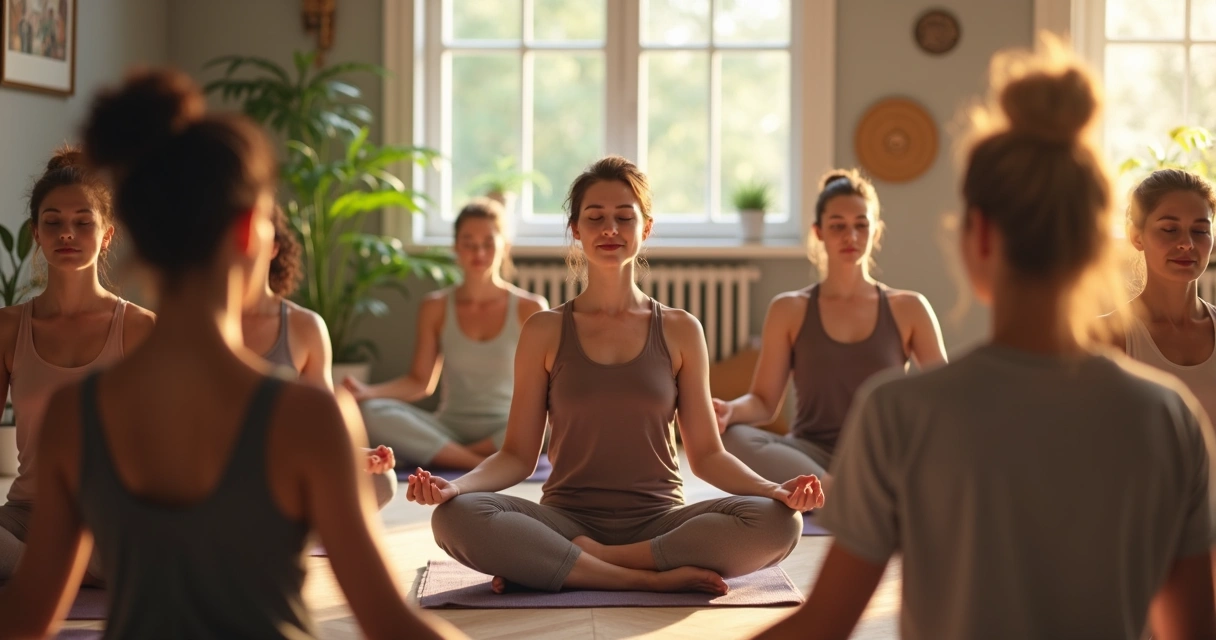
Beyond stress: Surprising benefits we notice
While most people start slow breathing to handle stress, many report other changes over time:
- Deeper sleep and fewer awakenings
- Greater patience when things go wrong
- Sharper focus during work or study tasks
- Stronger immune response, thanks to reduced inflammation
Slow breathing is not just an emergency tool, but a healthy habit worth building for life. In our view, its true strength shows the longer it’s practiced.
Conclusion: A small change with a real impact
In all our experience, the message is simple: slowing our breath gives space for a better day. It brings the body and mind into a friendlier rhythm with life as it is, right now. This is not magic or wishful thinking—it’s a physical, emotional, and mental shift that happens each time you give yourself the chance to slow down.
Whether you are new to slow breathing or have used it for years, we believe the real secret is in the regular, gentle act of returning attention to the breath. Whenever you need a safe, steady place to begin again, your breath is always there.
Frequently asked questions
What is slow breathing?
Slow breathing means intentionally reducing your breathing rate, usually to about six to ten breaths per minute. This technique involves breathing deeply and deliberately, with long exhalations, in a calm and relaxed manner. The goal is to create a steady, relaxed rhythm rather than forcing the breath or breathing too shallowly.
How does slow breathing help health?
When practiced regularly, slow breathing can support heart health, reduce high blood pressure, and decrease overall tension. It activates the body's natural calming systems, which helps regulate nervous system activity. This may lead to lower stress, better mood, and a stronger sense of wellbeing over time.
How can I practice slow breathing?
We suggest finding a few minutes when you can sit quietly. Begin by inhaling through your nose for a slow count of four, pausing softly at the top, and then exhaling for six counts through your mouth. Repeat this for several breaths. With regular practice, this will begin to feel natural and more effective.
Is slow breathing good for anxiety?
Yes, slow breathing is often helpful for easing anxiety and calming racing thoughts. By shifting attention away from worries and into the breath, you can gently signal to your body and mind that it is safe to relax. Many people report a soothing effect within just a few minutes of mindful, slow breathing.
How often should I do slow breathing?
There is no required frequency. Many people benefit from daily practice, even if only for a few minutes. You can use slow breathing whenever you feel tense, before sleep, or as a regular morning or evening ritual. What matters most is consistency and finding what fits your routine and needs best.