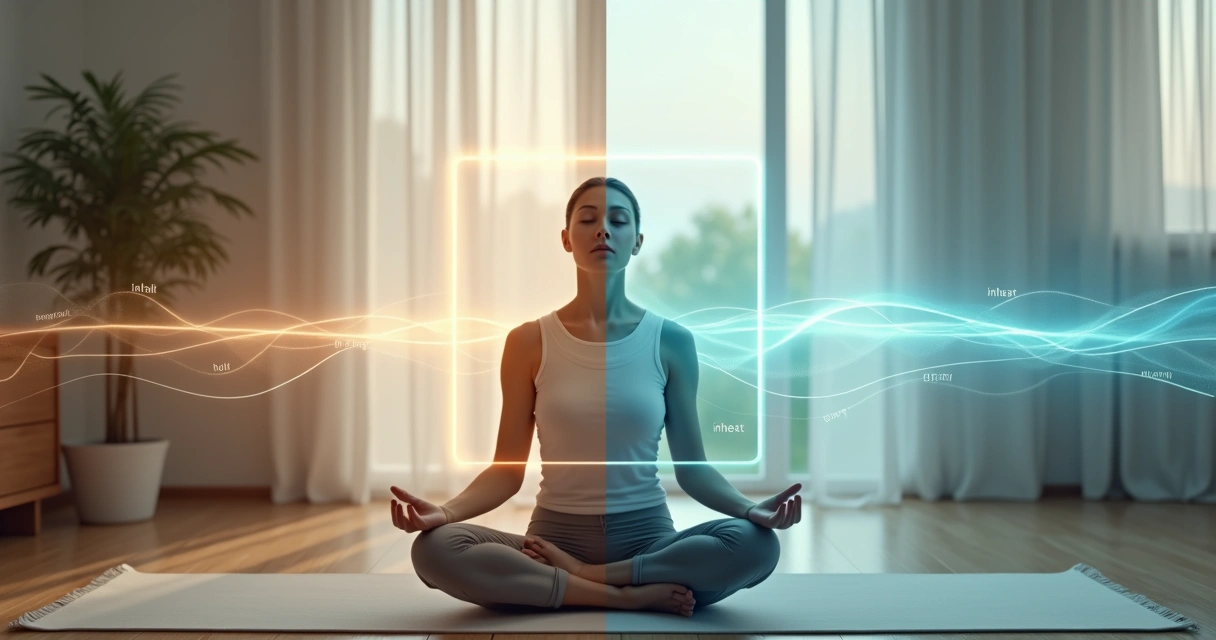
Breathwork is one of the most direct pathways to conscious presence. At Daily Breathing Guide, we consider structured breathing a simple yet profound way to shape our emotional landscape, reset our minds, and invite balance. But which breathwork techniques make the most sense for those seeking clarity and self-regulation? Today, we compare two of the most widely practiced methods: box breathing and coherence breathing.
What breathwork really aims to do
Before we get into details, let’s pause. Why do so many cultures and disciplines focus on breathing? Because our breath sits at the intersection of body, mind, and emotion.
- It impacts heart rate
- It influences brain function
- It shapes our sense of calm or alertness
- It is always accessible
When we craft a conscious connection to our breath, we also imprint new habits on our nervous system. This is central to what we teach at Daily Breathing Guide. Box breathing and coherence both work with this idea, but have different origins, styles, and effects.
Box breathing: The four-part rhythm
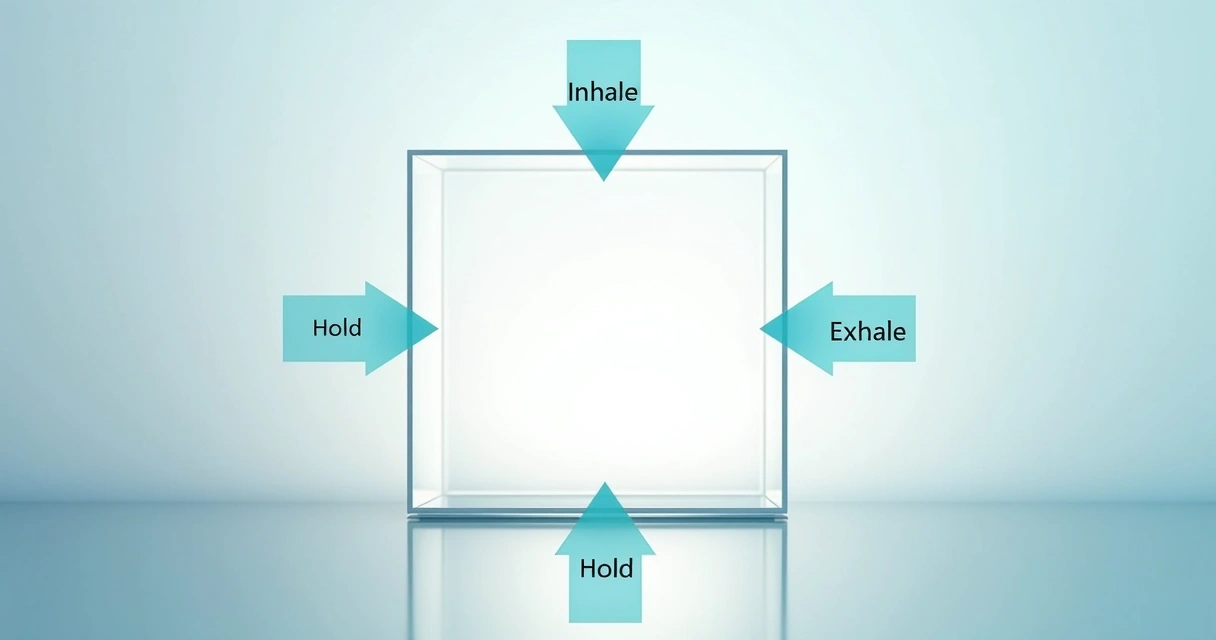
Box breathing, sometimes called four-square breathing, breaks the breathing cycle into four equal parts. This method builds regularity and gives the mind a clear structure to follow. It is grounded in the idea of balanced pacing, often used in high-stress professions to regain focus.
Structured breath, structured mind.
Let’s make it practical by describing one “box”:
- Inhale for a slow count of 4.
- Hold the breath for 4.
- Exhale for 4.
- Hold the breath out for 4.
This 4-4-4-4 rhythm can be shifted to suit comfort (try 3 or 5 seconds per side), but the power is in the box shape—each side equal, each part deliberate. In our research and with feedback from our readers, we have observed several core effects:
- Slows down racing thoughts
- Brings attention inward
- Regulates the breath pattern in moments of anxiety
- Provides a mental anchor in unpredictable situations
Box breathing often becomes a mini-ritual—for example, in a stressful meeting, waiting in line, or before making a difficult call. The shape invites predictability and gently breaks cycles of mental rumination.
Coherence breathing: The heart-mind connection
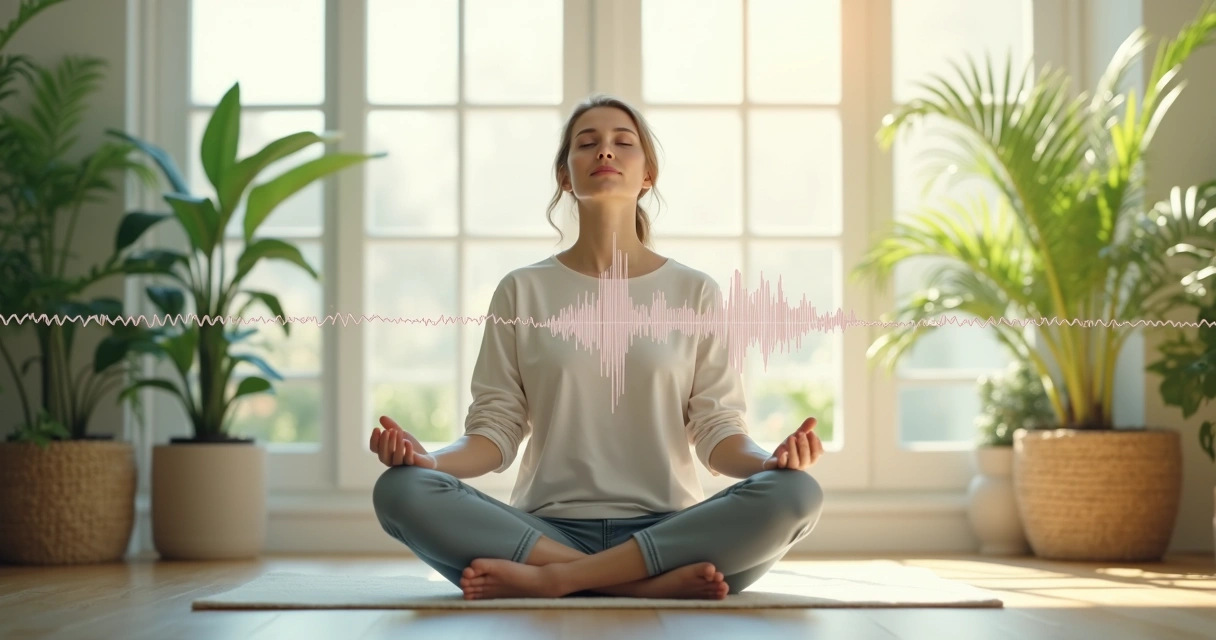
Coherence breathing is a gentle, paced breathing method, usually in a 5-second inhale and 5-second exhale pattern, with no breath holding. The aim is to foster synchrony between the heart and the brain. We find this method leans into smoothness rather than segmentation.
Breathe, and let your inner clock synchronize.
Coherence breathing focuses on continuous, even breaths that feel natural and flowing. Instead of holding or pausing, the breath moves in and out at an even, measured pace. Here is a common pattern:
- Inhale for 5 seconds
- Exhale for 5 seconds
- Repeat without pausing, for several minutes
From the perspective of Daily Breathing Guide, this form invites us to return to a steady “neutral” that our body remembers from a state of calm. Some reported effects include:
- Reduced heart rate variability (a sign of physiological balance)
- Greater emotional steadiness
- An increased sense of connection to one’s body
- Ease in moving from reactive to responsive states
What makes coherence breathing special is its underlying focus on balance—not just in breath, but also in the collaborative rhythm between cardiac and neural systems. It is often described as bringing a wave of quiet alertness.
Comparing effects: Moment vs. flow
At first glance, box breathing and coherence breathing look similar—they both center around slow, conscious breath. But the effects can feel very different.
- Box breathing interrupts routine with a deliberate pattern, helping break cycles of tension or distraction. It can offer a “reset” when we feel overwhelmed.
- Coherence breathing builds a rhythm that can be sustained for longer sessions, helping foster a sense of flow and stability over time.
Some of us at Daily Breathing Guide find that box breathing is a favorite tool when structure is needed, or when we want to hit a “stop button” on racing thoughts. Others prefer coherence breathing when the goal is to settle into a more spacious and ongoing calm state.
Think of box breathing as a technique for acute moments—short, effective, and easy to remember. Coherence breathing often shines in daily routines, or as a foundation for meditation and reflection.
Daily practice and integration
Both methods are most effective when practiced regularly, not just during high stress. Here are a few ways we recommend to integrate them throughout the day:
- Begin the morning with 2–3 minutes of coherence breathing to set a calm baseline.
- Use box breathing before a presentation, or during short breaks to regain your focus.
- Pair coherence breathing with a simple mindfulness practice—follow the breath, notice sensations, stay present.
- Try box breathing in situations that tend to trigger anxiety, as a step toward outward calm.
One of the core ideas at Daily Breathing Guide is that breathing practices are both a tool and a doorway. Each technique can introduce us to a new level of self-awareness—one that eventually becomes subtle, stable, and personal.
Which method should I choose?
There’s no single answer. The best technique is often the one you remember and actually use. To choose, ask yourself:
- Do I need structure in moments of chaos? Try box breathing.
- Do I want to cultivate ongoing harmony? Practice coherence breathing.
- Am I comfortable with breath holds, or do I want an uninterrupted flow?
- Which technique leaves me feeling grounded, alert, or simply more present?
We encourage you to try both, starting with three to five rounds, and notice your own reactions. Our experience teaching through the Daily Breathing Guide project is that each person finds a unique resonance with the shape and feel of their breath.
You already have the tool. Your breath is here, now.
Conclusion: Conscious presence starts with breath
Both box breathing and coherence breathing offer real, observable shifts in how we experience ourselves and the present moment. While box breathing brings a reassuring pattern for quick resets, coherence breathing can foster longer, sustained waves of calm and clarity. At Daily Breathing Guide, we see these methods as invitations—not limitations. They are small steps toward a life lived with attention, maturity, and freedom.
We invite you to learn more with us and make breathwork part of your own conscious education. Contact us to start your journey, or join our next practice session—you might be surprised at how much can change after just a few mindful breaths.
Frequently asked questions
What is box breathing?
Box breathing is a structured breath practice where you inhale, hold, exhale, and hold again for equal counts, usually four seconds each. The pattern creates a “box” shape and helps bring immediate focus and calm in stressful situations or for mental clarity.
What is coherence breathing?
Coherence breathing is a smooth, even-paced breathing technique where you inhale for five seconds and exhale for five seconds, creating a steady flow without pauses or breath holds. This practice is known for supporting heart-brain alignment and deep relaxation over longer periods.
Which method is better for stress?
If you need rapid relief during acute stress, box breathing is often preferred because it introduces immediate structure and attention to the present. For ongoing stress reduction and emotional balance, coherence breathing works well, especially when practiced daily.
How often should I practice these?
We suggest starting with three to five minutes of either method once or twice a day, and adding extra sessions when you notice tension or distraction. Regular, short practice sessions build lasting results.
Are there risks to breathwork methods?
For most healthy adults, both box breathing and coherence breathing are safe when practiced gently and attentively. If you ever feel dizzy, anxious, or lightheaded, pause and return to natural breathing. People with specific respiratory or heart conditions should speak to their healthcare provider before starting any new breath technique.