
Every creative process begins in the body, but too often, we focus only on thoughts and ignore the role of breath. Breathing brings clarity, makes ideas flow, and helps settle the tension that can block inspiration. We have seen that people who connect with their breath, moment by moment, spark creative insights almost naturally. In our experience, nurturing this connection transforms daily routines into real opportunities for creation.
Why breath matters in the creative process
Breath is more than an automatic act. It is a rhythm, a bridge between body and mind. When we breathe well, our nervous system calms, and our senses sharpen. New ideas often arrive when the body relaxes. Stress, on the other hand, narrows our vision and interrupts intuition.
Conscious breathing gives the mind space to wander, which is where so many breakthroughs originate. It is not only about deep breaths; it is also about paying attention, tuning to the subtle shifts of rhythm, flow, and awareness within us.
Creativity grows where breath is noticed.
Nine ways to support your creative flow with breath
1. Anchor your attention with breath awareness
Have you noticed how easy it is to disappear into unnecessary worries when working on something new? We recommend this simple practice: pause for a moment, close your eyes if you wish, and focus on the sensation of air entering and leaving your nostrils. Notice if your breath is fast or slow, shallow or deep. By anchoring your attention this way, worries tend to loosen their grip. Fresh thoughts can surface.
2. Use slow breathing to clear the mind
Slow, deliberate breathing steadies the mind and helps quiet mental chatter, which is often the enemy of creative work. Try this:
- Inhale through the nose for a count of four
- Hold for a comfortable pause
- Exhale gently for a count of six
This pattern calms the body and gives the mind a gentle reset, making space for new possibilities. In our experience, people often find renewed motivation after only a minute or two.
3. Practice alternate nostril breathing for balance
Balancing our internal state helps create an open, alert mind. Alternate nostril breathing is simple:
- Use your thumb to close one nostril and inhale slowly through the other
- Switch nostrils (using your ring finger), exhale
- Repeat the cycle several times
This technique supports both mental and emotional balance, which is fertile ground for creativity.
4. Boost your mood with energizing breaths
If your energy drops while working on creative tasks, an energizing breath can help. Breathe in quickly through the nose, then out through the mouth, repeating this cycle a few times. Keep your movements light, never forced.
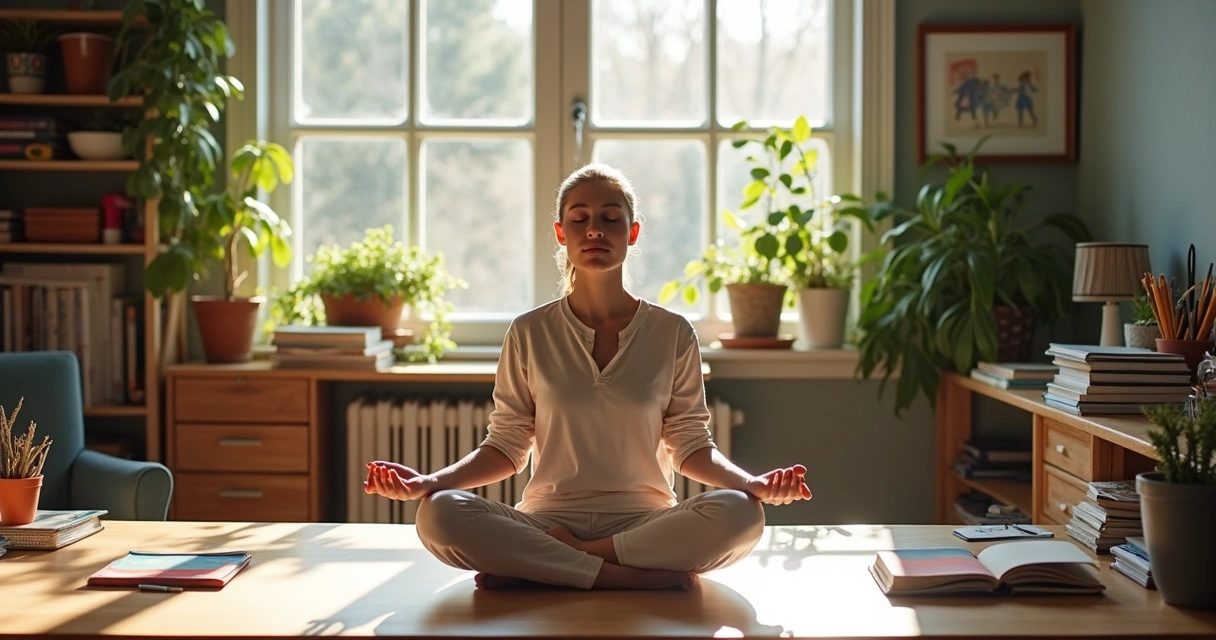
We find that a short session of energizing breaths can turn a dull moment into an awake, inspired one.
5. Practice breath focus before creative tasks
Before starting your creative work, pause for one or two minutes to simply observe your breath. Let each inhale and exhale happen naturally. This technique, often overlooked, grounds your attention and acts like a reset button for the mind. We have heard from artists, writers, and musicians that this brief ritual makes it easier to enter “the flow” of creation.
Inspiration visits a quiet, ready mind.
6. Synchronize breath with movement
If you feel blocked, try moving and breathing together. Stand up, stretch your arms overhead as you inhale, then lower them as you exhale. Even walking mindfully, matching your steps with your breath, can create new energy and ideas. The body’s rhythm speaks directly to creative centers in the brain. People often share that new solutions appear “out of nowhere” when they move with mindful breath.
7. Use breath to pause and reflect
Taking breathing breaks during creative work supports your mind’s ability to shift perspective when needed. Every hour or so, we suggest putting down your pen or lifting your hands from the keyboard. Close your eyes for a moment and breathe slowly. Notice what thoughts arise. You may discover that stepping away, even briefly, brings clarity and fresh angles.
8. Invite playfulness with spontaneous breathing
Creativity is about breaking patterns. We often get stuck in routines, losing the playful spark that leads to innovation. Try experimenting with different rhythms:
- Short, rapid “sighs” (quick inhales and relaxed exhales)
- Long, drawn-out exhales with humming
- Breathing through pursed lips like you are gently blowing out candles
Let it feel silly if you wish. These playful breaths can shake loose stuck ideas and open unexpected doors.
9. End your creative sessions with a closing breath
Just as you begin with intention, closing your session with a few calm breaths helps carry creative energy into daily life. Sit back, inhale deeply, exhale fully, and mentally thank yourself for the time spent creating. This small gesture marks a boundary between focused work and life outside, reducing fatigue and supporting a joyful relationship with your art or projects. We have observed that people who end with a breath tend to look forward to their next creative session, not dread it.
Endings, like beginnings, can foster gratitude and new ideas.
Conclusion
Creativity needs a steady foundation. When we pay attention to the breath, we make space for ideas to grow. In our experience, these nine approaches are powerful yet simple steps to support creative flow every day. Whether you are an artist, a problem-solver, or simply looking for inspiration, your breath can become an ally in unlocking your best ideas.
Frequently asked questions
What is the link between breath and creativity?
Breathing connects the body and mind by creating a calm internal environment that supports imagination and new ideas. When we breathe with awareness, we calm the nervous system, reduce stress, and become receptive to inspiration. This connection helps creative thoughts emerge more naturally.
How can breathing exercises boost creativity?
Breathing exercises help focus attention, quiet distractions, and reset the mind. By practicing specific techniques, such as slow breathing or alternate nostril breathing, we create the conditions where creative thinking can flourish.
What are the best breathing techniques for creativity?
Some effective techniques include slow breath cycles, alternate nostril breathing for balance, energizing breaths for renewed focus, and playful rhythmic breathing. Pausing to observe your breath before and after creative sessions also makes a noticeable difference.
Is it worth it to try mindful breathing?
Yes, mindful breathing is a simple practice that can benefit anyone seeking more creativity or presence in their work. We have found that short periods of mindful breath bring clarity, reduce anxiety, and awaken emotional curiosity, all helpful for creative work.
How often should I practice creative breathing?
Try practicing at the start and end of creative sessions, and take brief breath breaks during longer projects. Even a few minutes a day, spread across different moments, can support a healthy creative flow.