Some moments in life feel like holding our breath—tense, uncertain, packed with emotion. We rarely think about how our breath shapes the way we move through challenges. But the simple act of holding the breath goes far beyond being a test of lung capacity or athleticism. In our experience and research, we've found that it has deep connections to how we manage stress, react to difficult experiences, and build resilience from within.
The basics: What happens when we hold our breath
When we hold our breath, we trigger more than just a physical pause. The body senses the rising carbon dioxide and falling oxygen levels. This gentle, temporary deprivation sets off natural alarms. The heart rate slows, then rises. Muscles tense. The mind searches for calm or control. Most of us have felt this subtle tug-of-war when we pause our breathing, even for a few seconds.
But the impact is not limited to physiology. There is a mental and emotional landscape that arises as we stretch the breathless moment. Thoughts come and go. Urges surface. A need for release builds. How do we respond? The answer can reveal how we deal with pressure in daily life.
We are never just holding our breath; we are meeting ourselves in stillness.
The scientific foundation: Breath holding, stress, and adaptation
Several studies have shown that the act of intentionally holding one’s breath activates the autonomic nervous system. This system manages our fight-or-flight and rest-and-digest responses. At first, breath retention prompts a mild stress response, raising awareness and activating alertness. As time passes, and especially with practice, the body adapts to this discomfort—making the nervous system more flexible and robust.
Through this process, something fascinating happens:
- Our heart rate varies in a healthy range.
- Stress hormones peak but then quickly recover.
- Mental focus becomes sharper as the mind clears distractions.
With repeated, mindful practice, the body and mind learn to recover balance faster after stress. This, we find, is the foundation of emotional resilience.
The emotional challenge: What breath holding teaches us
Breath holding triggers not only physical responses but also emotional waves. The discomfort can evoke anxious thoughts, irritation, or impatience. For some, old fears or memories may rise to the surface. In these brief, breathless pauses, we come face to face with discomfort in a controlled way.
If we pay attention, we notice patterns:
- The urge to give up just before we reach our true limits.
- Self-talk that pushes us or doubts us.
- The relief of release—and what emotions surface afterward.
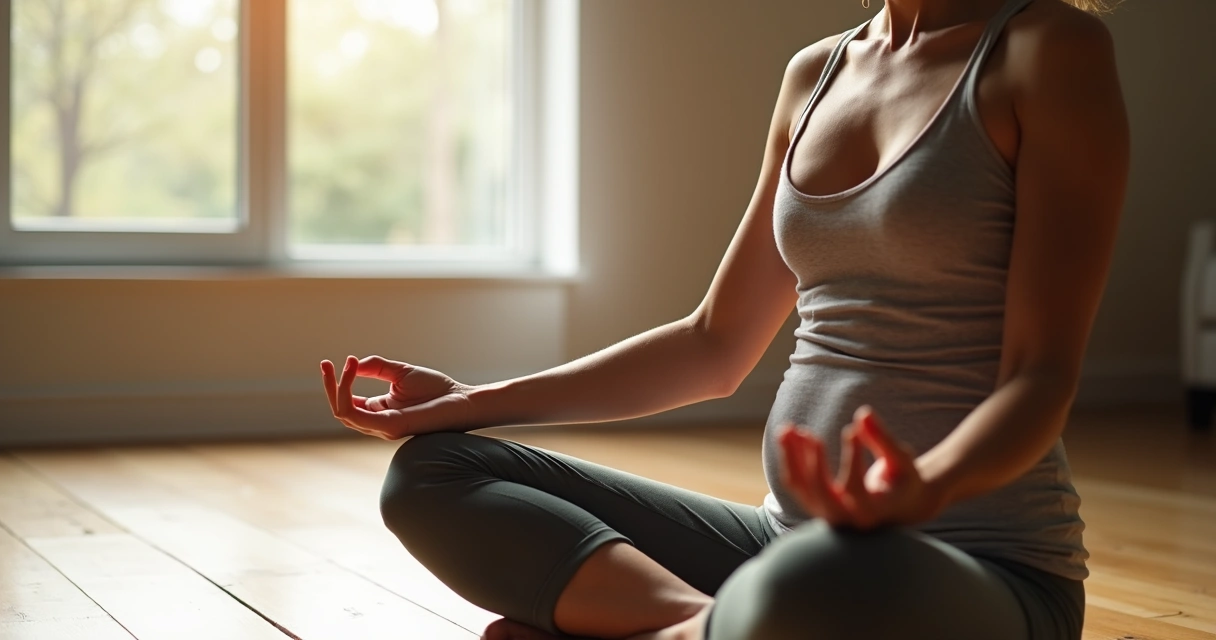
Every breath hold is a mirror for our inner reactions to stress and discomfort. And like any challenge, how we respond in the small moments shapes how we handle bigger storms outside of the practice.
The bridge to resilience: Using breath holding for emotional growth
Emotional resilience is not about avoiding stress. Instead, it’s about developing the ability to recover from setbacks, adapt, and find stability again. Breath holding can act as a training ground for this skill. We have seen, both in personal practice and feedback, that facing the gentle discomfort of breath holding teaches us how to sit with difficult emotions in daily life.
Here’s how breath holding supports resilience:
- We learn to recognize and manage impulsive reactions (such as panic or surrender) when discomfort rises.
- Patience grows as we sustain a state of non-action, waiting for the urge to breathe to pass.
- We gain trust in our capacity to handle pressure without needing to escape immediately.
- After the hold, our relief is deeper—mirrored by how we feel after overcoming real challenges.
Practicing breath holding, then, is more than a physical challenge. It becomes a safe environment to practice emotional flexibility and mental strength.
How to practice: Breath holding with awareness
For most adults, a gentle approach is best when starting. We recommend staying well within your comfort zone and only progressing with awareness and self-care. Here’s a simple structure you can follow:
- Find a comfortable seat and allow your breath to settle.
- Inhale deeply through your nose, filling your lungs without straining.
- Exhale normally, and then, after a comfortable inhale, gently hold your breath. Do not force.
- Start with short holds—10 to 30 seconds. Count in your mind or follow a timer.
- Notice the first impulses to breathe or any discomfort. Watch your thoughts and feelings.
- When the urge to breathe increases, gently release the hold and return to normal breathing.
- Pause and observe how you feel. Let yourself rest between rounds.
Work with this sequence for a few minutes, only repeating if you feel well-supported. Over time, you may find your breath holds lengthen naturally, but the goal is not competition—it’s awareness and learning.
Integrating breath holding into daily life
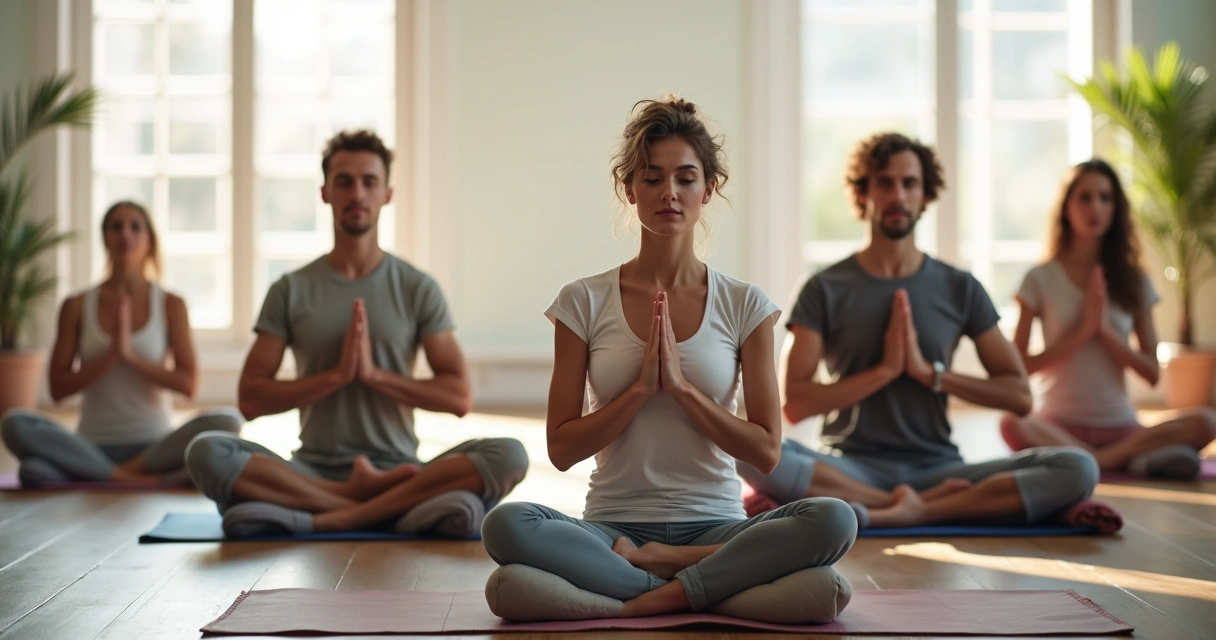
We have noticed that when people start practicing breath holding, even for a few breaths each day, other habits begin to shift. Stress seems less overwhelming. There is a greater ability to pause before reacting. Simple breathing practices start to extend into more challenging moments—a meeting, a tough conversation, or a busy commute.
If we encounter an emotional hurdle, we can take a quiet breath, recall the lessons learned during our practice, and settle our response. Breath holding teaches us that stillness is possible even in moments of tension.
The limits: Safety and self-awareness
While breath holding has many benefits, we always encourage awareness of your body’s limitations. Not everyone should practice breath holding, especially individuals with certain health concerns. If you feel dizzy, lightheaded, or distressed, stop immediately. This practice is not about pushing through pain or risking health. Instead, it is a gentle invitation to meet ourselves as we are, moment to moment.
In summary: What we’ve learned from breath holding and resilience
In our experience, the link between breath holding and emotional resilience is both practical and profound. The act of holding the breath is a mirror, reflecting our reactions to discomfort without judgment. With care and patience, it becomes a practice ground for cultivating calm, focus, and inner steadiness.
The way we meet each breath is the way we meet our lives.
Working with the breath—by holding it, feeling the discomfort, watching thoughts, and then returning to ease—we can grow into people who weather life’s storms with greater balance. The lessons learned in stillness last far beyond those brief, breathless moments.
Frequently asked questions
What is the link between breath holding and emotions?
When we hold our breath, discomfort, tension, or old emotional patterns can surface, revealing how we respond under pressure. Breath holding gives us a safe way to observe, understand, and shift these emotional reactions in real time, making it a valuable tool for emotional awareness.
How does breath holding build resilience?
Breath holding creates a controlled, gentle stress in the body and mind. As we practice staying calm in this situation, we build the capacity to face and recover from stress in our daily lives. This repeated adaptation equips us to handle future challenges with greater confidence and stability.
Is breath holding safe for everyone?
Breath holding is not safe for people with some medical conditions such as heart issues or serious respiratory problems. We recommend listening carefully to your body and stopping the practice if you feel unwell. Consulting with a healthcare provider is best if you are unsure whether breath holding is appropriate for you.
How to practice breath holding effectively?
Begin in a comfortable seated position, inhale gently, hold your breath for only as long as feels natural, and pay attention to how you feel in your mind and body. Short, frequent holds and plenty of rest between rounds are more effective than long, stressful holds.
Can breath holding reduce stress levels?
Breath holding, when practiced with care and awareness, can reduce stress over time by training the nervous system to recover more quickly from pressure. This effect can extend into daily life, helping people feel calmer and more balanced in difficult moments.