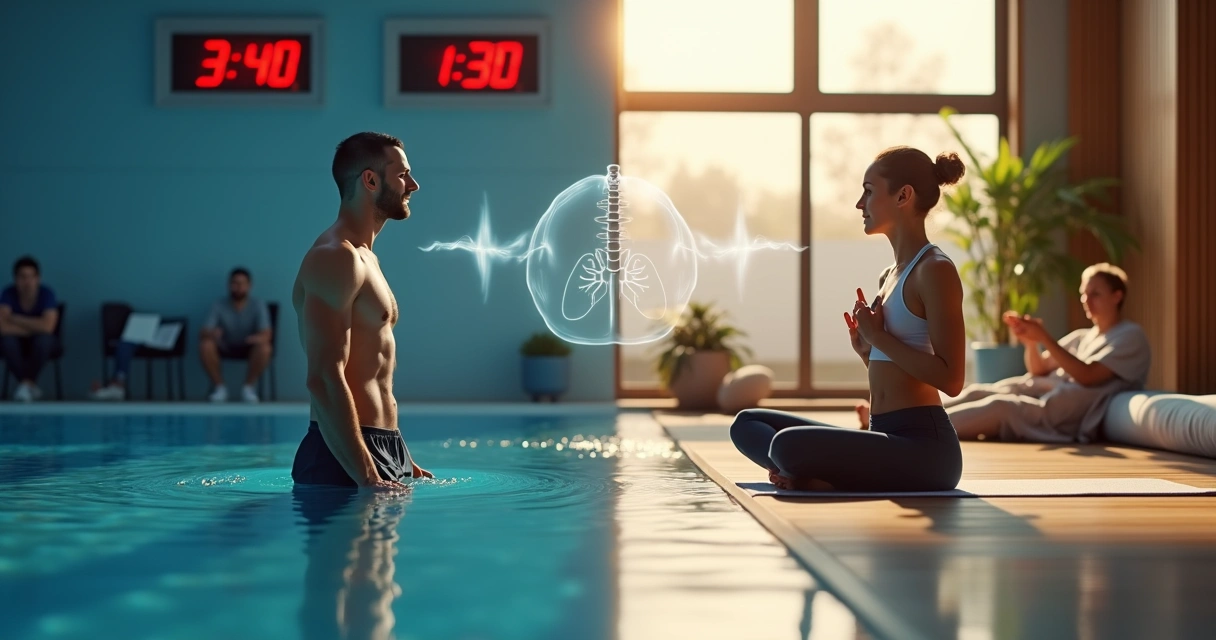
Breath-holding is much more than a challenge or skill. It can take the form of a thrilling sport or a powerful tool for emotional balance and health. We have seen both worlds up close: the competitive, adrenaline-charged atmosphere of formal contests, and the calm, attentive space of therapeutic breathing. Each has its own focus, community, and set of risks and benefits. In this review, we weigh these two approaches to breath-holding, helping you see their differences and understand their unique impacts on mind, body, and consciousness.
The world of breath-holding competitions
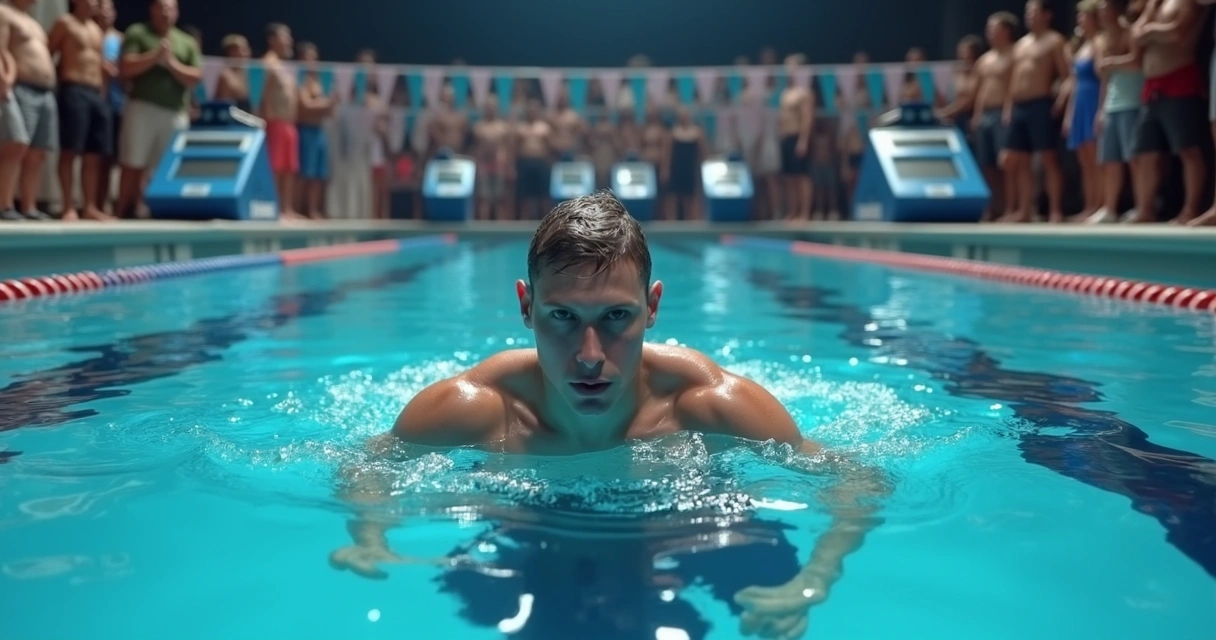
Competitive breath-holding, also known as static apnea, has grown over the last decades. Participants train to hold their breath for as long as possible, often underwater, in highly monitored conditions. Records are broken at international events, with some athletes surpassing ten minutes without a breath. The contest is not just about lung capacity; it requires focus, discipline, and mental strength.
In our perspective, the main elements that shape these competitions include:
- Physical conditioning: Athletes undergo strict training programs that target cardiovascular health, CO2 tolerance, and relaxation strategies.
- Mental resilience: The ability to remain calm when urge-to-breathe signals become intense is a trademark of top competitors.
- Risk management: With professional supervision, athletes follow safety protocols to minimize dangers such as blackouts or water aspiration.
Push your limits, but always know where they are.
These contests celebrate exceptional physical and mental control, often attracting a devoted community. Yet, the very nature of the challenge—deliberately approaching physical and psychological boundaries—demands respect for both training and safety.
Therapeutic breath-holding practices
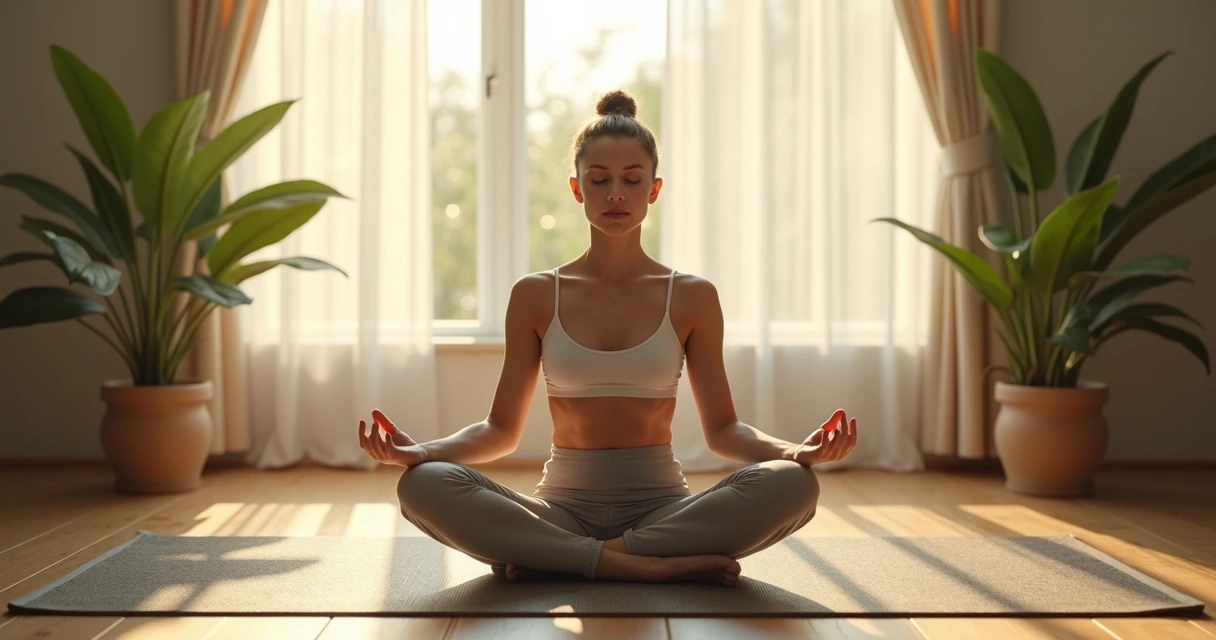
Breath-holding in therapeutic settings is a very different practice. Instead of maximizing duration, the goals focus on increasing awareness of bodily sensations, regulating emotions, and shifting states of consciousness. When used under guidance by professionals, these practices can support physical and mental health without pushing towards the discomfort or risks found in competitions.
We have observed that breath-holding, when employed therapeutically, often includes:
- Short, gentle breath-holds interspersed with calm breathing
- Guided relaxation and attention to inner experience
- Safe environments free from high-pressure or performance demands
- Integration with mindfulness, meditation, or movement therapies
In these frameworks, breath-holding serves as a tool—not an end in itself. It can:
- Increase self-awareness by bringing attention to the natural sensations and urges of the body.
- Support emotional regulation, gently exposing us to controlled stress and teaching the body and mind to remain present and relaxed.
- Build slow, safe progress, where any discomfort is met with curiosity instead of pressure.
Therapeutic breath-holding is often less dramatic, but its subtle effects can ripple through daily life—reducing anxiety, improving focus, and unlocking new relationships with tension and relaxation.
Gentle breath-holds invite awareness, not struggle.
Safety and risk: What do we need to know?
The key difference between the two approaches often lies in attitude and supervision. Competitive breath-holding, by its nature, courts physical limits—sometimes with dangerous outcomes. Therapeutic practices, with slower and measured breath-holds, very rarely carry the same level of risk, especially when guided by trained experts.
Some possible hazards include:
- Loss of consciousness (blackout), more common in unsupervised or high-intensity experiments
- Dizziness, headache, or discomfort if overdone
- Panic or anxiety, especially in those with a history of breathing difficulties
- Physical injury in aquatic environments if supervision is not present
Breath-holding can be safe or risky depending on context, preparation, and intent. That is why we recommend never practicing extended or challenging breath-holds alone, in water, or without reliable guidance.
Physiological and psychological effects
Both competition and therapy touch the same base: our body’s response to holding the breath.
Physiologically, breath-holding increases carbon dioxide (CO2) in the blood and lowers oxygen (O2) available to our brains and organs. Short periods can stimulate circulation and heart rate. Longer periods cause discomfort, dizziness, or even loss of consciousness.
Psychologically, the act of holding the breath triggers a range of responses. Competitors may experience a “floaty” or altered state near their maximum capacity. In therapeutic settings, controlled breath-holding can teach us to notice our anxieties and responses—and respond with calmness and patience.
Some differences in outcome are clear:
- Competitors may focus on performance, personal bests, and overcoming internal resistance.
- Therapeutic practitioners focus on process, presence, and building a safe relationship with bodily signals.
Both approaches change the way we experience time, inner tension, and release. But the intention behind the practice shapes the outcome.
How we hold our breath reveals the way we meet challenge and care for ourselves.
Which should you choose?
Our experience tells us that the “right” path depends on your needs and goals. Competitive breath-holding demands excellent health, strong motivation, and a fondness for challenge. Therapeutic breath-holding is accessible to many more people, with its focus on gentle self-exploration, emotional balance, and conscious presence.
Ask yourself, do you want greater performance, or do you need a tool for daily calm? Both are valid. Both ask for care and awareness.
Conclusion
Breath-holding can be a stage for competition or a quiet source of insight and healing. The difference lies in purpose, preparation, and context. We believe that safe, conscious practice—guided by awareness rather than ego—leads to the healthiest relationship with our breath. Whether you seek performance or peace, breath-holding carries lessons for every part of life.
Frequently asked questions
What is a breath-holding competition?
A breath-holding competition is an event where participants try to hold their breath for as long as possible, often underwater, under strict supervision and with judges timing each attempt. Athletes train extensively to increase their capacity and manage the urge to breathe. These contests celebrate both physical conditioning and mental resilience, with safety protocols in place to prevent accidents.
How is breath-holding used therapeutically?
Therapeutic breath-holding is used in controlled environments to increase self-awareness, support emotional regulation, and gently build resilience to stress. In these practices, breath-holds are kept short and comfortable, often paired with mindfulness or relaxation techniques. The focus remains on the process and feeling safe throughout, not on achieving long times or records.
What are the risks of breath-holding?
The risks depend on context. Competitions and unsupervised experiments can cause fainting (blackout), accidental aspiration of water, headache, dizziness, or panic. Therapeutic breath-holding, when gently practiced with guidance, carries much less risk. Still, it’s best to listen to your body, stop if you feel unwell, and never hold your breath underwater alone.
Is breath-holding good for health?
Small, gentle breath-holds in therapeutic settings may help with relaxation, self-regulation, and stress resilience. However, prolonged or competitive breath-holding is not suitable for everyone and can be dangerous if done improperly. It is always wise to consult a healthcare professional if you have concerns or underlying health issues before starting any breath control practice.
How can I safely practice breath-holding?
To practice breath-holding safely:
- Start slowly and gently.
- Practice in a calm environment, preferably with someone present.
- Stay seated or lying down to avoid falls if you feel dizzy.
- Never hold your breath underwater alone—not even for short times.
- Stop if you feel discomfort or anxiety.
- Seek guidance from professionals experienced in breathwork if you want to go deeper.