If we pause for a moment to pay attention to the way we breathe, we might notice how often our breath feels quick, shallow, or even tense. Breathing, usually automatic and unnoticed, holds a surprising power to steady the mind, clarify emotions, and bring us back to the here and now. In recent years, we have seen more people become interested in learning about how controlling the breath affects well-being. One method that stands out is coherent breathing. For those starting out in 2026, this guide will open a practical path to understanding and practicing coherent breathing from the very first breath.
Why coherent breathing matters
We have always known that breathing means more than simply taking in air. When we breathe consciously and with a certain rhythm, the breath becomes a bridge connecting the mind with the body. Coherent breathing is a technique that involves inhaling and exhaling at an even, gentle pace, typically around five breaths per minute. The science suggests that establishing such a rhythm helps balance the nervous system, calm emotional waves, and foster a sense of presence.
Many of us experience stressful days where thoughts spin, shoulders tense, and sleep feels distant. In those moments, our breath becomes quick and uneven—a mirror of our inner state. Coherent breathing offers not an escape, but a shift. The rhythm invites a conversation between heart, brain, and body. With steady practice, we have noticed that awareness grows, stress lowers, and a quieter clarity often appears.
The breath is both an anchor and a door.
The basics: what is coherent breathing?
Coherent breathing means breathing in and out at the same steady pace, usually about five seconds in, five seconds out, repeated over several minutes. The rate of around five breaths a minute lines up with research showing how this rhythm supports calmness, emotional regulation, and even heart health. This is not about forcing deep or quick breaths, but about inviting a gentle and natural flow. When starting out, the breath may feel strange or mechanical, but with patience, the movement becomes smooth and pleasant.
Here are some common features of coherent breathing:
- Inhalation and exhalation last the same amount of time (for example, five seconds in, five seconds out).
- The breath flows smoothly, without holding or pausing.
- The focus stays on the sensation of air coming in and going out.
- The technique can be practiced lying down, sitting, or standing, depending on comfort.
How to get started: step by step
We believe that anyone can begin coherent breathing with just a few minutes and a willingness to notice. The right posture, setting, and mindset make learning easier. Here is a step-by-step outline to help you begin:
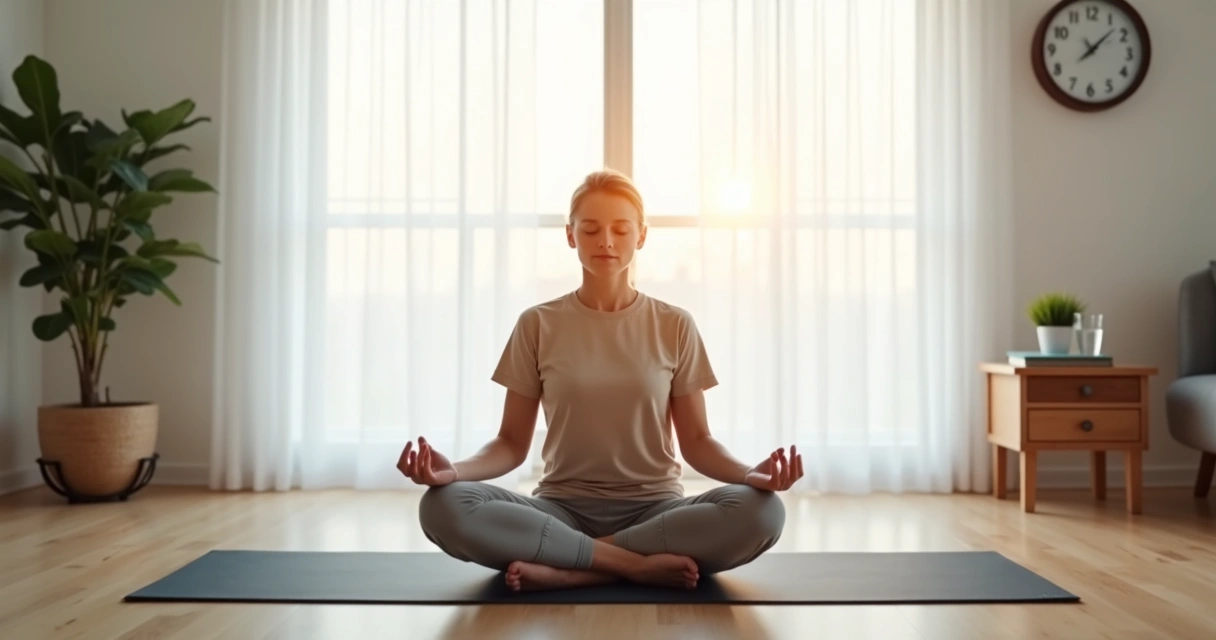
- Find a comfortable position. Sit upright with your back straight but not stiff, or lie down if that feels better. Rest your hands where you like.
- Gently close your eyes. This can help limit distractions, though it is not required.
- Notice your natural breath. Feel how the air moves in and out before changing anything.
- Begin to slow your breath. Inhale through your nose for a count of five. Then exhale through your nose (or mouth if you prefer) for a count of five.
- Repeat this rhythm. Continue for at least five minutes. If counting distracts you, there are apps or simple timers, but counting in your mind often works well.
- Stay gentle with yourself. If your mind wanders or your breath stumbles, quietly bring your attention back. There is nothing to fix.

If at first it feels like work, know that with practice, the effort fades. Many people tell us they start noticing a calmer pulse and a more relaxed mind after just a week of regular practice.
How does coherent breathing work on mind and body?
What happens when we breathe this way? Research and personal accounts point to several changes—some felt quickly, some more subtle. As we breathe evenly and more slowly than usual, the heart rate follows a smoother curve. Blood pressure may gently adjust. With time, tension in the belly, shoulders, or face loosens, making way for clearer thinking.
Mentally, the gradual rhythm of the breath mirrors a gradual settling of thoughts. The breath gives us a focal point, something to return to instead of letting anxious thinking take the lead. Over time, this has an effect that feels like “resetting” both mind and body after stress or strong emotion.
- Physical impact: Many people describe a soft warmth in the hands, a slower heartbeat, and even lighter sleep after practicing for several days.
- Mental and emotional impact: Less racing thoughts, lower anxiety, and an easier time responding calmly to challenges.
- Greater presence: The act of breathing with attention often leads to noticing more details in daily life—sounds, sensations, even flavors seem finer.
Breathe evenly, watch what happens.
Troubleshooting: addressing common challenges
As we help others learn this technique, we have noticed a few challenges that often come up. Sometimes, beginners worry about not counting correctly, or find themselves getting bored or frustrated if the mind jumps around. It is very normal.
Here are some gentle tips for common difficulties:
- If the mind wanders: It is fine. When you notice, just return attention to the breath, or quietly start the count again.
- If you feel light-headed or uncomfortable: Shorten the session or breathe a little faster until comfort returns. You do not need to force the five seconds. Comfort comes before the precise pace.
- If you get bored: Try practicing at a different time of day, or bring subtle awareness to body sensations along with the breath. Imagine you are gently listening to your own breathing as you would listen to quiet music.
How often and when to practice?
We have observed that even a few minutes per day can make a difference. Many beginners start with five minutes, once or twice daily. Some prefer practicing just before sleep or first thing in the morning. With time, extending sessions to ten or twenty minutes is common. This is not a race. What matters is regularity, not length or “perfect” technique.

We recommend newcomers start with consistent, short daily sessions and build from there if desired. There is no need to push. The effects build gently over time, with each breath adding to the next.
Conclusion
Learning coherent breathing is less about mastering a technique and more about returning to something we already possess. The breath, once noticed and tended, guides us to steadier ground within. In our experience, those who give this method time and gentle curiosity often soon discover a quieter mind, a softer heart, and a new rhythm to their days. The best moment to begin is always now, with a single, gentle breath in—and a single breath out.
Frequently asked questions about coherent breathing
What is coherent breathing?
Coherent breathing is a practice where you breathe in and out at the same slow, steady pace, typically five seconds each for inhaling and exhaling, for about five breaths per minute. This balanced rhythm helps synchronize body and mind, and can support calmness and presence with regular practice.
How to start coherent breathing practice?
Start by finding a quiet, comfortable place to sit or lie down, close your eyes if helpful, and begin to breathe in for five seconds, then out for five seconds, repeating for a few minutes. Gently return your attention to the breath whenever you get distracted. Begin with short daily sessions, increasing the duration as you become comfortable.
Is coherent breathing safe for everyone?
Most people can practice coherent breathing safely, but if you have any respiratory or heart conditions, or if you feel uncomfortable or light-headed, it is always wise to consult a healthcare professional first. The practice should never feel forced or cause distress. Adjust the breath length to what feels comfortable for your body.
How often should I practice coherent breathing?
We recommend starting with five minutes, once or twice a day, and increasing as you see fit. Consistency tends to bring the most noticeable changes. Over time, many people find that longer or more frequent sessions fit naturally into their rhythm.
What benefits does coherent breathing offer?
Practicing coherent breathing can help reduce stress, improve emotional clarity, support heart health, and foster a calm, present state of mind. Many people also report improved sleep, a more balanced emotional response, and greater ability to focus in daily life.