Anxiety can quietly invade the mind, leaving us restless and tense without warning. We know how hard it is to find steadiness when our breath feels rushed and shallow. Over the years, we have seen how a handful of focused breathing methods can act as gentle anchors in these turbulent moments. By guiding our attention to the simple act of breathing, we claim a little peace, even when the world feels loud.
Breathe in calm. Breathe out worry.
We believe that guided breathwork can cultivate a present, attentive state of mind. Below, we discuss eight tried-and-true breathing techniques. Each is easy to try, even for beginners. Whether anxiety is new to you or a familiar visitor, these techniques are invitations to return to the present body and breathe with more confidence.
Understanding anxiety and breathwork
When anxiety strikes, our bodies react quickly. The heart beats faster, and muscles tense. Breathing grows shallow and quick. This state prepares us to react to danger, but it rarely serves us in daily life. Controlled breathwork interrupts this pattern, sending signals of safety to the mind and body. Many people find that their anxious thoughts soften simply by changing how they breathe.
Breathwork techniques use the breath as a reliable tool to shift us from tension to calm within minutes.The following eight strategies cover a range of approaches. Some are quiet and subtle; others invite more movement and noise. We suggest you try several and notice how you feel. Think of breathwork as a gentle practice with room for personal discovery.
Eight practical guided breathing techniques for anxiety
1. Box breathing
Box breathing, often called four-square breathing, uses a steady rhythm to calm the nervous system. Here’s how we practice it:
- Inhale through the nose for a count of 4.
- Hold the breath for another count of 4.
- Exhale gently through the mouth for 4 seconds.
- Pause and hold for 4 seconds before the next inhale.
We find that repeating this cycle for about four rounds helps slow the mind and brings the heart rate down. People often notice a sense of stability returning after just a few minutes.
2. 4-7-8 breathing
This pattern invites slower inhales and even longer exhales. It can be especially supportive if you feel anxious before sleep.
- Inhale quietly through the nose for 4 seconds.
- Hold the breath for 7 seconds.
- Exhale audibly through the mouth for a slow count of 8.
Repeating this sequence three or four times can lead to noticeable drops in nervousness or tension.
3. Diaphragmatic breathing
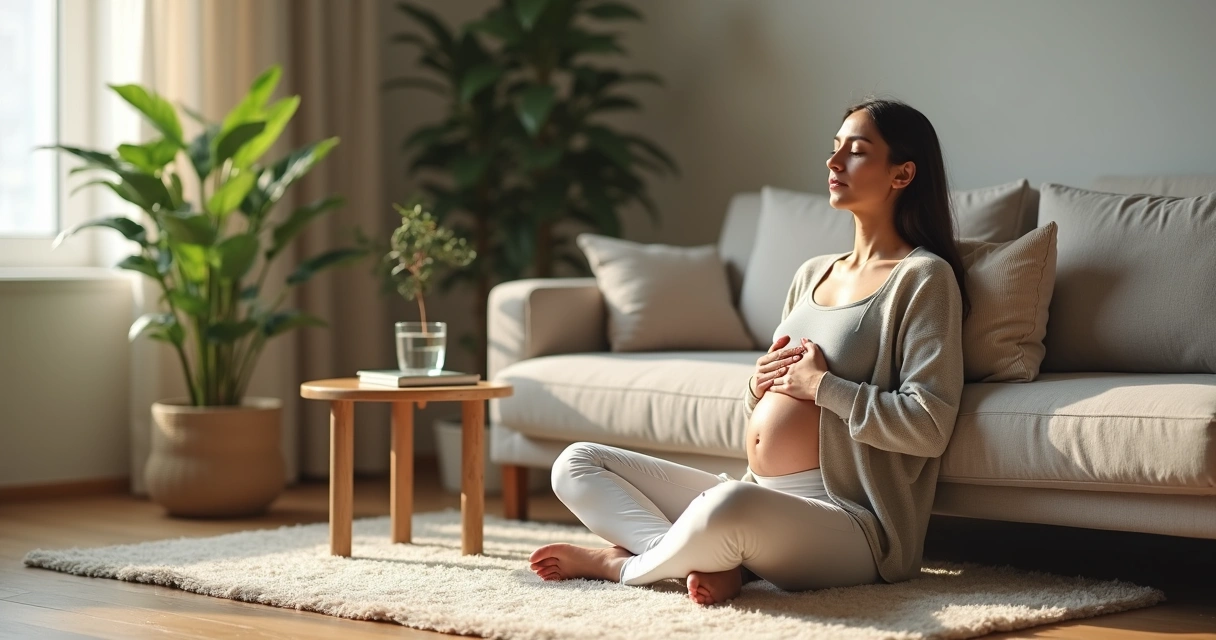
Sometimes called belly breathing, this technique directs our focus to the movement of the diaphragm rather than the chest.
- Place one hand on the chest and one on the belly.
- Inhale gently through the nose, letting the belly rise outward.
- Exhale slowly, feeling the belly lower. The hand on the chest should move very little.
Practice for several breaths, and you may notice a grounded, peaceful feeling settling in.
4. Alternate nostril breathing
Rooted in traditional practices, alternate nostril breathing is known for creating balance in our energy. It can offer comfort during moments of unease.
- With your right thumb, close your right nostril and inhale through the left.
- Close your left nostril with your ring finger and release your thumb to exhale through the right.
- Inhale through that same right nostril. Switch to close it, and exhale through the left.
Continue for one to three minutes. Many of us have felt our thoughts slow down, bringing a gentle, even focus.
5. Resonant breathing
Resonant breathing, also called coherent breathing, encourages us to aim for about five or six breaths per minute. It’s a simple shift that often leads to a wave of calm.
- Inhale through your nose gently for a steady count of 5.
- Exhale through your nose for a count of 5.
Try to keep the breaths smooth. We have noticed that after just a few minutes, stress often feels lighter and more distant.
6. Lion’s breath
Lion’s breath may seem playful, but it is powerful for releasing built-up tension.
- Sit upright and inhale deeply through the nose.
- Open the mouth wide and stick your tongue out toward your chin.
- Exhale forcefully, making a “ha” sound from deep in your throat.
After two or three rounds, many of us feel a burst of energy and a clearing of tightness in the face and jaw.
7. Humming bee breath
This exercise produces a soft vibration in the upper body, which many people find soothing.
- Inhale deeply through your nose.
- As you exhale, make a gentle humming or buzzing sound like a bee.
Hands can be placed lightly over the eyes or ears for extra calm. Two or three rounds work well in moments of inner restlessness.
8. Counting breath
Sometimes, all we need is to give the mind a simple task—counting each breath.
- Inhale and silently count “one,” then exhale and count “two.”
- Continue counting with each inhale and exhale, up to ten.
- If you lose track, gently begin again.
This basic focus on the counting and sensation of the breath brings attention back, acting like a reset for the mind.
Starting your breathwork practice
In our experience, regular breathwork works best when it is simple and approachable. Start with just one or two minutes daily, perhaps before a meeting or after waking. Choose the method that matches your mood and energy. There’s no right or wrong—just an honest meeting with your breath.
Gentle practice grows into real change.
We suggest finding a comfortable seated or lying position, shutting off distractions, and inviting patience into your routine. Consistency brings more calm, and each breath sets the tone for the next.
Conclusion
Anxiety can come and go, but our breath stays with us. With regular breathwork, we have found the body’s tension softens, thoughts become steadier, and daily moments feel less overwhelming. Each method is an invitation to reconnect and notice small pockets of peace, even on difficult days. The more we practice, the more our awareness grows, moment by moment, breath by breath.
Frequently asked questions
What is guided breathwork for anxiety?
Guided breathwork for anxiety means using step-by-step breathing techniques, often with verbal instructions, to help bring calm and reduce anxious feelings. A guide (either a recording or a person) may explain exactly when to inhale, hold, or exhale, and sometimes pairs this with visualizations or gentle instructions.
How can breathwork help with anxiety?
Breathwork helps with anxiety by sending signals to the nervous system that you are safe, not threatened. This slows the heart rate and eases muscle tension. Changing how we breathe can calm anxious thoughts and restore a peaceful state of mind in just a few minutes.
What are the best breathwork techniques?
There is no single best technique, as everyone’s experience is different. Popular methods include box breathing, 4-7-8 breathing, diaphragmatic breathing, alternate nostril breathing, resonant breathing, lion’s breath, humming bee breath, and counting breath. We suggest trying several to find which brings you the most comfort.
How often should I practice breathwork?
We recommend practicing breathwork at least once a day if possible, but even a few times per week makes a difference. Many people benefit from a short session before stressful events or as part of their evening routine.
Is guided breathwork safe for everyone?
For most people, guided breathwork is safe and gentle. However, if you have a history of respiratory or heart conditions, or feel dizzy during exercises, consult a medical professional before regular practice.