
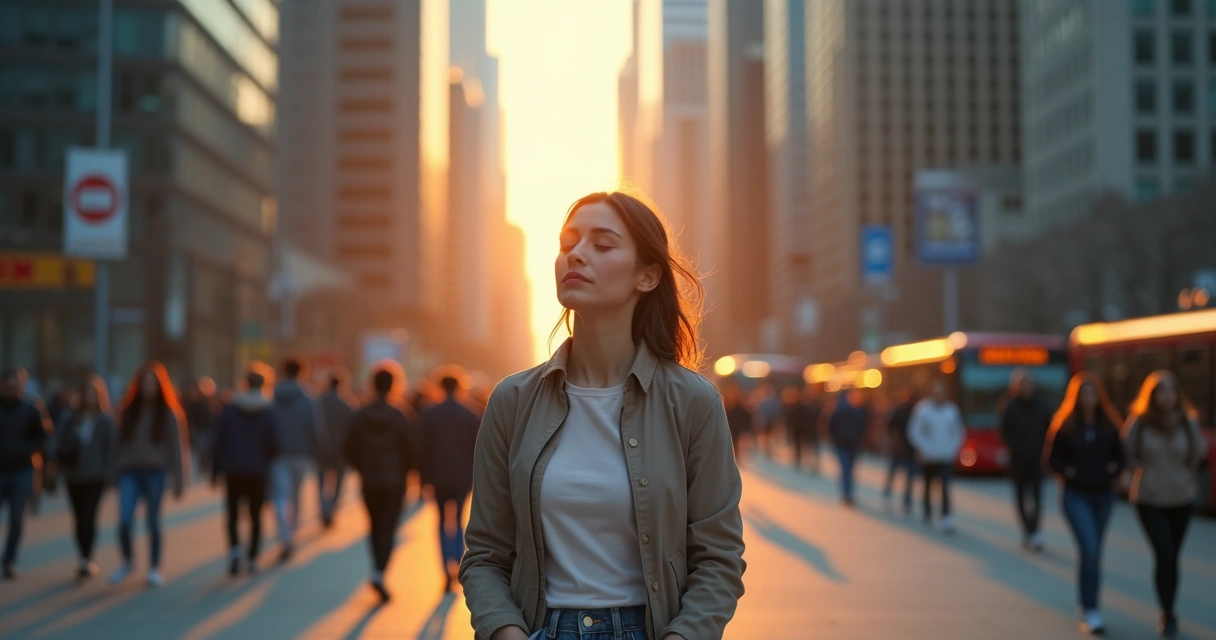
Every day, millions of people wake up to the city’s steady hum. Sirens weave through honking horns. Concrete towers rise, and narrow green spaces feel rare. Most of us do not pause to think about our breath as we move through these busy streets. Yet, city life is quietly shaping how we breathe, affecting not only our physical health but our emotions and mental awareness, too.
In our research and experience, we have found that urban living changes natural breathing in subtle ways. Below, we reveal seven rarely noticed impacts—and how they can shape our well-being, whether we realize it or not.
Air quality and hidden irritants
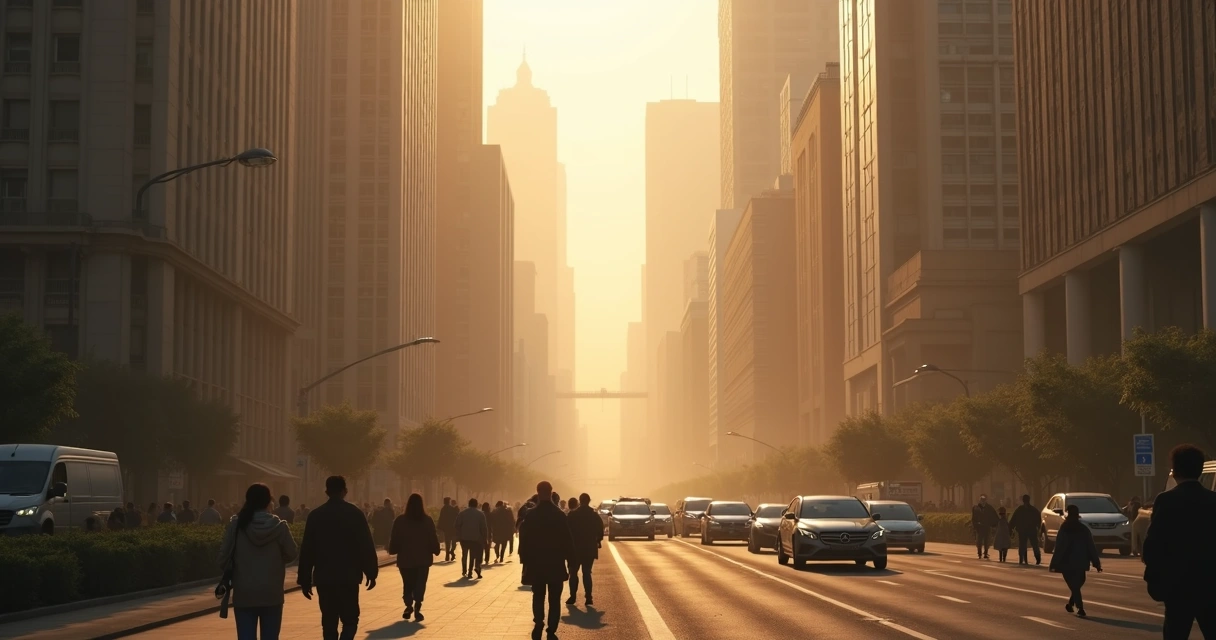
City air often smells different—sometimes sharp, sometimes heavy, rarely fresh. This is not simply an inconvenience. It is a silent influence on how each breath feels and functions.
- Pollutants like nitrogen dioxide, fine particles, and ozone can irritate our airways, encourage shallow breaths, and trigger the body’s defense responses.
- Dust from construction, pollen, mold, and vehicular fumes can quietly thicken the air, making steady, deep breathing more difficult.
Many people find themselves sighing more, avoiding full inhalations, or experiencing chest tightness that is easily dismissed as stress. In our daily lives, the simple act of breathing can become an effort—even if we are not sick.
Noise and unconscious breath holding
Loud noises interrupt more than our conversations. In our experience, a sudden alarm, screeching brakes, or even a heated argument on a sidewalk might cause us to “pause” our breath completely.
Over time, the brain can link city noise with a subtle freeze response, leading to unconsciously held or shallow breathing. We find ourselves holding breath when startled, or breathing quickly if surrounded by loud, unpredictable sounds.
These small interruptions put our bodies in a mild state of tension, sometimes all day long. Stress quietly stacks up, even if we do not consciously notice our breath becoming shallow or tight.
Stress and the pace of city life
We all know that the city is fast. Deadlines set the rhythm of our steps. Schedules crowd our calendars. But there is a deeper impact at play.
Chronic stress from work, long commutes, crowds, and constant stimulation signals our bodies to stay alert—increasing heart rate, tensing muscles, and speeding up breathing cycles.
Before we know it, our breathing patterns have shifted. The body chooses short, upper-chest breaths over slow, full ones. Many people adapt to this quickened pattern, and the mind becomes accustomed to rapid breathing as a “new normal.”
Physical space and posture problems
We rarely consider posture as part of breathing. Yet in the city, our physical environment shapes how we stand, sit, and move all day long.
- Buses, trains, and crowded subways force many into positions where the chest is compressed or the shoulders are hunched forward.
- Desks at work and home invite us to collapse inward, rounding the back and making it harder to inflate the lungs fully.
- Even waiting in lines, carrying bags or backpacks, can tense shoulder and neck muscles, subtly making each breath shorter.
Small changes in position may not seem serious, but over months and years, they condition our bodies to breathe with less freedom and less awareness.
Artificial environments and filtered air
As buildings reach for the clouds, city living brings hours and hours indoors. We depend on climate control for comfort, but the air we breathe inside is different from what we would get outdoors—even on a “bad” city air day.
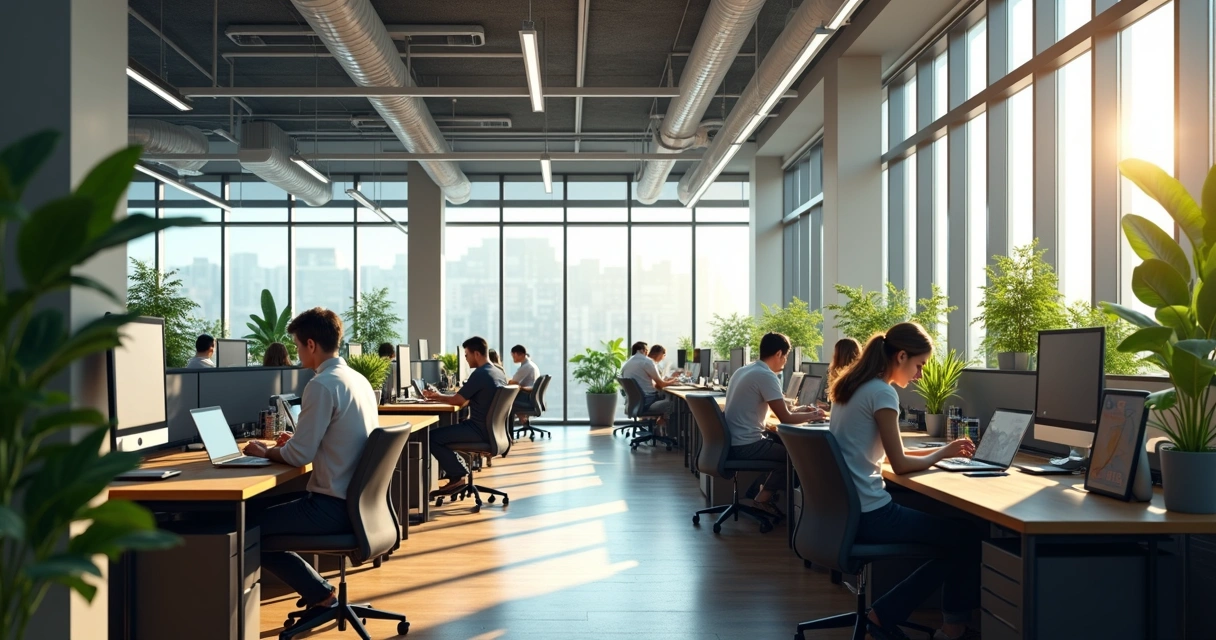
Filters, conditioning, and artificial scents may help mask discomforts, but they can dry out mucus membranes, dull the body’s sense of “freshness,” or even introduce irritants of their own. Spending long periods in artificial environments can reduce our natural instinct to take full, energizing breaths, leading to low-level fatigue or headaches.
Reduced contact with nature
Most cities have some green areas, but access can be limited or inconvenient. We often pass weeks or months without deeply inhaling woodland air or ocean breezes. This deprivation has a subtle cost.
- Time spent in nature tends to slow breathing, foster relaxation, and reconnect us to the rhythms of our bodies.
- City living rarely provides extended moments in quiet, open green spaces, reducing the deep, restorative breaths that feel so natural outdoors.
We may not realize how much we miss this, but many feel instantly different—lighter, clearer—after escaping the city, even briefly.
City living alters our natural breathing in ways we often do not notice.
Cultural habits and social breathing cues
In our experience, cities draw people from everywhere, mixing customs, habits, and social signals. Group dynamics affect how we act—and surprisingly, how we breathe, too.
From the way laughter or silence spreads in a crowded elevator to the practiced politeness of “keeping calm” in a busy restaurant, breathing often mirrors the social mood. We might unconsciously hold our breath to listen more closely, or suppress deep sighs to avoid attention from strangers.
Shared living spaces create unspoken patterns, encouraging subtle breath-holding and suppressed exhalations as part of fitting in, blending in, or simply not standing out.
Emotional awareness and reduced perception
Perhaps most subtle of all, city living can blunt our awareness—not only of surroundings but also of ourselves.
When distractions pile high and noise becomes constant, we can lose track of our own body’s signals. The result is that natural cues for slow breathing, needed sighs, or necessary pauses for rest are often ignored.
We may only notice the impact after a long, challenging day, when headaches or irritability arrive unexpectedly. For many, this distance from the body’s wisdom becomes a new default.
Conclusion: Finding your breath again in city life
City living may be shaping our breathing in more ways than we think. High-rises, crowded transport, city noise, filtered air, and social pressures all contribute in quiet, sometimes invisible, ways. The result may show up in our bodies, moods, and even our sense of connection to ourselves.
We believe that awareness is the first step. Building even small moments to pause, breathe deeply, stretch, or seek natural air can restore balance and energy, even in the busiest urban landscape.
Noticing the hidden impacts on our breath, we create space for a more conscious and aware daily life—one breath at a time.
Frequently asked questions
What is natural breathing?
Natural breathing is a relaxed, unforced way of inhaling and exhaling that usually happens without conscious effort. It often involves using the diaphragm so that the belly rises and falls gently, rather than the chest alone. This type of breathing encourages calm, helps with oxygen exchange, and supports both body and mind during everyday activities.
How does city air affect breathing?
City air contains more pollutants, dust, and chemical particles compared to rural or natural environments. When we breathe in city air, these irritants can cause our airways to narrow or become inflamed, often leading us to breathe more quickly or shallowly. Over time, this can reduce comfort, make us feel tired, and even lower our awareness of our own breathing patterns.
How can I improve breathing in cities?
We suggest making small changes, such as seeking green spaces even for a few minutes each day, airing out indoor areas, and noticing times when your breath feels tight or shallow. Simple things like stretching, mindful breathing exercises, and paying attention to posture—especially when sitting—can help restore easier, deeper breathing even in a busy city.
What are the signs of poor breathing?
Common signs of poor breathing include frequent sighing or yawning, feeling short of breath, tension in the neck or chest, and lack of energy. Some people also notice headaches, irritability, or difficulty focusing. If you notice these signs often, it may be time to check in with your breathing habits and environment.
Are masks useful for city pollution?
Masks designed to filter out particulate matter (like PM2.5) and other pollutants can help reduce exposure, especially in areas with heavy traffic or construction. However, not all masks are effective against all types of city air pollution. For the best results, it is helpful to use certified masks and combine them with other practices such as indoor air filters or choosing low-pollution routes when possible.