When we think of practices for a clearer mind and deeper self-awareness, body scan meditation combined with conscious breathing always stands out. The question arises naturally: what makes this union so effective for reconnecting us with ourselves? We find that, step by step, this duo can help us shift from distracting thoughts to an attentive, sensible presence. Let us walk through how these methods work together—gently, purposefully.
Understanding body scan meditation
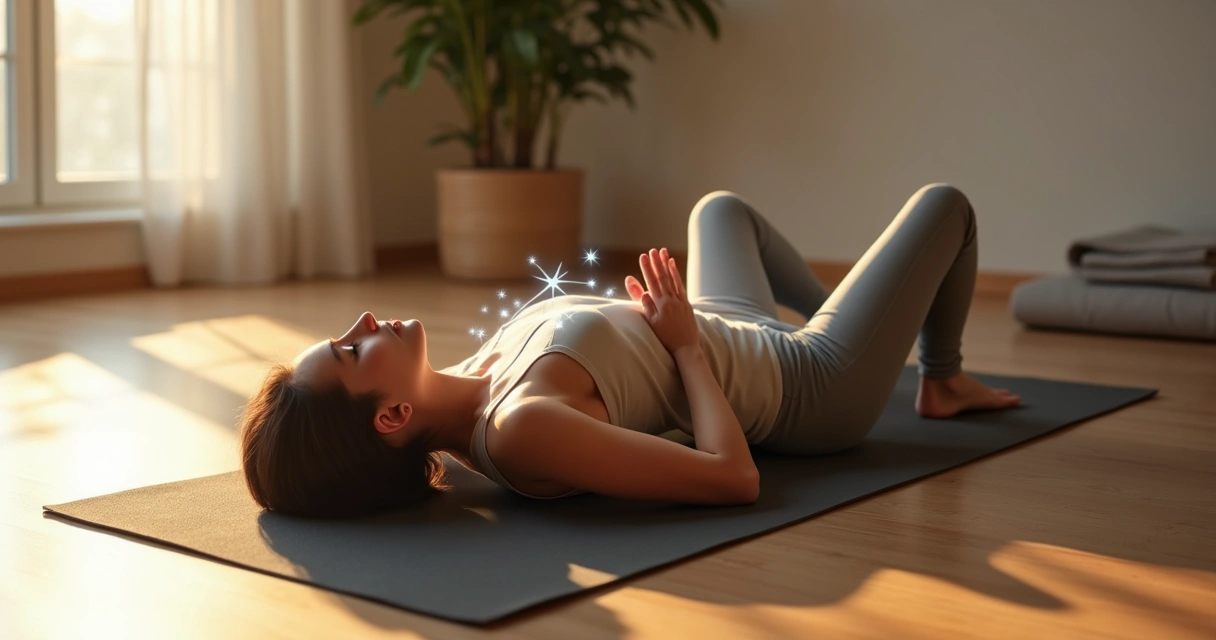
Body scan meditation is a guided process where we direct our attention to different parts of the body in sequence. The point is not simply to notice tension or relaxation; it is about observing bodily sensations without judgement. We invite every sensation, pleasant or unpleasant, to be present as it is.
When we pay close attention to our body, we often uncover patterns of tension or numbness we never noticed before. Some of us might experience tingling in our hands, a tightness in the chest, or coolness in the feet. Others may find zones with little to no clear sensation at all. This is all welcome.
There is no good or bad experience—just awareness.
We remind ourselves not to chase comfort, but to bring our curiosity to what actually is, right now.
The role of conscious breathing
Breathing is the bridge between body and mind. Conscious breathing means becoming aware of the flow of the breath, its rhythm and depth. By following the inhale and exhale, we naturally calm scattered thoughts, steadying our attention.
We have noticed that when the breath is shallow or tense, our minds follow suit, often becoming restless or anxious. Focusing on slow, rhythmic breathing can change this state, guiding us toward steadiness. When conscious breathing is integrated with the body scan, each breath helps us touch into the present, reinforcing our contact with bodily sensations.
Key benefits of combining these techniques
From our perspective, when body scan and conscious breathing are paired, the experience gains depth. Here are several effects we consistently observe:
- Reduces mental clutter: Sustained attention on both sensation and breath helps us step out of overthinking.
- Increases comfort with discomfort: Mindful contact with bodily tension teaches us not to resist discomfort but to meet it with kindness and patience.
- Improves emotional clarity: Noticing breath and body states can reveal hidden emotions or patterns.
- Supports restful sleep: Practicing these methods before bed can signal relaxation and readiness for sleep.
- Strengthens self-connection: This dual approach encourages an honest, caring relationship with ourselves.
These outcomes are not guaranteed after a single session—they grow with regular practice, just like any skill.
Preparing for your session
Before beginning, setting a clear intention matters. We recommend choosing a quiet space where interruptions are unlikely. Some prefer sitting upright; others lie down. Both are good choices—comfort is helpful but not mandatory.
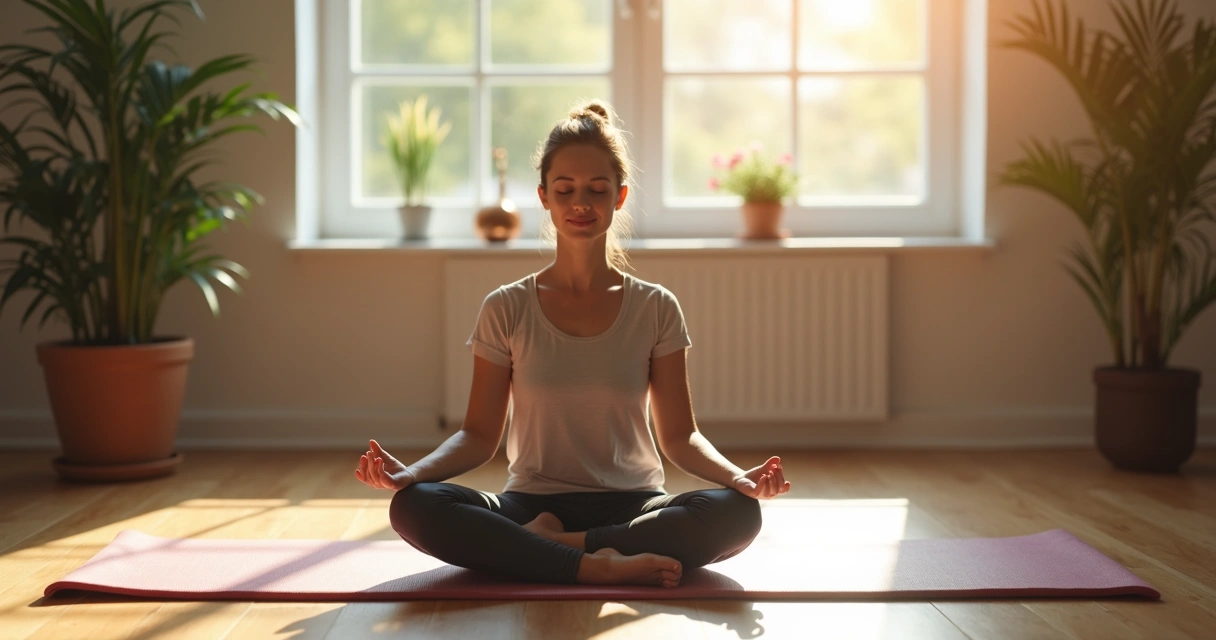
Devices go silent, and we may choose to close our eyes or lower our gaze. We remind ourselves: there is nowhere to get, nothing to improve. Now, we begin.
A step-by-step approach to body scan meditation with conscious breathing
In our usual approach, we combine the two practices this way:
- Initial grounding: Sit or lie down, bringing attention to your breath. Feel the natural rhythm of your inhales and exhales, without changing anything yet.
- Setting intention: We mentally acknowledge that this time is for being present with ourselves.
- Breath awareness foundation: For the next minute or two, focus on the sensation of breathing—air moving at the nostrils, the chest or belly rising and falling.
- Begin the scan: Start at either the crown of the head or the tips of the toes. Gently move attention through each segment of the body—forehead, face, shoulders, arms, torso, hips, legs, feet, and so on.
- Observe without changing: As you notice sensations—warmth, coolness, heaviness, or none—simply acknowledge them. Let them be. There is nothing to fix.
- Link sensation with breath: When you notice a sensation or area of tension, breathe in with gentle curiosity. On the exhale, allow that area to soften if possible. If not, just let it be as it is.
- Continue moving: Progress through the body. If the mind wanders, gently bring it back to two anchors: the breath and the body sensation you are aware of.
- Closing the practice: After the scan, broaden your attention to notice your whole body breathing. You might notice a general sense of calm or clarity. Open your eyes gently and re-enter your day, carrying some of the presence with you.
Practicing this sequence can last anywhere from five to thirty minutes, depending on available time. No step is hurried. We trust the process.
Troubleshooting common obstacles
Many of us run into these roadblocks during body scan meditation:
- Restlessness or impatience
- Doubt about "doing it right"
- Physical discomfort
When this happens, we gently remind ourselves:
Distraction is expected—coming back is the real practice.
If a sensation is hard to rest with, shifting attention to the breath can help. If a position is uncomfortable, small adjustments support kindness to yourself. And if critical thoughts appear, acknowledging them and returning focus works best.
Integrating the practice into daily life
We find more value when this practice is not confined to formal sessions alone. A brief scan of the body with conscious attention to breath can be done:
- Before important meetings or decisions
- When noticing a drop in mood or energy
- During daily transitions—after waking, before sleep, or before meals
Presence can begin with a single mindful breath.
Body scan and conscious breathing can become helpers we turn to throughout the day.

Conclusion
The union of body scan meditation and conscious breathing is a simple but powerful path for reconnecting with the present. We learn to attend to our inner world without judgement, allowing both comfort and discomfort to be seen. We believe that with regular practice, this approach can build the foundations for greater self-awareness, emotional clarity, and a more grounded way of living. The commitment is gentle, honest attention—one breath, one sensation at a time.
Frequently asked questions
What is body scan meditation?
Body scan meditation is a practice where we focus attention on different parts of the body in sequence, noticing sensations with openness and curiosity. The aim is not to change or judge what we feel, but to observe clearly and kindly, building awareness moment by moment.
How do I practice conscious breathing?
To practice conscious breathing, we direct our attention to the flow of breath as it enters and leaves the body, noticing depth, rhythm, and temperature. Following the breath for even a few minutes can invite calm and steady our focus, especially when we notice thoughts drifting away.
Can beginners try body scan meditation?
Yes, beginners are welcome to try body scan meditation. We suggest keeping sessions brief at first—five to ten minutes—and being patient with wandering attention. Kindness and curiosity are more helpful than expecting immediate calm or clarity.
How long should a session last?
Sessions can last anywhere from five to thirty minutes. The right length depends on our schedule and comfort, but we recommend starting short and gradually increasing as we grow more at ease with the process.
What are the benefits of combining both?
Combining body scan meditation and conscious breathing can help reduce mental clutter, increase comfort with discomfort, improve emotional clarity, support restful sleep, and foster self-connection. The experience is deepened because both techniques work together to ground us in present-moment awareness.