

When we think about breathing, water rarely comes to mind. We might focus on air quality or posture, but what about hydration? We tend to overlook the link between how much water we drink and how well we breathe. Yet, hydration and breath are in constant conversation within our bodies. The connection is more intricate than we might first believe. Over the years, we have seen that this link shapes not just physical comfort, but mental clarity and emotional steadiness as well.
Understanding how breathing works
Our breathing patterns are both automatic and deeply affected by the choices we make. Every breath cycles air through our nose or mouth, down the throat, into the lungs, and out again. With each step, moisture plays a part. The air we inhale is usually drier than the sensitive linings of our airways. These linings must humidify, filter, and warm the air before it enters our lungs.
Imagine a dry sponge: when deprived of water, it crackles, shrinks, and loses its flexibility. Similarly, when our airways lack moisture, things can feel rough. Mucous membranes dry out, and breathing can become less smooth. We may not notice it at first. The shift can be gradual—yet unmistakable when it arrives.
Why water matters for breathing comfort
Our airways need to be moist to work well. The fluid lining traps particles and keeps tissues flexible. This layer also helps move along dust or allergens that enter as we inhale. When we are hydrated, this process operates quietly and efficiently. Dehydration disrupts it, making us more sensitive to airborne pollutants or even the simple act of drawing a breath.
The smoothness of each breath depends on the invisible presence of water.
Have you ever woken up after sleeping in a heated room and felt a scratchiness in your throat? That sensation is a gentle reminder of how hydration—or the lack of it—affects our breath. Even small drops in body water can be felt through our breathing passages.
The science behind hydration and the respiratory system
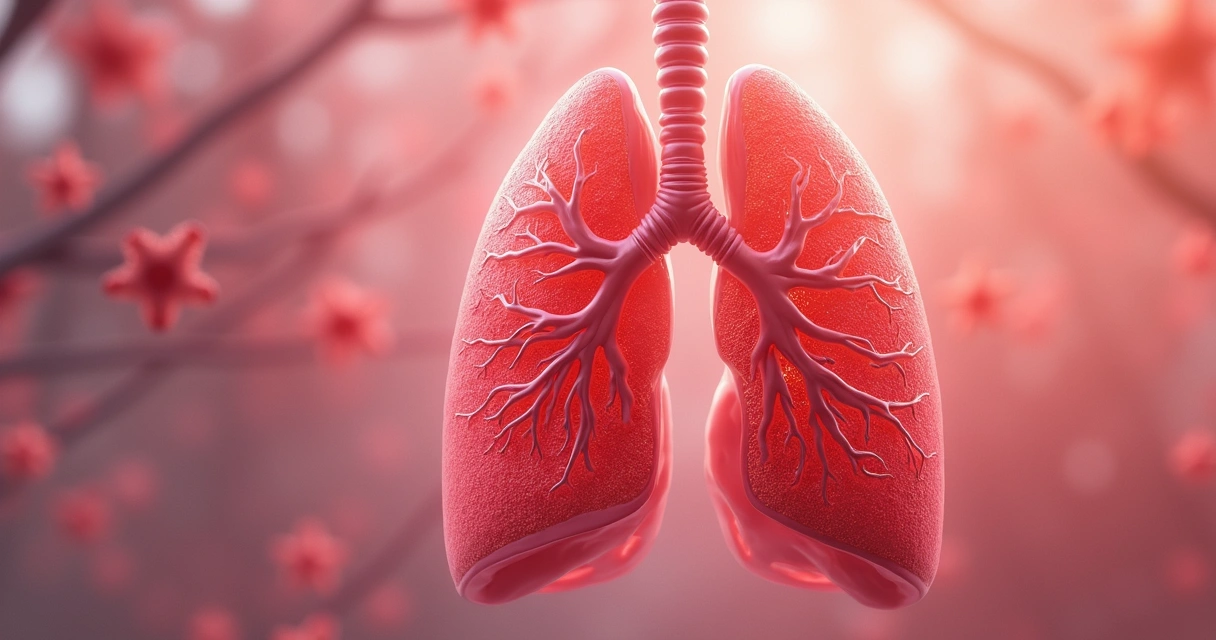
We spend a lot of time considering the mechanics of lung function, but let’s look closer at the chemistry. The lungs rely on a watery surface to complete their purpose. Gas exchange—where oxygen enters the blood and carbon dioxide leaves—happens at the boundary of that fragile, fluid layer. If it dries, things become less efficient.
Dehydration causes the mucus in our airways to thicken. That makes it harder to clear and easier for irritants to linger. For many, this means more coughing, that nagging “tickle” sensation, or even feeling short of breath after light activity. In our experience, the difference in breathing is staggeringly clear after a long walk on a hot day with too little water. The body quickly reminds us what it needs.
Other ways hydration influences breath
- Thirst can mask itself as a dry cough or throat clearing.
- Air feels warmer and stickier in the mouth and nose when you’re not properly hydrated.
- Proper hydration improves exercise tolerance and recovery by keeping the respiratory system running smoothly.
- Better hydration supports immune defense in the airways, making it harder for pathogens to take hold.
When we hydrate well, each breath seems effortlessly softer. We’ve noticed that even mental focus and mood benefit. As tiny as each drop is, together, they support deeper well-being.
Why dehydration makes breathing feel harder
It can be easy to underestimate the effects of mild dehydration. We might mistake symptoms as a passing irritation. However, the drying of our airways makes every breath feel like more work.
Some telltale signs emerge:
- Sticky or thick saliva.
- Dry mouth or lips, even after licking them.
- Frequent throat clearing.
- A tired feeling after talking a lot.
- Waking up with a sore or scratchy throat.
With time, reduced moisture makes it harder for cilia—the tiny hairs in our airways—to move mucus, dust, and germs. The environment becomes less friendly to cells and more welcoming to small problems that might otherwise be swept away. We have seen firsthand how even mild dehydration creates resistance in breath that vanishes after a glass or two of water.

Tips for supporting healthy breath through hydration
How much water do we really need to help our breath? There’s not a single answer, because every body is different. Yet, from years of observation and research, some guiding habits appear again and again.
- Drink throughout the day instead of all at once. Sipping keeps mucous membranes moist more steadily.
- Keep water visible—on a desk or countertop—to encourage regular intake.
- Use a humidifier in dry climates or indoors during winter to avoid excessive drying of airway linings.
- Eat water-rich foods such as fruits, vegetables, and soups. These contribute meaningfully to hydration.
- Check urine color for a quick gauge—light yellow is a sign of good hydration.
- Listen to your body. Thirst, dry lips, or that scratchy feeling are simple reminders.
- Be mindful after exercise, hot weather, or periods of focus, when water loss is faster.
Sometimes, simply pausing to drink water can restore a softer feeling in the throat and chest. We think this small attention, repeated many times, can shape how we experience each breath—and each moment.
Hydration rhythms and conscious breathing
We have noticed that conscious breathing techniques feel more effective when we are well hydrated. Breathwork, meditation, singing, or even public speaking all put extra stretch on the throat and lungs. Moisture makes it more comfortable and supports longer practice.
Breathing and taking in water share something even deeper: both are about tuning in. A sip of water and a slow breath each act as grounding rituals. They connect us to our body’s real state. When paired together, the relationship intensifies. We believe anyone who practices regular breath exercises gains more from the experience if hydration is remembered alongside technique.
Drink. Breathe. Notice how you feel. Repeat.
Conclusion
We often overlook the partnership between hydration and breath. Yet, each glass of water sets the stage for easier, clearer, and more comfortable breathing. The next time your breath feels a bit sticky or rough, consider water—not just as a drink, but as an invisible assistant in every inhale and exhale. In our view, attending to hydration is one of the simplest ways to support conscious breath and overall comfort. It is a quiet but powerful habit—one that strengthens presence, poise, and the way we move through each day.
Frequently asked questions
What is the link between hydration and breath?
The link is that hydration keeps the lining of our airways moist, making it easier for air to flow and for our respiratory system to clear out particles and irritants. When we are well-hydrated, our breathing feels smoother and more comfortable.
How does dehydration affect breathing?
Dehydration dries out the airway lining and thickens mucus. This can make the throat scratchy and the act of breathing less comfortable. Many people experience more frequent coughs, throat clearing, or a dry mouth. Drier airways can make each breath feel more effortful, especially during activity or in dry environments.
Can drinking water improve my breathing?
Yes, drinking water can help keep the airways moist and comfortable, which can reduce irritation and make breathing feel easier. This is especially true if you have just woken up, are speaking for long periods, or are exercising. Sipping water regularly is a simple way to support better breath.
What are signs of poor hydration in breathing?
Signs can include a dry or sticky mouth, frequent throat clearing, a persistent tickle in the throat, and sometimes a dry cough. If you notice that your breath feels rough or your voice is hoarse, this could also mean your body needs more water. Paying attention to these signals helps you respond before discomfort grows.
How to stay hydrated for better breath?
The best approach is to drink water regularly throughout the day, not just when thirst appears. Eating foods with high water content, using a humidifier if the air is dry, and setting reminders to sip water are helpful habits. Supporting hydration is a simple but effective way to help your breath feel more comfortable and natural each day.