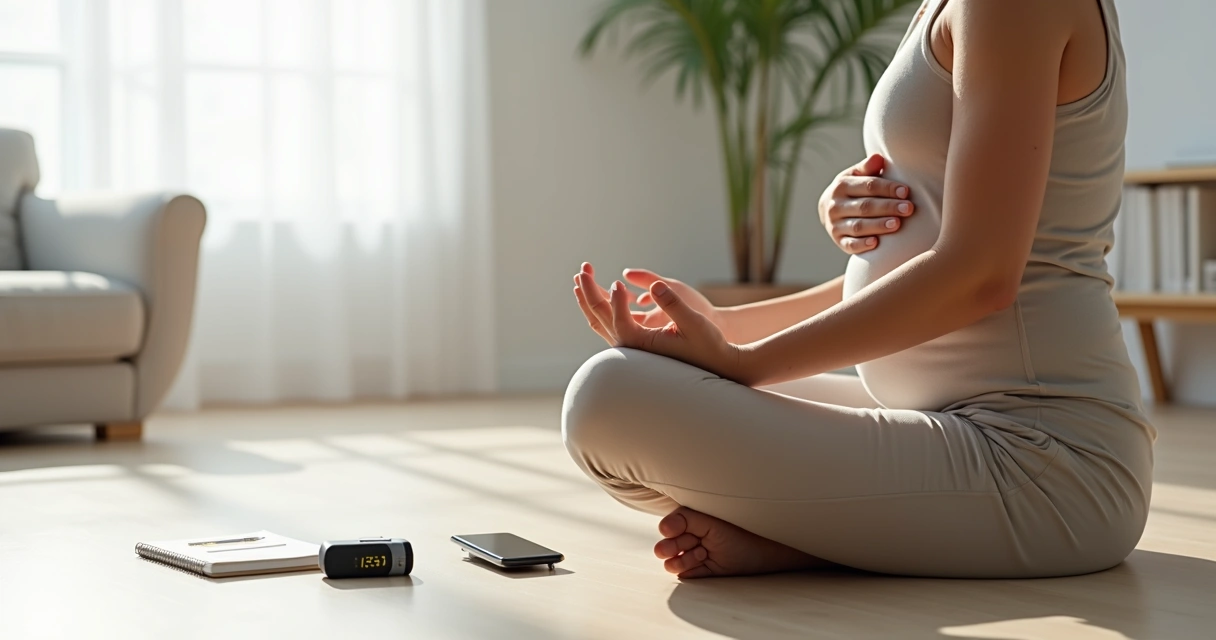
Breathing is with us every moment, but, in our experience, most of us rarely pay attention to the way we breathe until something feels off. Measuring the quality of our breath helps us connect with ourselves on a deeper level. Over time, we have noticed that understanding breath gives immediate feedback about stress, posture, and even overall vitality. But for beginners, this "invisible" function can seem like a mystery—how can qualities like smoothness, depth, or rhythm be measured?
Why measure breath quality?
The way we breathe reflects our state of mind, emotional balance, and even physical health. When we pause to notice our breath, we gain access to information that often goes unnoticed.
A quiet, steady breath is a window into quiet, steady living.
In our work, we see that people become more present, less reactive, and more in tune with their bodies simply by checking on their breath throughout the day.
What is "breath quality"?
We see breath quality as the sum of several factors:
- Breath rate: How many times you breathe per minute.
- Depth: How deeply air moves in and out.
- Rhythm: Whether your breath flows smoothly or is uneven.
- Effort: Whether you feel strain or breath flows with ease.
- Pause: Rests between inhale and exhale.
Breath quality means how smooth, deep, rhythmic, and relaxed your breathing is in daily life.
By measuring these aspects, we can spot trends—both good and bad. A shallow, fast breath may signal anxiety. A slow, deep breath can show calmness.
Benefits of measuring breath quality
Why spend time noticing or measuring the breath at all? We have seen several benefits:
- Self-awareness: People quickly notice how breath changes with thoughts, posture, or the tone of a conversation.
- Emotional regulation: Calmer breathing helps us soften reactions, pause, and adjust our responses.
- Stress management: Becoming aware of breath can reduce stress within minutes.
- Better health habits: Measuring the breath encourages better sleep, posture, and exercise.
Regular reflection on breathing becomes a tool for transformation. It is silent, always available, and tells the truth about how we feel in any given moment.
The foundation: Awareness before tools
Beginners often want to jump into gadgets or trackers. However, we have always observed that before using external tools, it is helpful to develop at least a basic habit of "breath awareness."
You can start by sitting quietly, closing your eyes, and noticing the rise and fall of your breath. Ask yourself:
- How fast is my breath?
- Does it feel tight or easy?
- Can I sense it in my chest, stomach, or nose?
Breath awareness is a skill you carry in every situation.
Manual methods: How to measure breath without devices
While technology is exciting, our own attention is always free and reliable. For beginners, three hands-on methods make a good starting point.
- Breath counting: Set a timer for one minute. Count each complete breath (inhale plus exhale). The typical range is 12-20 breaths per minute. Children often breathe faster.
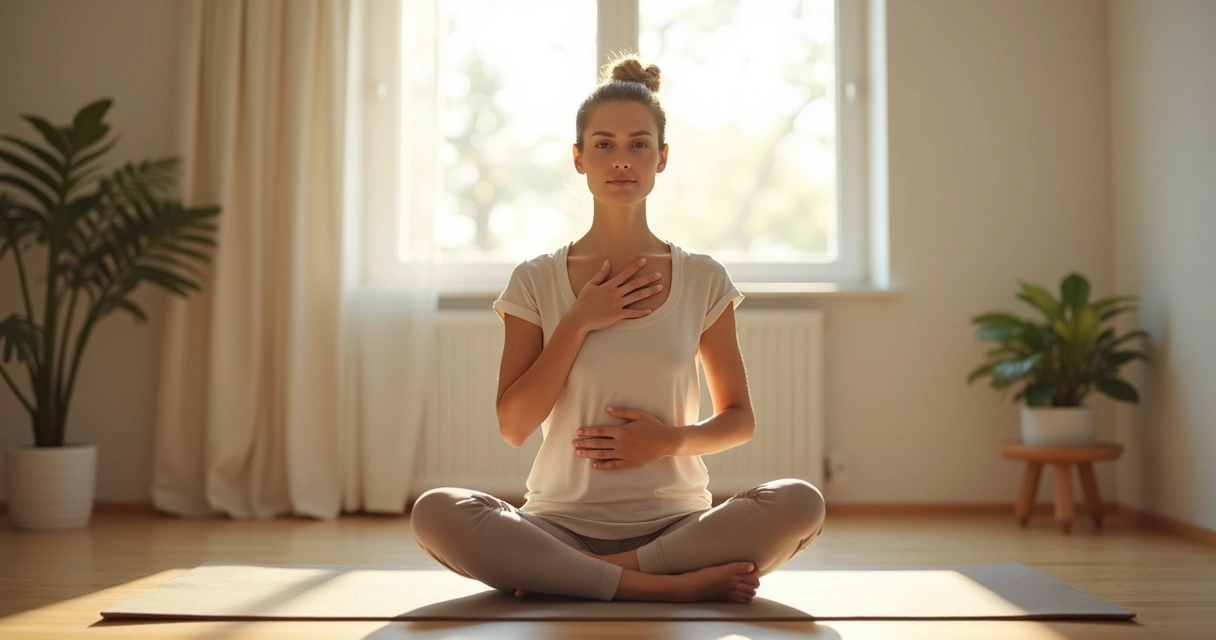
- Hand on belly technique: Place one hand on the chest, one on the belly. Breathe naturally. If your belly rises more than your chest, your breathing is likely deep. If only your chest moves, your breathing may be shallow.
- Breath holding time: Take a comfortable breath in, then exhale. Pinch your nose and time how long you can comfortably hold your breath (do not strain). Many healthy people can hold their breath for 20-40 seconds without discomfort.
We encourage you to try these methods at the start and end of your day for a week. Small shifts can lead to big insights.
Simple tools for beginners
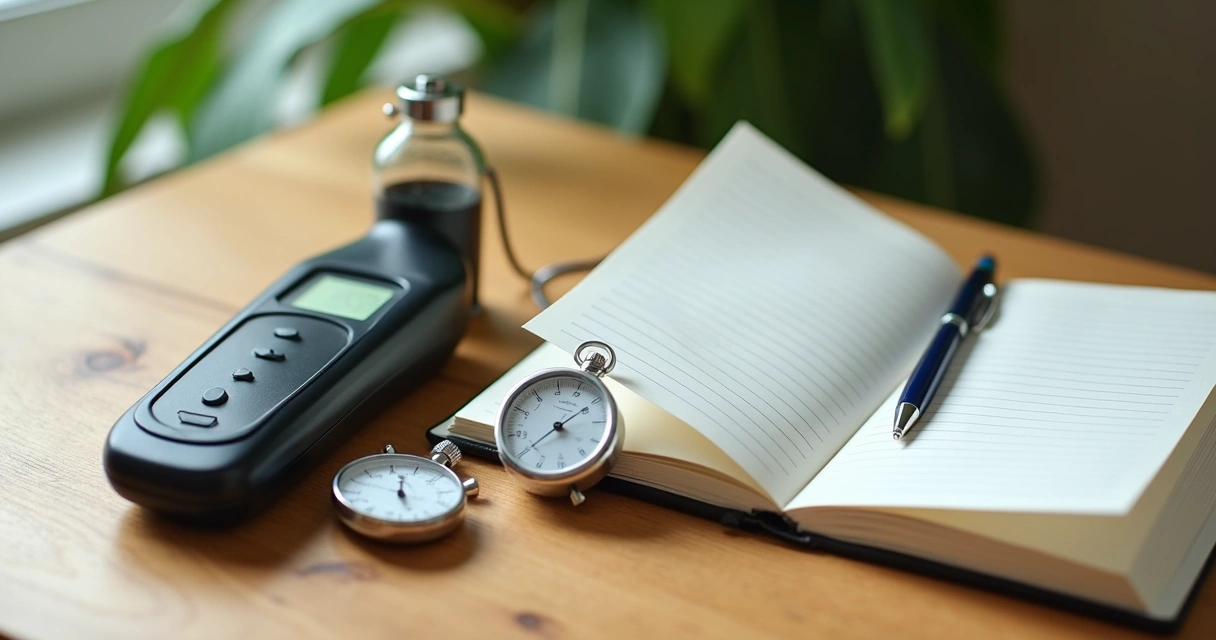
Eventually, many people ask if there’s a way to measure breath more precisely. While expensive tools exist for clinics, several beginner-friendly options help track progress or build new habits.
- Timer or stopwatch: Used with the breath counting method, a timer helps track breath rate and breath holds.
- Notebook or app: Recording your breath rate, depth, or rhythm during stressful or relaxed moments can reveal patterns over time.
- Light resistance devices: Some simple tools offer feedback by providing gentle breathing resistance, helping you build lung awareness.
- Personal breath analyzers: Small handheld devices can measure carbon dioxide levels or airflow. Advances have made these more accessible, with display screens showing breath rates or quality scores.
Simple tracking, done each day, is often more effective than complex measurements.
What do breath measurements tell us?
Numbers alone are just numbers. We have learned the value is in interpretation. Here’s what measurements can reveal:
- Lower breath rates (under 12/minute) in adults may reflect well-trained breathing or high fitness, but sometimes also tiredness.
- Higher rates (over 20) often mean excitement, stress, or shallow breathing. If you see this regularly, consider ways to slow and deepen your breath.
- Short breath holding times (under 15 seconds) may reflect stress or low fitness. In our experience, most people improve these numbers with practice.
- Inconsistent rhythms can indicate unrest—most people benefit from smooth, unforced breath patterns.
But, we recommend seeing breath numbers as "signals," not "scores." Judging too harshly can create more tension. Looking for gradual trends is best.
Tips to create a simple breath measurement routine
Habits form when routines are simple and pleasant. We suggest:
- Pick a set time each day (like after waking or before bed).
- Start with just one or two methods—such as counting breaths and hand on belly.
- Record your numbers or impressions in a designated notebook or app.
- Look for patterns, not perfection.
With a little practice, measuring your breath becomes a moment of self-check—a pause, rather than a chore.
Going deeper: When to consider advanced measurement
As we gain confidence with basic techniques, we might want to learn more. Some people, especially athletes or those with health concerns, choose commercial devices that offer data such as oxygen saturation (SpO2), heart rate, or carbon dioxide.
For the casual beginner, these are rarely necessary. But if you’re interested, check for ease of calibration, user reviews, and how well the device connects with your daily habits.
Conclusion
Measuring breath quality is less about numbers than it is about insight and presence. With simple tools—our attention, a timer, and possibly a notebook—we can invite steady change into our lives. Over time, clear, relaxed breathing supports not just physical processes, but the quality of our relationships, work, and rest.
True change starts with a single breath.
Frequently asked questions
What is breath quality measurement?
Breath quality measurement is the process of observing and recording aspects like breath rate, depth, rhythm, and ease to understand overall well-being and emotional balance. It helps individuals recognize patterns in their breathing and make small positive changes.
How can I measure my breath quality?
You can measure your breath quality using simple techniques such as counting your breaths per minute, observing the movement of your chest and belly, and timing how long you can comfortably hold your breath. Writing these results down over time helps track progress and spot changes.
What tools are best for beginners?
Beginners often benefit most from simple tools: a timer or stopwatch, a notebook to record breathing patterns, and breath awareness exercises like the hand on belly technique. More advanced tools like personal breath analyzers can be explored later if deeper information is desired.
How much do breath analyzers cost?
Personal breath analyzers vary widely in price, from affordable basic models to more expensive versions with digital displays and extra sensors. As of now, basic models can start at a low price point, while advanced versions can be several times higher. Most beginners do not need a breath analyzer to start measuring breath quality.
Is it worth it to measure breath?
Measuring breath can help boost self-awareness, manage stress, and encourage healthier daily habits. For many, the simple act of paying attention to breathing brings unexpected benefits without any cost or gadget required.