
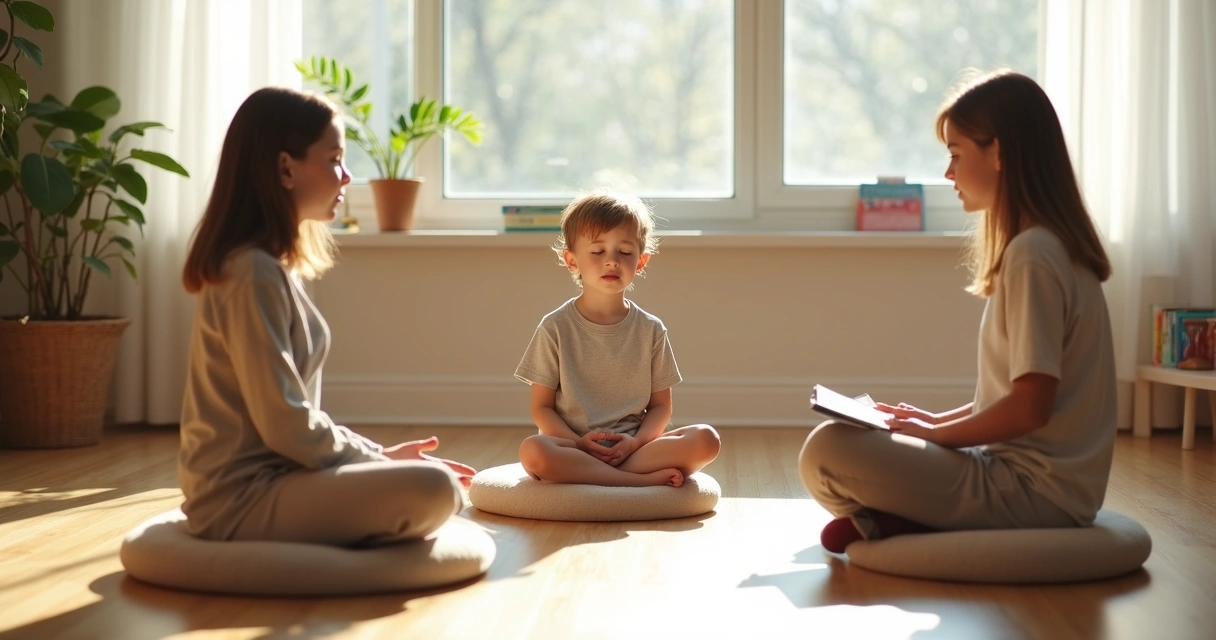
Teaching mindfulness to children can be a rewarding experience for everyone involved. We find that the benefits ripple far beyond the classroom or home and touch every aspect of a child's life. Yet, introducing mindfulness to children is not as simple as reciting a script or following a set curriculum. In our experience, certain mistakes can undermine the effectiveness of even the most well-intentioned mindfulness efforts.
Misunderstanding what mindfulness is
Sometimes, adults themselves carry a limited or mistaken idea of mindfulness, and this confusion trickles down to their teaching.
- Seeing mindfulness only as “sitting still” or “emptying the mind” can create frustration for children who naturally move and whose thoughts flow freely.
- Equating mindfulness with perfect calm can set unrealistic expectations. Instead, mindfulness is about noticing what is happening, inside and out, without judgment.
- Using complex language or abstract ideas can make it difficult for children to understand what mindfulness really means.
We believe that presenting mindfulness as a way to notice our thoughts, feelings, and sensations helps make this practice accessible and meaningful. If we misunderstand the basics, children may see mindfulness as boring, confusing, or even a punishment.
Forcing mindfulness practices
Imagine telling a group of energetic children to sit silently with their eyes closed for ten minutes, with no explanation or choice. We have seen this approach turn eager learners into reluctant participants. Forcing mindfulness takes away the sense of curiosity and openness that lies at its heart.
Choice invites participation. Force breeds resistance.
Some signs of forcing practices include:
- Demanding complete silence and stillness, regardless of a child’s age or disposition
- Punishing children for “failing” at mindfulness or not following exact instructions
- Insisting that all children join every activity, every time
We have found that inviting, modeling, and gently guiding children, while allowing some freedom, encourages much deeper engagement than rigid enforcement.
Neglecting adaptation for age and context
Children do not learn or experience mindfulness the same way adults do. One-size-fits-all lessons often fall flat. In our practice, adapting for age and individual context is key to keeping mindfulness meaningful and engaging.
- For young children, lessons often need to be short, active, and playful. Imaginary journeys, mindful movement, or games can work well.
- Older children may benefit from more structured exercises, body scans, or journaling, but attention spans and interests will still vary.
- Ignoring cultural background, neurodiversity, or emotional needs can alienate children and remove the sense of safety that mindfulness is meant to foster.
We adjust our language, the length of each exercise, and the sensory elements involved so that the activities feel natural and genuinely helpful to the group we are working with.
Overlooking modeling and consistency
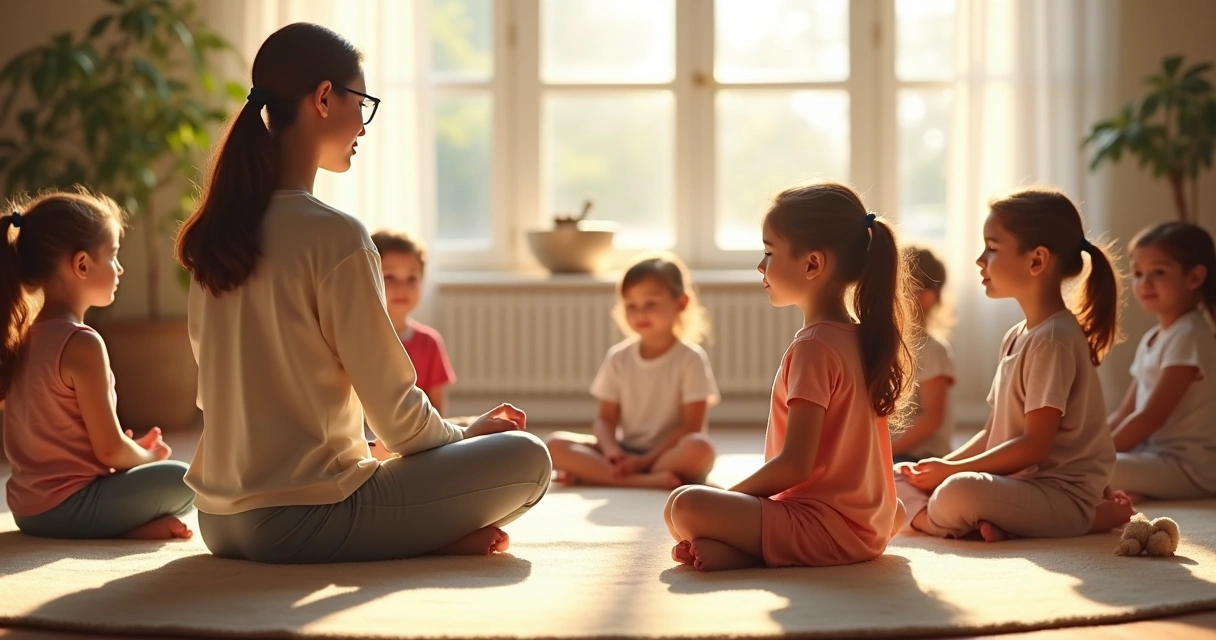
Children learn not just by listening, but by watching. If we speak about mindfulness but never practice it ourselves, the message loses potency. Inconsistent or hypocritical modeling can confuse children. The lesson rings hollow if we suggest pausing to breathe, but always act in a hurry ourselves.
Consistency, patience, and genuine participation from adults build trust and demonstrate mindfulness in real life.
- Practicing right alongside children, admitting when we are distracted or frustrated, and returning with kindness to the present moment together
- Building short mindfulness moments into the daily routine, not leaving it as a one-off event
- Letting our own imperfections show, and turning them into opportunities for mutual growth—not lectures
This approach helps children see that mindfulness is not just an activity, but a practical tool for every day.
Focusing too much on outcomes
It’s tempting to expect fast changes: calmer kids, better moods, less conflict. But when mindfulness is taught only as a means to an end, children feel judged or pressured to perform. We believe this attitude drains the practice of its heart and makes it harder for children to enjoy or trust it.
Process matters more than quick results.
Common outcome-focused mistakes include:
- Measuring children’s “success” based on how still or quiet they are
- Making mindfulness all about grades, behavior, or compliance
- Praising only “perfect” participation, which can embarrass or exclude children whose minds or bodies are busy
We find that celebrating effort, curiosity, and small moments of awareness fosters a positive relationship with mindfulness.
Ignoring emotional safety and readiness
Some children carry worries, trauma, or big emotions that can come to the surface during mindfulness. If we skip over emotional safety, we risk making mindfulness a source of stress rather than relief.
Signs that emotional safety is being ignored may include:
- Pressing children to share thoughts or feelings before they are ready
- Brushing aside distress or discomfort that surfaces during a practice
- Assuming all children have similar capacity to notice feelings and stay present
We provide plenty of reassurance that any feeling or experience is welcome. We suggest having options for children to step out or do a gentle movement practice if they feel overwhelmed. Regular check-ins, validating words, and flexibility enable us to build trust and provide support when it is needed most.
Neglecting to make mindfulness activities interesting
Children’s minds are active, creative, and easily distracted. Dry, repetitive practices can bore them or make mindfulness feel like another rule to follow.
We keep mindfulness fresh and appealing by:
- Rotating different activities, such as mindful listening, walking, drawing, or using props
- Incorporating playfulness and the senses—sometimes that means outdoors, sometimes messy art or silly stories
- Letting children create their own mindful games, or bring in their favorite objects as “focus friends”
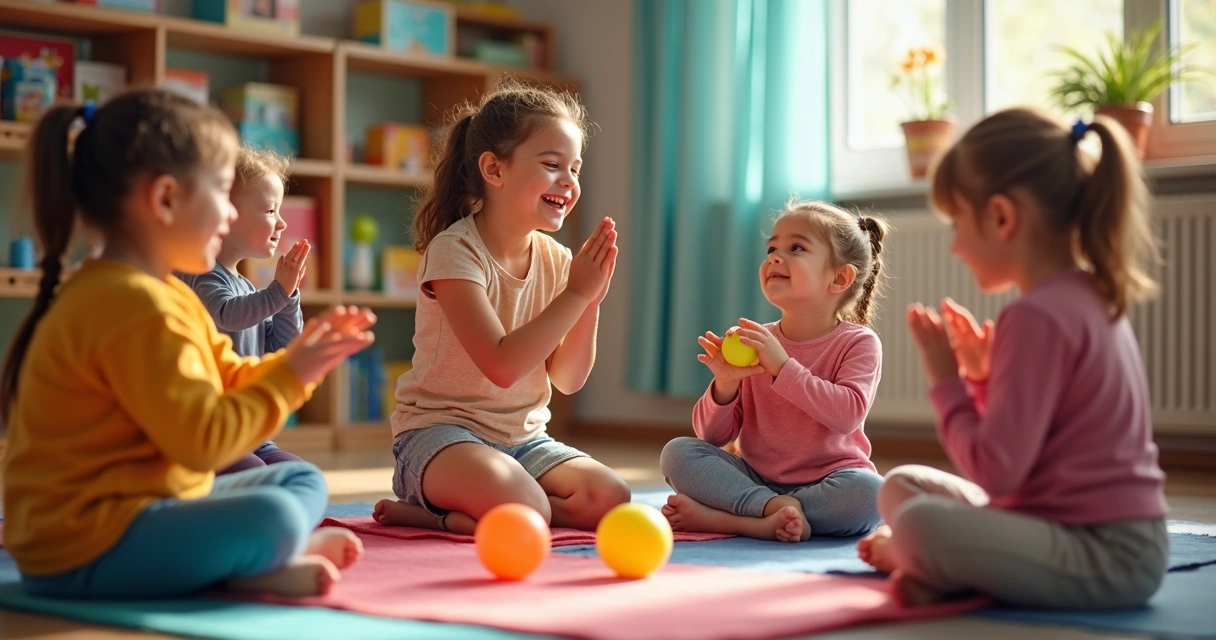
When we make practices enjoyable and varied, children are much more likely to participate willingly—and to carry mindful moments into their everyday lives.
Conclusion
Bringing mindfulness to children is about more than teaching techniques. It is about meeting children where they are, honoring their emotions, respecting their pace, and making each moment meaningful.
We find that true mindfulness teaching is rooted in kindness, patience, and curiosity—qualities that shine through when we avoid these common mistakes. When we lead from this place, children can learn to develop inner awareness and presence in a way that feels natural, safe, and empowering.
Frequently asked questions
What is mindfulness for children?
Mindfulness for children means helping them pay attention to their thoughts, feelings, and body sensations in the present moment, without judgment. It’s a gentle way to notice “what’s happening now”, whether they are happy, sad, excited, or calm. Mindfulness does not mean forcing a child to be quiet or still, but rather guiding them to become aware of themselves and their surroundings in a kind, curious way.
How to teach mindfulness effectively?
We teach mindfulness best by modeling it ourselves, using age-appropriate language and activities, and inviting participation rather than demanding it. Activities can include mindful breathing, movement, listening, or even creative play. We find shorter practices work better for younger children, and it helps to keep sessions playful and varied.
What mistakes should I avoid?
Some common mistakes to avoid are forcing practices, expecting instant results, using complex explanations, neglecting emotional safety, and failing to adapt activities to children’s needs. It is also unhelpful to use mindfulness as a disciplinary tool or to focus only on performance. The most positive outcomes come from making the experience fun, supportive, and relevant to each child.
How can I keep kids engaged?
We keep kids engaged by mixing up activities, using storytelling, movement, art, and sensory props, and by letting children share ideas for practices. Remembering to focus on the process rather than the result also encourages ongoing participation. Offering choices, making activities light-hearted, and celebrating participation (not just “success”) all help to maintain interest.
What are the best mindfulness activities?
Some favorite mindfulness activities include:
- Breathing with a stuffed animal on the belly (“breathing buddy”)
- Mindful listening to sounds around the room
- Guided imagery stories or mindful walks
- Expressing feelings through drawing or clay
- Simple yoga or stretching with attention to breath
We suggest choosing activities that are active and creative, especially for younger children, and paying attention to what helps each child focus and feel comfortable.