
Holding our breath is something we all do, often without even thinking about it. From childhood games of seeing who can last the longest, to deliberate practices in yoga, sports, and calming anxiety, breath holding carries its fair share of stories. We have heard whispers about its dangers, its supposed superpowers, and everything in between. But what is myth, and what does science actually say? Here, we shine a light on the facts. We unravel the most common assumptions, comparing them with what research and real human experience reveal.
Why people hold their breath
We see breath holding in many parts of life. Sometimes it is deliberate: swimmers trying to cross a pool underwater, actors preparing for stage voice control, or people practicing meditation. Other times, it happens in stressful moments, a reflex when startled, or while concentrating deeply.
- Some pursue it for the sense of control it gives.
- Others hope to improve lung function or manage stress.
- Occasionally, breath holding is used in therapeutic exercises for anxiety or as part of athletic training.
Our urge to hold our breath is both physical and mental. It is a bridge between conscious and unconscious functions, and that is one reason myths grow so easily around it.
Common myths about holding your breath
Not everything we have been told about holding our breath stands up to evidence. Let us look at some of the most persistent myths.
Myth 1: Holding your breath kills brain cells
One idea is that even short periods without breathing will starve our brains of oxygen, leading to immediate brain cell death. We understand the worry, since oxygen is critical for brain function. However, this belief is exaggerated.
Short-term breath holding does not destroy brain cells in healthy people.Our bodies have backup systems and a natural urge to breathe long before any actual damage happens. Only extreme, prolonged deprivation under unusual circumstances causes harm. Normal, voluntary breath holds during daily activities or calm practice are not dangerous for the brain in this way.
Myth 2: You can pass out and never wake up
This myth is common among parents and those unfamiliar with how the body handles breath holds. The fear is that if someone faints from holding their breath, they might not resume breathing at all.
Our bodies are deeply protective of life.
When we faint from lack of oxygen, the body’s automatic systems will normally make us breathe again as soon as we lose consciousness. This basic reflex kicks in powerfully. The scenario of fainting and never recovering simply does not match how human physiology works outside of unusual medical events.
Myth 3: Breath holding trains your lungs to get bigger
We frequently hear claims that by holding our breath longer and longer, we can physically expand our lungs or increase lung capacity far beyond what genetics allows. Is this accurate?
Breath holding alone does not enlarge lungs, but it can improve control and efficiency of breathing.Regular, safe practice helps train the diaphragm, improves how we use the air we take in, and may increase tolerance for higher levels of carbon dioxide. However, lung capacity increases are modest, and mostly due to better technique and muscle control rather than physical lung growth.
Myth 4: Holding your breath is always risky
Some believe that all forms of breath holding are dangerous and should never be practiced. While there are circumstances where holding your breath can pose risks, especially underwater or for people with medical problems, in general, brief and mindful breath holding is safe for most healthy adults.
The context matters: underwater settings and some health conditions do change the risk profile, but not all breath holding is unsafe.Problems mainly arise in reckless situations, like hyperventilating before swimming or ignoring one’s natural urge to breathe for long stretches. With awareness and sensible limits, intentional breath holding can be part of wellness and sports routines.
Myth 5: You can "reset" your body or mind just by holding your breath
From claims about stopping hiccups to suggestions that breath holds can “reset” stress or emotions, this is a popular belief. The science is more nuanced.
While delaying a breath briefly can help in calming anxiety for some, it is not a magic switch that instantly “fixes” your body or brain. Benefits come mostly from the awareness and control that mindful breathing brings, not from breath holding itself alone.
What actually happens when we hold our breath?
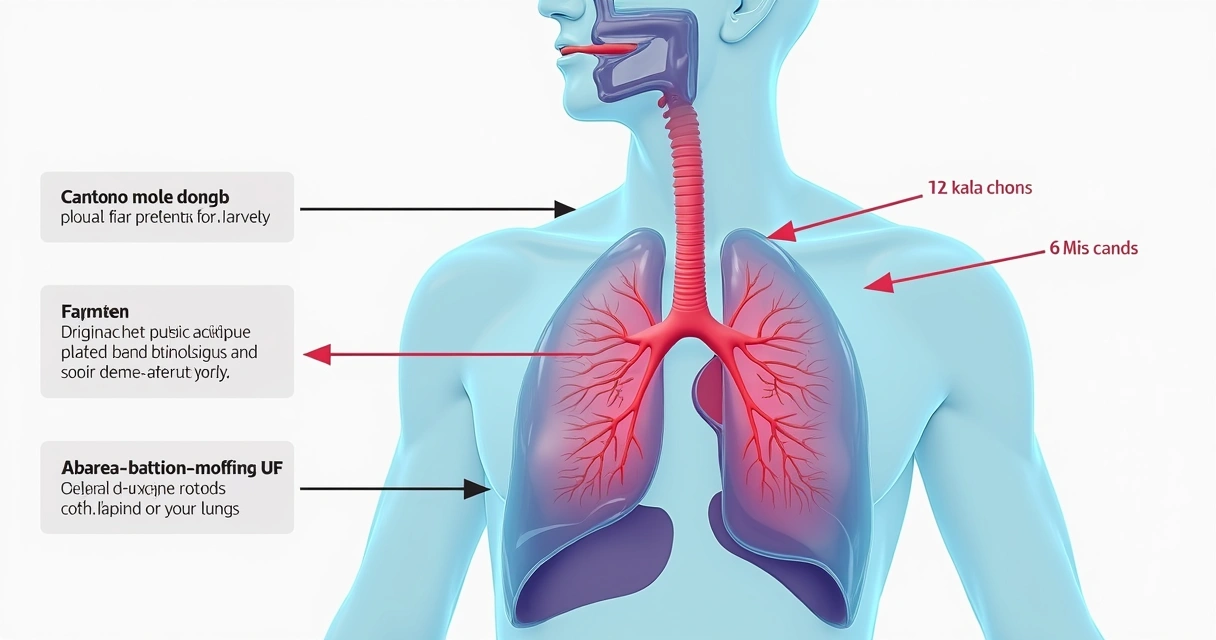
When we stop breathing, carbon dioxide (CO2) in our blood starts to rise. This increase, not a drop in oxygen, is what triggers the strong urge to breathe again. For most people, this urge is powerful long before any danger occurs.
- Breath holding increases CO2 and decreases oxygen slowly; the distress we feel comes from CO2, not immediate lack of oxygen.
- For healthy people, the body forces a breath long before oxygen is at dangerous levels.
- The heart rate slows, and focus may increase for a short time.
- With regular, gradual practice, it is possible to increase the time we can hold our breath, mostly by getting used to discomfort.

In special cases, such as stressed individuals, children, or those with certain illnesses, the body may react differently. That is why breath holding should always match your personal context.
The science behind safe breath holding
Research shows that most healthy adults can safely hold their breath for 30-90 seconds, and with gentle training, some can stretch this to a few minutes. Elite divers can do much more, but that involves careful technique, not just “toughing it out.”
Practicing breath holding in a safe environment, while seated and relaxed, carries few risks for healthy people.Problems usually come when mixing breath holding with risky activities, like swimming alone, or when someone forces themselves far beyond what is comfortable. It is not about chasing records, but about connecting with breathing as a way to develop self-control and presence.
Real benefits of mindful breath holding
So what good can come from breath holding, according to practical experience and research?
- It can help us become more aware of our body’s natural signals.
- Practiced with care, it may contribute to a sense of calm and improved focus.
- It can gently encourage better coordination between lung, diaphragm, and mind.
We often find that integrating conscious breath holds in breathing practices allows people to notice their own patterns of tension and to find a bit more mental space in the busy moments of daily life.
Practical tips for safe breath holding
If you are curious to try gentle breath holding as part of your breathing practice, here are a few guidelines we suggest:
- Always sit or lie down in a safe spot.
- Start with short, easy holds, 5 to 15 seconds.
- Breathe in and out naturally before and after; never hyperventilate.
- Stop if you feel dizzy, stressed, or uncomfortable.
- Avoid practicing near water alone, or if you have a heart or lung condition without your doctor’s ok.
Listening to your body is the safest path.
Conclusion
We believe that much of what is passed around about holding your breath comes from fear, misunderstanding, or wishful thinking. Science, personal experience, and careful observation teach us that short, mindful breath holds are not dangerous for most healthy people, they can even help us know ourselves better. What really matters is setting aside the myths, using care, and respecting your body’s signals in all things related to breathing and presence.
Frequently asked questions
What is the longest safe breath hold?
For most healthy adults, safe breath holding is between 30 and 90 seconds. Well-trained divers can exceed several minutes, but this is achieved through specific techniques and under supervision. Longer holds should only be attempted in controlled environments, and pushing limits alone can be risky.
Can holding your breath damage health?
Short-term breath holding in healthy individuals is generally safe and does not cause long-term harm. However, forced or excessive breath holding, especially in people with heart, lung, or anxiety issues, can be risky. Listening to your body and stopping if you feel unwell is always best.
How do you train breath holding safely?
Start sitting or lying in a safe place. Take calm, normal breaths, then gently hold your breath for a few seconds and release. Increase the time step by step, without straining or forcing yourself. Never hyperventilate, and always train away from water unless supervised.
Are breath holding myths true or false?
Most breath holding myths are either exaggerated or untrue for healthy people. Claims about instant brain damage, lungs growing much larger, or guaranteed dangers from short holds do not reflect scientific evidence. Always check reliable sources and listen to your own body.
Is holding your breath good for you?
When done safely and mindfully, breath holding can support awareness, focus, and calmness. It is not a magic health cure, but can be part of balanced breathing habits. Its value comes from building awareness and self-control, not from how long you can hold your breath.