We often think of breathing as automatic. It happens on its own, so we assume it sits outside our emotions, habits, and self-view. In our experience, that is not true. The way we see ourselves can shape the way we sit, hold tension, react to stress, and notice what happens inside the body. Breath awareness is part of that inner picture.
Self-image can affect breath awareness because the mind and body respond together.
We may notice this in simple moments. A person walks into a room and feels judged. Their chest tightens. Their belly stops moving. Their breath becomes small, fast, and high. Nothing attacked them physically, yet the body prepared for threat. That reaction often begins with self-image. If we expect rejection, shame, or failure, breathing changes before we even think about it clearly.
That is why breath awareness is not only about technique. It is also about perception. When our self-image is rigid or harsh, it becomes harder to feel the body with honesty. We may ignore tension, control the breath too much, or avoid noticing discomfort.
The breath reflects how we relate to ourselves.
How self-image enters the body
Self-image is the story we carry about who we are. It includes how we judge our appearance, value, ability, and place in the world. These views do not stay in thought alone. They often show up in posture and breathing patterns.
When we feel confident and safe, breathing tends to be fuller and easier. When we feel exposed, inadequate, or ashamed, the body may contract. We might lift the shoulders, tighten the jaw, or hold the stomach in. Over time, these habits can make natural breathing harder to sense.
We have seen this in very ordinary settings:
Speaking in public while fearing negative judgment
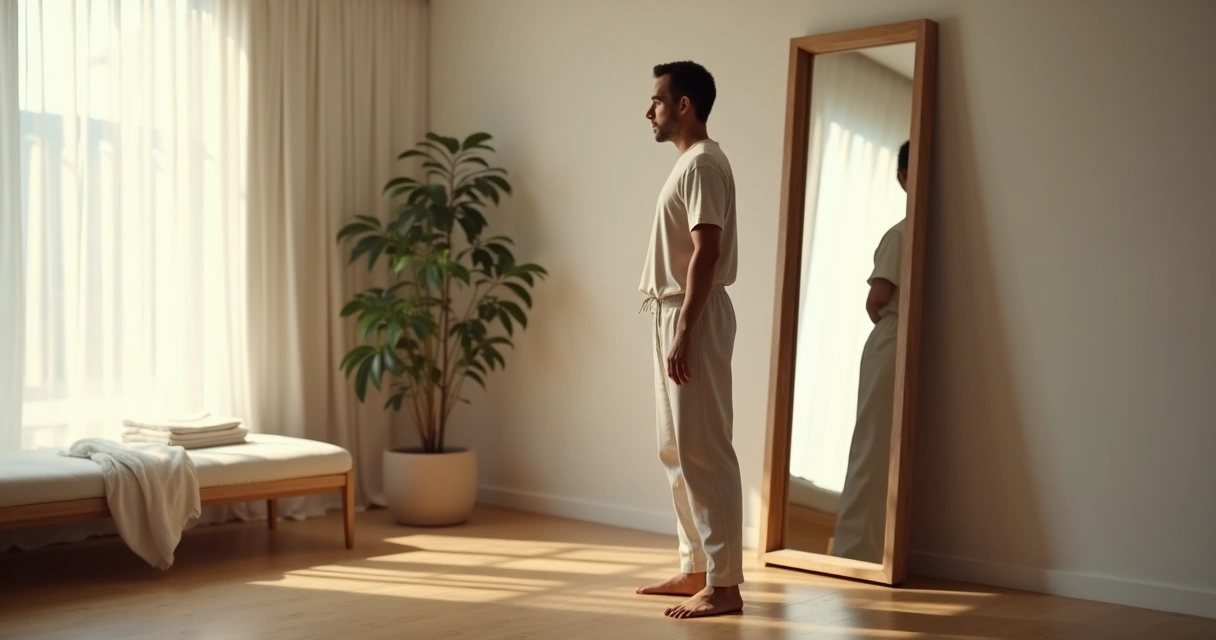
Looking in a mirror and reacting with self-criticism
Sitting in a group while feeling socially out of place
Trying to appear calm while feeling tense inside
In each case, the body may become guarded. The breath then follows that guard.
Negative self-image often leads to protective body patterns, and those patterns can reduce breath awareness.
Why breath awareness becomes harder
Breath awareness means noticing the breath as it is. Not forcing it. Not judging it. Just feeling the rhythm, depth, pace, and location of movement. That sounds simple, but for many people it is not easy.
If we carry a critical self-image, inner observation can feel unsafe. The moment we pay attention inward, judgment arrives. We may think, “I am doing this wrong,” or “My breathing should be deeper,” or “Why am I so tense?” Instead of awareness, we create pressure.
This matters because awareness needs some degree of acceptance. Without it, attention becomes control.
We also see another pattern. Some people disconnect from body signals because they learned to live mostly in the head. They can explain their feelings well, but they struggle to sense the breath in real time. This disconnect may come from stress, but it can also come from long periods of self-rejection.
What the body can teach us
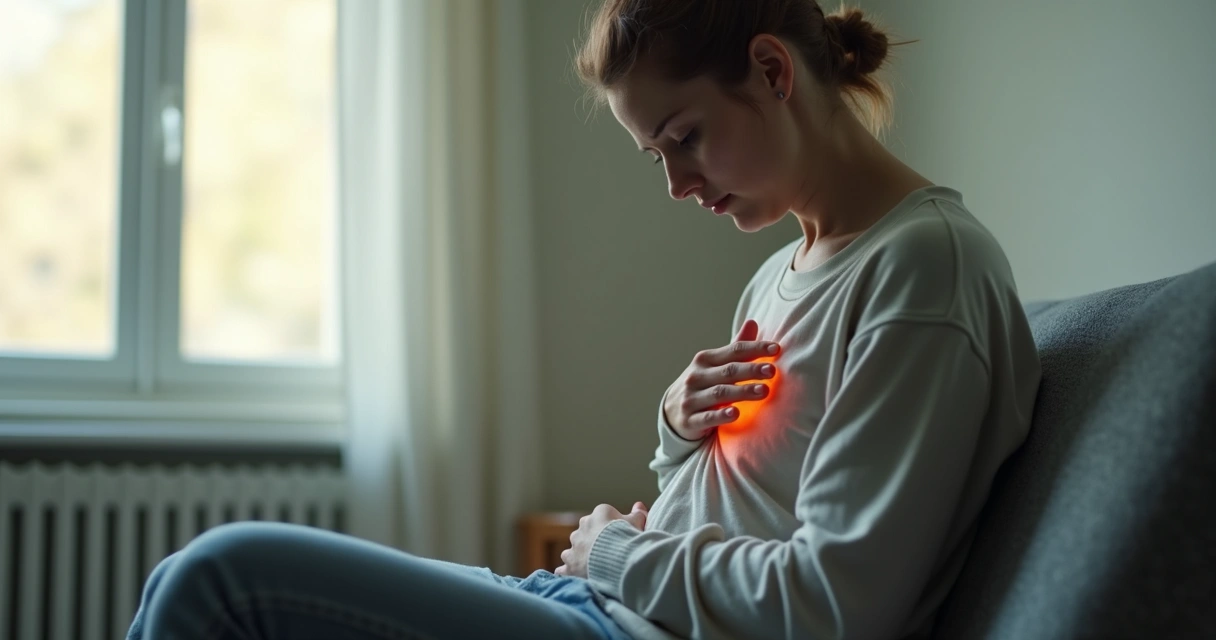
When we begin to observe breathing without force, we often learn more than expected. We may find that our breath shortens around certain people. We may notice that self-criticism appears before breath holding. We may even see that trying to look “in control” makes the body less free.
This is not a failure. It is useful information.
In our view, the body is honest. It shows what the mind tries to hide. A person may say, “I am fine,” while breathing in quick bursts. Another may say, “I feel calm,” while the abdomen stays rigid. Breath awareness helps us detect these gaps with more sincerity.
Research also supports a link between internal awareness and self-related measures. In a study on interoceptive awareness and self-image, stronger attention regulation and greater trust in bodily sensations were linked with self-esteem and self-efficacy. We think this matters because breath awareness is part of interoception. When we trust inner signals more, we often relate to ourselves in a steadier way.
Signs your self-image may be shaping your breath
Not everyone notices the pattern right away. Still, there are some signs that can point to it. We suggest watching for these with curiosity, not blame.
You often suck in the stomach, even when relaxed
You feel embarrassed by natural body movement during breathing
You judge your breath the moment you try to observe it
You breathe more freely alone than around other people
You confuse controlled breathing with calm breathing
These habits can be subtle. Some begin in childhood. Others grow from social pressure, body shame, or repeated stress. Over time, they can become so normal that we no longer notice them.
What feels normal is not always natural.
How to rebuild a healthier connection
The good news is that breath awareness can improve when self-image softens. We do not need a perfect self-view for that. We just need more honesty and less inner attack.
A helpful start is to shift the goal. Instead of trying to breathe “better,” we can try to notice more clearly. That small change reduces pressure.
We find that a simple sequence helps:
Sit or stand in a position that does not force the body.
Notice where the breath moves most, chest, ribs, belly, or throat.
Observe any urge to correct or judge it.
Let one exhale become slightly longer without strain.
Pause and ask, “What am I feeling about myself right now?”
This last step can be revealing. Sometimes the breath is not blocked by poor technique. Sometimes it is blocked by fear, image management, or self-protection.

Making awareness kinder
Many people quit body awareness because they meet themselves too harshly there. We understand that. If inner observation becomes another place for self-criticism, it will not last.
Breath awareness grows more easily when we replace judgment with simple noticing.
We can say, “My breath is tight right now,” instead of, “I am bad at this.” We can say, “I feel guarded,” instead of, “I should be over this.” These are small language shifts, but they change the tone of awareness.
With time, that tone matters. A kinder self-image does not only improve mood. It can also make the body feel safer to inhabit. And when the body feels safer, breath often becomes more visible, more natural, and less forced.
Conclusion
Yes, self-image can affect breath awareness in direct ways. It shapes posture, tension, attention, and the meaning we attach to inner sensations. If we see ourselves through criticism or fear, the breath may become shallow, controlled, or hard to feel. If we build a steadier and kinder relationship with ourselves, awareness usually becomes clearer.
We do not need to fight the breath to understand it. We need to listen with more sincerity. That is often where change begins.
Frequently asked questions
What is breath awareness?
Breath awareness is the practice of noticing the breath as it happens. It includes feeling the pace, depth, temperature, and movement of breathing without trying to force it at first. It is a form of inner attention that helps us sense what the body is doing in the present moment.
How does self-image affect breathing?
Self-image affects breathing by shaping body tension and emotional reactions. If we feel judged, ashamed, or insecure, we may tighten the chest, hold the belly, or shorten the breath. These patterns can happen quickly and may become habits over time.
Can improving self-image help my breath?
Yes. When self-image becomes less harsh, the body often feels safer and less defended. That can reduce unnecessary tension and make breathing easier to notice. In many cases, a kinder view of ourselves supports calmer and more natural breathing.
How to become more aware of breath?
We can begin by sitting quietly for a few minutes and noticing where the breath moves most. It helps to observe without correcting right away. One hand on the chest and one on the abdomen can make movement easier to feel. Short daily practice usually works better than forcing long sessions.
Why is breath awareness important?
Breath awareness matters because it helps us detect stress, tension, and emotional shifts early. It can improve self-understanding and support a more grounded response to daily pressure. When we notice the breath clearly, we often notice ourselves more clearly too.