We live in a world where everyday routines can raise stress like a tide. Too often, we ignore how our own breath acts as the quiet anchor in the storm. Pausing just to notice our breath is a simple yet powerful tool, often right beneath our attention. In this guide, we want to share practical and accessible tips to help you use breath regulation for stress recovery. No complex theories or impossible routines—only clarity, presence, and methods you can actually use.
Understanding the link between stress and breath
When tension rises, one of the first things that changes is our breathing. Maybe the chest tightens, or the breath grows shallow and fast. This is how the body prepares for quick action, a hold-over from times when survival depended on it. What we often forget is that, by changing our breath, we can also influence mood, thoughts, and physical release of tension.
Notice your breath, and your state of mind follows.
We have seen how bringing attention to rhythm and depth shifts the way stress is felt and processed. The breath links the mind to the body, offering a path back to calm, often within minutes.
How breathing affects the nervous system
To understand why breath regulation is effective, it helps to know what happens inside. The nervous system has two main halves: one that gets us alert and ready (sympathetic) and one that brings rest and healing (parasympathetic). When stress is high, the balance can tip to the alert side.
Slow, deep breaths can activate the parasympathetic system and bring a sense of calm and recovery. When we choose to slow our breath and extend the exhale, we gently guide our nervous system out of stress and toward a state where clarity and recovery are possible.
The fundamentals of breath awareness
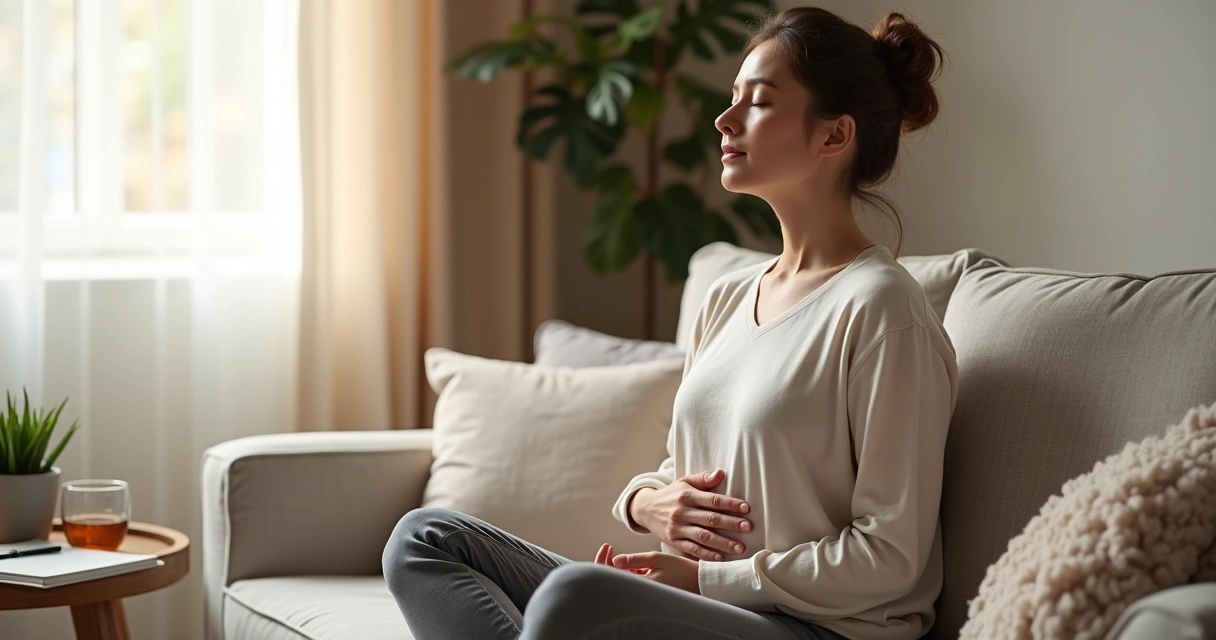
Before talking about techniques, the first real step is awareness. We invite you to try this right now:
- Sit comfortably, relax your hands on your legs.
- Close your eyes or lower your gaze.
- Without trying to control it, simply notice each inhale and exhale.
- After just one minute, open your eyes and check in with how you feel.
This simple pause returns you to the present. You may notice your thoughts slow, or tension shift ever so slightly. This is the foundation for all breath regulation.
Core techniques for breath regulation
There are several useful practices for changing your breath and managing stress. Each can be adapted to suit personal needs and comfort. In our view, trying a few at different times of day is the best way to see what feels most natural.
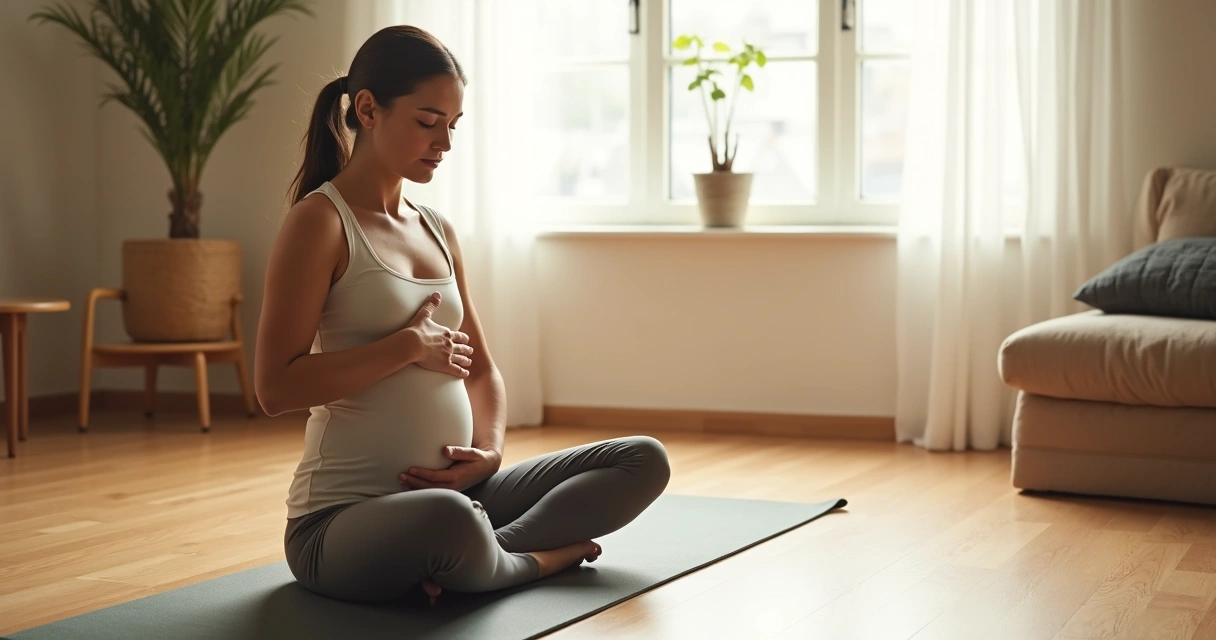
- Diaphragmatic breathing (belly breathing): Place one hand on your chest and one on your belly. Breathe in through your nose and let your belly expand. Exhale slowly, letting your belly fall. This helps engage the diaphragm, encouraging a natural, deeper breath.
- Box breathing: Inhale for a slow count of four, hold the breath for four, exhale for four, hold for another four. Repeat a few cycles. This creates a steady rhythm and a sense of structure.
- Extended exhale breathing: Inhale through the nose for a count of four, then exhale gently through the mouth for a count of six or eight. Stretching the exhale sends a clear signal to the body that it is safe to relax.
Each of these can be learned and practiced by anyone, no matter the level of experience or age.
How to build a simple breathing routine
Consistency helps. We recommend setting aside a quiet moment, even just five minutes, once or twice daily. Choose a spot free from distractions: a comfortable chair, a quiet corner, or even outdoors. The key is to link the routine to something you already do—perhaps right after waking up or before bedtime.
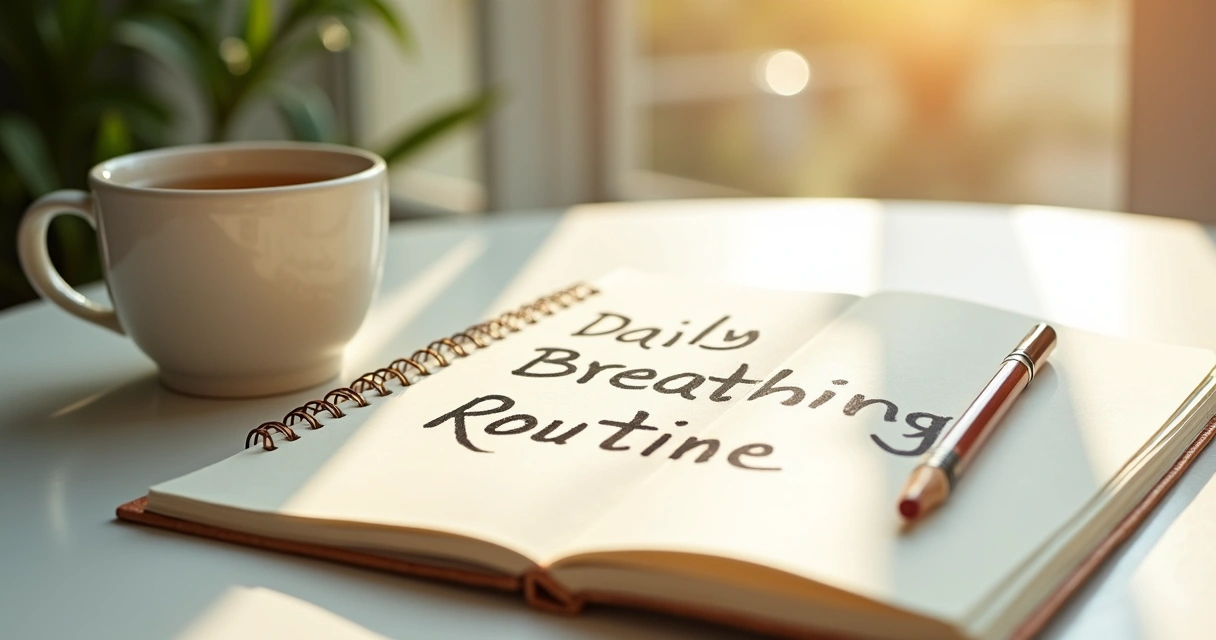
- Pick a technique you like from the section above.
- Set a timer for five minutes.
- Sit comfortably and focus just on your breathing cycle. If your mind wanders, gently guide it back.
Over time, this anchors the mind and body in a rhythm that keeps stress from taking over.
What to do when stress spikes unexpectedly
Sometimes, stress comes out of nowhere. These are not planned moments but sudden reminders that our emotions need care. When that happens, short and simple is best. Try this in stressful moments:
- Pause and notice where in your body you feel tightness.
- Take one slow, deep inhale, feeling your belly rise.
- Let the breath out very slowly, even sighing as you do.
- Repeat for three breath cycles. Go back to your activity with more ease.
Even one mindful breath can change the whole moment.
In our experience, these micro-pauses can break the automatic chain of stress reactions. Each small step adds up.
Cultivating presence and resilience
We find that making breath regulation not just a technique but a way of tuning in builds resilience. Over time, the ability to return to the breath becomes second nature, sharpening clear thinking, balanced emotion, and relaxed awareness.
When you give the breath a regular role in your day, you give yourself a steady way to return to clarity and calm whenever you need it.
Conclusion
Stress touches us all, but it does not have to decide how we feel or act. Through simple, everyday breathing practices, we can shape our response and support our recovery. We have found that regular breath awareness and basic techniques, when woven into daily life, act like gentle reminders to pause and reset.
This is not about fixing stress, but learning how to recover, return, and feel present again. We encourage you to begin with one small step—a single breath, a short pause—and see what grows from there.
Frequently asked questions
What is breath regulation for stress?
Breath regulation for stress means intentionally changing breathing patterns to help the mind and body recover from high tension or anxiety. This is done by slowing, deepening, or rhythmically controlling the breath to shift the nervous system toward relaxation.
How can I start breath regulation?
Start by noticing how you are breathing in everyday situations. Set aside a few minutes each day to practice a technique like belly breathing or box breathing in a quiet place. Regular practice, even if short, helps you build familiarity and benefit from the effects.
What are the best breathing techniques?
Some of the most effective techniques for stress recovery are diaphragmatic breathing (belly breathing), box breathing, and extended exhale breathing. Each of these offers a way to calm the mind and body quickly, and they can be tailored to individual comfort.
How often should I practice breath regulation?
Aim for at least once or twice a day, even if only for five minutes at a time. Practicing during both calm and stressful periods helps build the skill so that it is there when needed most.
Is breath regulation safe for everyone?
For most people, breath regulation is very gentle and safe. However, if you have respiratory, heart, or mental health concerns, it may help to speak with a healthcare provider before starting new practices. Always listen to your comfort and stop if you feel dizzy or uncomfortable.