
We often notice sleep only when it fails us. We turn in bed, adjust the pillow, and wait for the body to do what it should do on its own. Yet one signal speaks before sleep breaks down, and many of us miss it. It is the breath we carry into the night.
In our experience, the minutes before sleep reveal a lot about the state of the mind. When thought is scattered, breath rarely stays calm. It may turn shallow, fast, irregular, or full of small pauses. That does not always mean illness. But it can mean inner agitation that the day kept hidden.
Night shows what the day concealed.
Many people know this scene. The room is quiet, the lights are off, and the body is finally still. Then the chest feels tight. The inhale seems thin. The exhale ends too soon. Thoughts jump from one unfinished thing to another. Sleep has not started, but rest is already missing.
Why the breath changes before sleep
Breathing is one of the fastest ways the mind speaks through the body. When we are at ease, breath tends to soften and lengthen on its own. When we are tense, even in subtle ways, breath often becomes guarded.
Pre-sleep breathing can reflect the nervous system state we bring into bed.
This matters because bedtime is a transition. We move from activity to stillness, from outward attention to inner contact. If the mind has been rushing all day, silence may not feel peaceful at first. It may feel exposing. We start hearing what we have postponed.
We have seen that people often blame sleep itself when the real issue begins earlier. The body is trying to settle, but the breath shows that the mind is still on alert.
Signs your pre-sleep breath may reveal a restless mind
Not every unusual breath pattern points to the same cause. Still, some signs appear again and again when mental rest is low at night.
You may notice patterns like these:
- Breathing mostly in the upper chest instead of the lower ribs or belly
- Short exhales that feel cut off
- A need to take sudden deep breaths or sigh often
- Fast breathing even while lying still
- Holding the breath without meaning to
- A feeling that the body is tired but the breath is not ready for sleep
These signs can feel small. That is why they are easy to dismiss. But small does not mean meaningless. The breath often changes before we fully admit that we feel tense, worried, or emotionally crowded.
We think this is one reason bedtime can be so revealing. During the day, noise and tasks cover inner signals. At night, they become easier to hear.
When thought and breath feed each other
A restless mind can change the breath. The reverse is also true. An uneven breath can keep the mind awake. This creates a loop that many people know well but do not name.
We lie down. A concern appears. Breath tightens. The body senses strain. Then the mind reacts to the body. “Why am I not calm yet?” That question adds pressure. The breath gets less natural. Sleep moves farther away.
When the exhale stays short, the mind often reads the night as unsafe, even without a clear reason.
This does not mean we should control every breath. In fact, forced breathing can make some people more self-conscious. The first step is not control. It is observation.

What research suggests
Current findings support what many people feel in lived experience. A 2026 systematic review on slow breathing before bedtime found that practicing slow breathing, at ten breaths per minute or less, improved self-reported sleep duration and sleep quality across nine studies with 457 participants. Objective sleep measures were mixed, but the personal sense of sleeping better still matters. How we enter sleep shapes how sleep is lived.
Another useful clue comes from a case-control study in Taiwan on anxiety, sleep-disordered breathing, and heart-rate variability. In that group, about half of newly diagnosed generalized anxiety disorder patients had undiagnosed sleep-disordered breathing, and those with it showed worse anxiety scores and lower heart-rate variability. We should be careful not to turn every restless night into a diagnosis, but this does show that troubled breathing and troubled mental states can overlap in serious ways.
Breathing patterns before sleep deserve attention because they may reflect both mental strain and sleep disruption.
How to observe your breath without turning it into a task
Some people make the mistake of trying too hard to relax. We understand why. Fatigue creates urgency. But sleep does not respond well to pressure. Gentle attention works better.
A simple way to start is to give the breath two minutes of honest notice while lying down. No fixing. No judging. Just watch.
You can ask yourself:
- Is my inhale quiet or strained?
- Does my exhale fall naturally or stop early?
- Am I breathing through the nose with ease?
- Do I feel movement in the ribs and abdomen, or only in the chest?
- Do thoughts speed up when I notice the breath?
That last question matters. Sometimes the mind becomes louder when we finally listen. That is not failure. It is information.
Gentle ways to settle before sleep
If your pre-sleep breath often feels tense, the goal is not perfect technique. The goal is to lower inner friction. We have found that small, repeatable actions usually help more than dramatic routines.
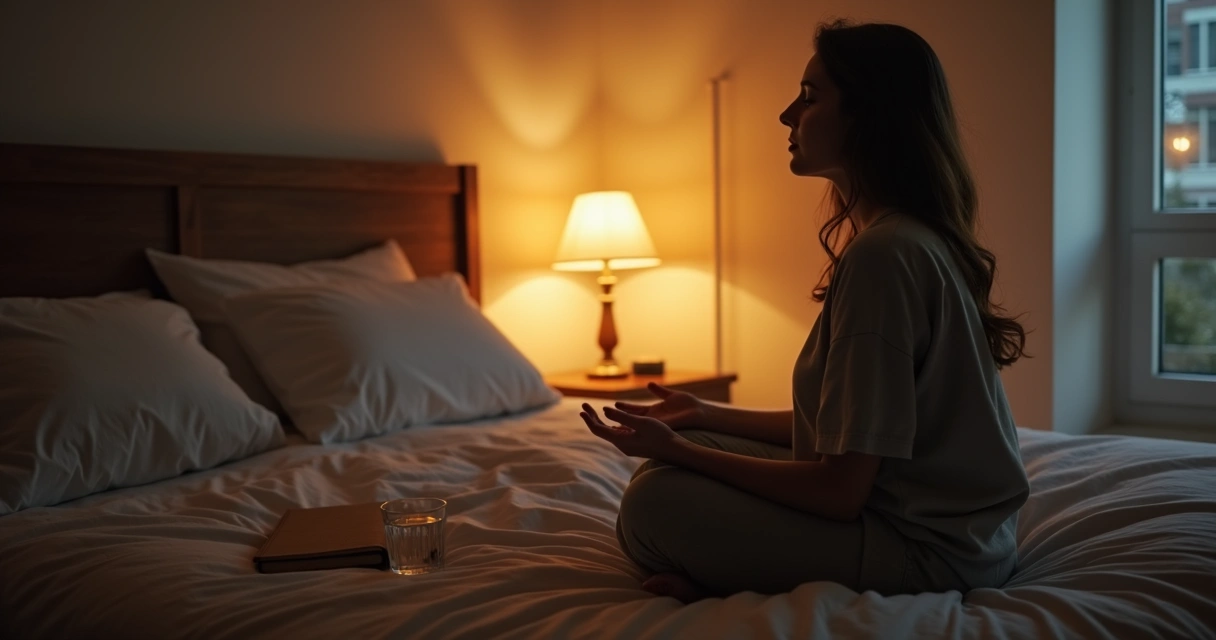
A simple sequence may help:
- Dim the room and reduce stimulation for a few minutes before bed.
- Sit or lie down with one hand on the lower ribs.
- Let the inhale come through the nose without pulling air in.
- Allow the exhale to last a little longer than the inhale, without strain.
- Continue for five to ten rounds, then stop counting and rest.
This is not a contest. If longer exhales make you uneasy, shorten them. If counting makes you alert, drop the numbers. The body accepts calm more easily when calm does not feel forced.
When to look deeper
At times, pre-sleep breathing points to more than stress. If you often gasp awake, snore heavily, wake with a dry mouth, feel marked daytime sleepiness, or notice repeated breathing discomfort at night, a fuller health evaluation may be wise.
We say this not to create fear, but to support discernment. A restless mind can disturb breathing. Breathing problems can also disturb the mind. Both directions are possible.
Conclusion
Ignoring pre-sleep breath is easy because it seems ordinary. Yet the ordinary often carries the clearest signals. The breath we bring to bed can show whether the mind is settled, burdened, guarded, or overstimulated. If we learn to notice it with honesty, bedtime becomes less of a mystery.
We do not need to chase perfect calm. We only need to stop overlooking what the body says in quiet moments. Sometimes the first step toward better sleep is not sleeping harder. It is breathing honestly enough to hear the mind.
Frequently asked questions
What is pre-sleep breathing?
Pre-sleep breathing is the pattern of breath we have in the minutes before falling asleep. It includes pace, depth, rhythm, and whether breathing feels relaxed or tense. This short period can show if the body is settling well or staying on alert.
Why does restless mind affect sleep?
A restless mind keeps the nervous system active. When thoughts stay fast or tense, breathing may become shallow or uneven, muscle tone may stay high, and the body may struggle to shift into rest. This can delay sleep or make sleep feel lighter.
How to calm my mind before sleep?
We suggest keeping it simple. Lower light, reduce stimulation, and sit or lie quietly for a few minutes. Let the breath come through the nose and soften the exhale without force. Gentle repetition helps more than trying to make the mind empty.
What are signs of unhealthy pre-sleep breath?
Common signs include fast breathing while at rest, upper chest breathing, frequent sighing, breath holding, trouble exhaling fully, or a feeling of air hunger. If these signs happen often or come with snoring, gasping, or strong fatigue, they deserve closer attention.
Can breathing exercises improve sleep quality?
Yes, they can help many people. Slow and gentle breathing before bed has been linked to better self-reported sleep quality and longer sleep in research. The effect is often stronger when the practice feels natural and steady rather than strict or effortful.