
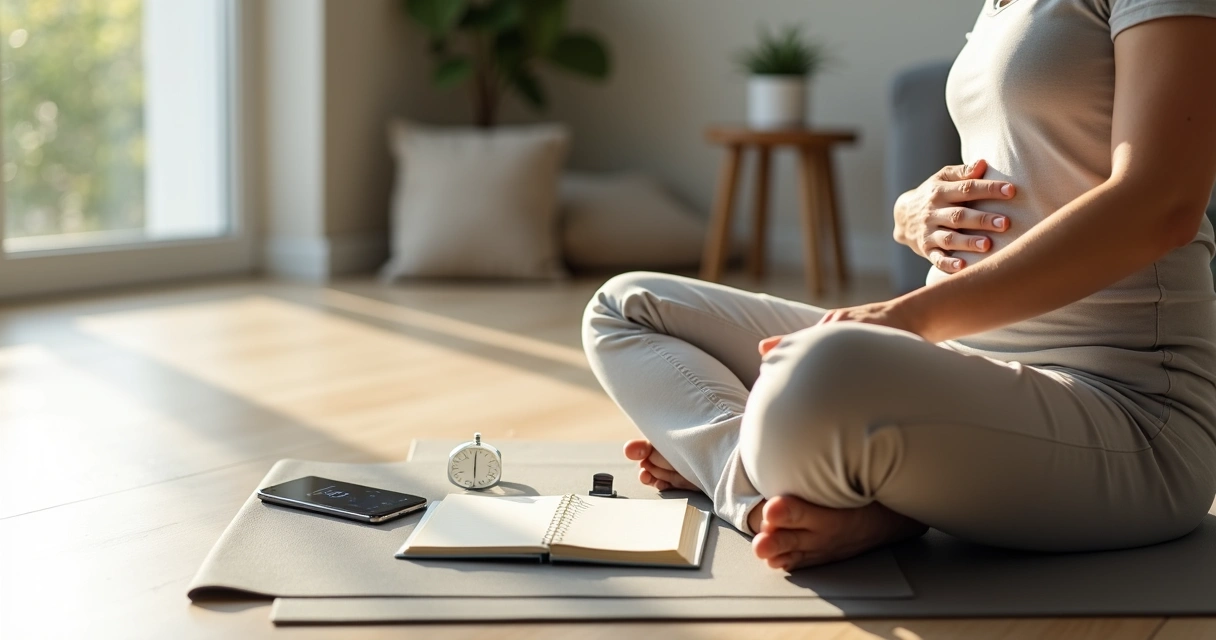
Breathing is the foundation of life, yet we rarely pay close attention to how we breathe. Through observation, we can discover patterns in our own breath that echo our emotional and mental states. When we track these patterns with simple tools, we begin to understand the rhythms that shape us each day. We believe that with attention and some easily available resources, everyone can start this gentle self-study right now, right where they are.
Why breathing patterns matter
Our breath changes minute by minute. It speeds up with excitement, slows down with calm, gets shallow under stress, and deepens when we relax. These changes reflect not only what’s happening in our body, but also in our mind and emotions.
If we listen, the breath tells us what words cannot.
By tracking our breathing, we notice subtleties we would otherwise miss. Are we often holding our breath? Do we breathe mostly from the chest or the belly? Perhaps our inhalations are longer than our exhalations, signaling tension, or the other way around, pointing to a need for more energy.
Through careful observation, we open doors to self-awareness and conscious change.
Setting the stage for observation
Before using any tools, it helps to create the right environment. We suggest:
- Finding a quiet space, free from sudden distractions
- Sitting comfortably with both feet on the ground
- Setting aside expectations, being present with what is
We think it’s best to start with curiosity rather than judgment. Notice, without rushing to correct. In our experience, this leads to better insight and less frustration.
Simple tools for breathing observation
There’s no need for expensive devices to begin. Some of the most effective tools are readily available and easy to use daily.
Body as a measurement tool
The first and most valuable tool is your own body. We can notice how, where, and when breath moves us. Placing a hand on the chest and another on the abdomen, we can feel which area rises first and how much movement there is. Are the shoulders lifting? Is air entering through the nose, or the mouth?
The body never lies about breathing.
Counting breaths per minute
One of the most basic methods is simply counting our breaths. Here’s how we do it:
- Sit quietly and breathe as you normally would.
- Set a timer for one minute.
- Count each full breath cycle (inhale and exhale as one).
- Record the number, along with the time of day and any feelings present.
This basic metric tells us a lot. Most adults at rest breathe 12–20 times per minute, but anxiety or deep relaxation can shift us above or below this range. Over days and weeks, patterns emerge.

Journaling breathing experiences
Sometimes, writing down what we notice is as valuable as counting. We invite you to keep a breathing journal. This doesn’t have to be long or detailed—just a few notes each time you observe:
- The physical sensations noticed (where the breath moves, ease or tension)
- The emotional tone or mood present at that moment
- Any challenging or pleasant thoughts that arise
Writing creates a record that helps us pick up on repeating patterns and triggers. For example, you might spot that holding your breath happens during certain conversations, or deep sighs appear after stressful meetings.
Simple visual tools
Visual feedback can reinforce our self-awareness. We often suggest these:
- A small mirror: Watch how the ribcage, shoulders, or nostrils respond as you breathe.
- Colored stickers or dots: Place them on items like a water bottle or computer monitor as reminders to pause and check in with your breath.
- Sticky notes: Jot a sentence to yourself, such as “How am I breathing right now?” and place it where you’ll see it through the day.
Using a timer or chime
Reminders help us build the habit. We sometimes use the timer on our phone to remind us every hour to check in with our breath. Some people prefer a gentle chime or bell, set in regular intervals, to bring awareness back to their bodies.
What patterns can we observe?
As we continue, certain patterns often emerge. Here are a few we have seen:
- Rapid breathing during work deadlines or tense conversations
- Breath-holding when concentrating on a screen
- Belly breathing when relaxing in the evening
- Shallow breathing in social situations, or during exercise
Each pattern carries information. The goal isn’t to judge, but to see. With regular observation, we begin to notice what supports comfort and what signals stress.

Integrating observation into daily life
We know that new habits need reminders. Here’s how we encourage integrating breathing observation into different moments of the day:
- Start each morning with a minute of breath tracking before getting out of bed.
- Pause at red lights or while waiting in line to check your breathing.
- Use transitional moments—like before eating or starting a task—to take a single deep, conscious breath.
- Record what you notice at the same time each evening, for better comparison over time.
Consistency over perfection makes the difference. The more we check in, the more natural it feels to observe ourselves kindly. Slowly, these moments layer, building comfort and calm from the inside out.
How simple observation supports change
Sometimes, in our experience, the simple act of noticing brings natural shifts.
Awareness is a doorway. Change follows quietly.
We might see stress-triggered shallow breaths and, without thinking, soften the belly and lengthen the breath. Over time, small changes add up, helping us stay more balanced. The beauty is in how gentle and accessible this process is—no special skill is needed, only curiosity and care.
Conclusion
Bringing awareness to the breath is one of the simplest and most rewarding forms of self-observation. With tools as basic as our hands, a notebook, or a gentle timer, we can unlock the messages hidden in our breathing patterns. Through honest and gentle observation, we learn to meet ourselves with clarity, presence, and kindness. Step by step, we write a new story with each conscious breath.
Frequently asked questions
What is a breathing observation tool?
A breathing observation tool is any object or method that helps us pay attention to, measure, or record our breath and its patterns. This could be as simple as your own body (like placing your hand on your chest), a timer, a notebook, or visual reminders. The aim is to support self-awareness and help track changes in how we breathe over time.
How do I track my breathing patterns?
To track breathing patterns, begin by picking a quiet time and place. Sit comfortably and breathe naturally. Use a timer to count complete breath cycles per minute. Alternatively, keep a journal to note the quality of your breath and your emotional state. Simple reminders, like sticky notes or visual cues, can prompt check-ins throughout the day. Recording these observations regularly helps identify patterns and understand the relationship between your breath, stress, and daily habits.
Why should I monitor my breathing?
Monitoring your breathing can reveal how stress, emotions, and activities influence your body and mind. By gaining this awareness, you may notice triggers for anxiety or tension, or moments of relaxation and ease. This insight supports conscious choices for wellbeing, helping to build resilience and a sense of calm in daily life.
What are the best breathing tools?
The best tools are those that fit easily into your life and encourage regular observation. These can include using your hands to sense movement, journaling, timers or chimes for reminders, and simple visual cues like stickers or mirrors. Over time, consistency in using these tools brings greater self-knowledge about your breathing habits.
Is tracking breathing at home effective?
Yes, tracking breathing at home with simple methods can be very effective. With consistent observation, you’ll start to spot patterns linked to your activities and emotions. This supports more mindful and healthy breathing with no need for complicated equipment.