
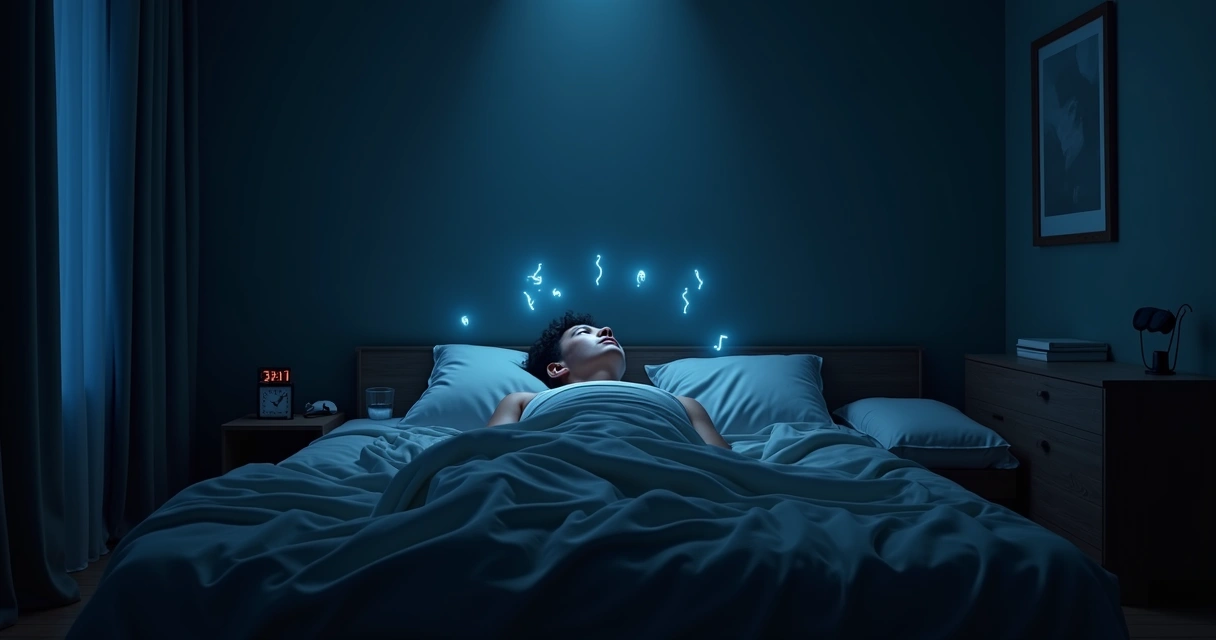
We all crave nights of uninterrupted, peaceful sleep. Yet, as we have seen in countless conversations, small hidden habits—especially those related to breathing—can quietly keep us from true rest. Many of us never question how we breathe at night. We simply turn off the light and hope for the best.
But our bodies know better. Breathing is not just about moving air in and out; it sharply shapes our nervous system, our muscles, even the rhythms of our dreams. Let us pull back the covers on nine breathing habits that may hold us back from the restorative sleep we need.
Why does breathing matter for sleep?
Sleep is a time when our bodies seek balance and repair. Yet, small disruptions in the way we breathe can send subtle stress signals. These can shorten deep sleep, raise heart rates, and—over time—leave us waking up as tired as we were the night before.
Our breathing pattern during sleep is not always easy to control, but habits formed during the day, and especially in our bedtime routines, dramatically influence what happens each night.
The nine breathing habits stealing your rest
1. Mouth breathing instead of nasal breathing
We frequently find mouth breathing at the top of the list when sleep troubles arise. The nose naturally filters, warms, and humidifies air. The mouth, however, skips all those vital steps.
According to the European Respiratory Journal, upper-airway resistance is higher when breathing through the mouth. This can lead to louder snoring, dry mouth upon waking, and even a higher risk of waking up during the night.
When the mouth opens, restful sleep closes its doors.
We encourage developing the habit of breathing gently through the nose, both day and night.
2. Shallow chest breathing
Shallow breathing uses only the upper parts of the lungs. At night, this habit means the body works harder to pull in enough oxygen. Shallow breaths are often linked with stress or anxiety, but they also creep in as a default during the day and then follow us to bed.
Deep, slow breathing from the diaphragm helps trigger the relaxation response needed for restful sleep.
3. Irregular or interrupted breathing
Sometimes we hold our breath, sigh, or stop breathing without noticing. Studies show that spontaneous sighs can link to muscle activity and brief wake-ups during sleep. In a study on sleep sighing, researchers found that about 64% of sighs were followed by increased muscle or brainwave activity suggesting mini-arousals. Each interruption cuts into deep sleep, making a night feel fragmented come morning.
The more broken our breath rhythm, the more broken our sleep.
We recommend practicing even, smooth breaths—especially before lights out.
4. Snoring and forced breathing sounds
Snoring is more than just noise. It often points to turbulent, forced breathing and sometimes, to restricted airflow. Even when low and soft, this habit can cause micro-awakenings or drop us from deep to light sleep stages repeatedly through the night.
While snoring is common, ignoring it often invites sleep troubles that could have gentle, simple fixes.
5. Sighing or breath holding before sleep
If we notice ourselves sighing heavily or holding our breath as soon as we get in bed, we are not alone. This subtle sign can stem from nervousness, anticipation, or an overactive mind. Sighs briefly disrupt breathing rhythm, introducing stress signals precisely when we seek calm.
Avoiding excessive sighs or prolonged pauses before sleep can help keep our bodies in a softer, more restful state.

6. High rate of breathing at bedtime
Rapid breaths signal the body to stay alert. A racing mind or a last-minute push to get things done may set the breathing rate high. When we get into bed still breathing fast, we bring stress and alertness with us, blocking the calm pathway to deep sleep.
Breathe slowly and the mind follows, slowing too.
We suggest setting aside a few quiet minutes to lengthen exhales and slow the breath before bedtime.
7. Overuse of sighs during the night
It might surprise us, but excessive sighing at night is linked to disruptions in brain and muscle activity. According to the study on sighs and sleep arousals, frequent sighs are not just harmless habits. They can trigger small awakenings that leave us feeling less rested, even after a full night in bed.
If sighs are common, gentle retraining of the breath pattern may bring relief for both body and mind.
8. Sleeping in positions that restrict breathing
We often think only about comfort, but our chosen sleep position can squeeze or free our breath. For example, curling tightly, stacking pillows too high, or sleeping face-down can limit chest or nasal passage space.
Try experimenting with side or back positions and gentle neck alignment. A small change can open up space for easier, quieter breaths all night.
9. Ignoring nasal congestion or allergies
Even a little nasal stuffiness can push us into disruptive mouth breathing. If left unchecked, nasal congestion can undermine every effort to form better habits. Daily allergy management, regular cleaning of pillows and sheets, or even humidifiers in dry climates can help keep airways open.
Clear airways open the way to better sleep.
Our advice: Address minor congestion early and enjoy easier, quieter nights.
How we can change these habits
Habits can feel fixed, but with daily awareness, they begin to shift. We find that slow, gentle adjustments made outside the bedroom—during meditation, quiet evening moments, or while reading—help the most. Training ourselves to notice, then soften the breath, builds a foundation for better nights to come.

Try this simple bedtime routine:
- Sit quietly in bed, eyes closed.
- Breathe slowly through the nose.
- Let the belly rise with each inhale and fall with each exhale.
- Count four beats in, six beats out; repeat for several minutes.
Over time, the rewards quietly build: easier breaths, fewer wake-ups, a sense of comfort in one’s own rhythms.
Conclusion
We all carry daily breathing habits into our sleep, some helpful, some harmful. By growing aware of these nine habits—mouth breathing, shallow breathing, irregular pauses, snoring, excessive sighing, rapid breath, awkward positions, and congestion—we give ourselves a better shot at true rest. Change begins not with drastic measures, but with small questions and gentle attention to every breath, every night.
Frequently asked questions
What are common bad breathing habits?
Common bad breathing habits include mouth breathing, shallow chest breaths, frequent sighing or breath holding, rapid or irregular breaths, and sleeping in positions that constrict the chest or neck. Other habits like ignoring nasal congestion or breathing too quickly can also affect sleep quality. Becoming aware of these patterns is the first step toward improvement.
How does breathing affect sleep quality?
Breathing patterns influence the nervous system, oxygen flow, and the transitions between sleep stages. Poor breathing habits—such as mouth breathing, rapid breaths, or frequent sighing—can cause more micro-awakenings and lower amounts of deep, restorative sleep.
How can I improve my breathing at night?
To improve breathing at night, try establishing a calming pre-sleep routine with slow, deep nasal breaths. Address allergies or congestion, adjust your sleeping position for open airways, and practice breathing exercises during the day. Consistent practice supports more effective breathing patterns even while asleep.
What are signs of poor sleep breathing?
Signs of poor sleep breathing include waking up tired, dry mouth, headaches, frequent waking, loud snoring, or observed pauses in breathing. You may also notice daytime sleepiness or trouble focusing. If these symptoms persist, it may be helpful to review your nightly breathing habits and seek advice from a health professional.
Is mouth breathing bad for sleep?
Mouth breathing can disrupt sleep due to higher airway resistance, leading to dryness, snoring, and fragmented rest. Studies show nasal breathing helps keep airways clear and supports steadier sleep. Shifting toward nasal breathing can make nights more restful and mornings brighter.