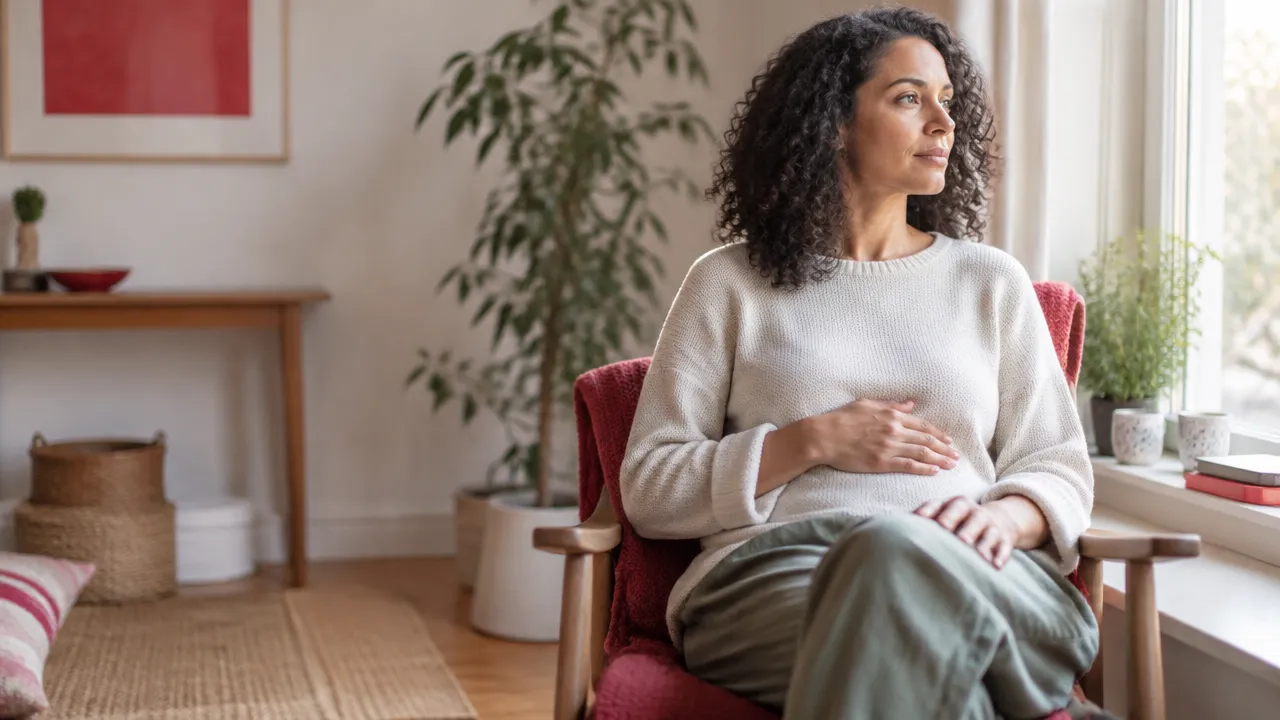
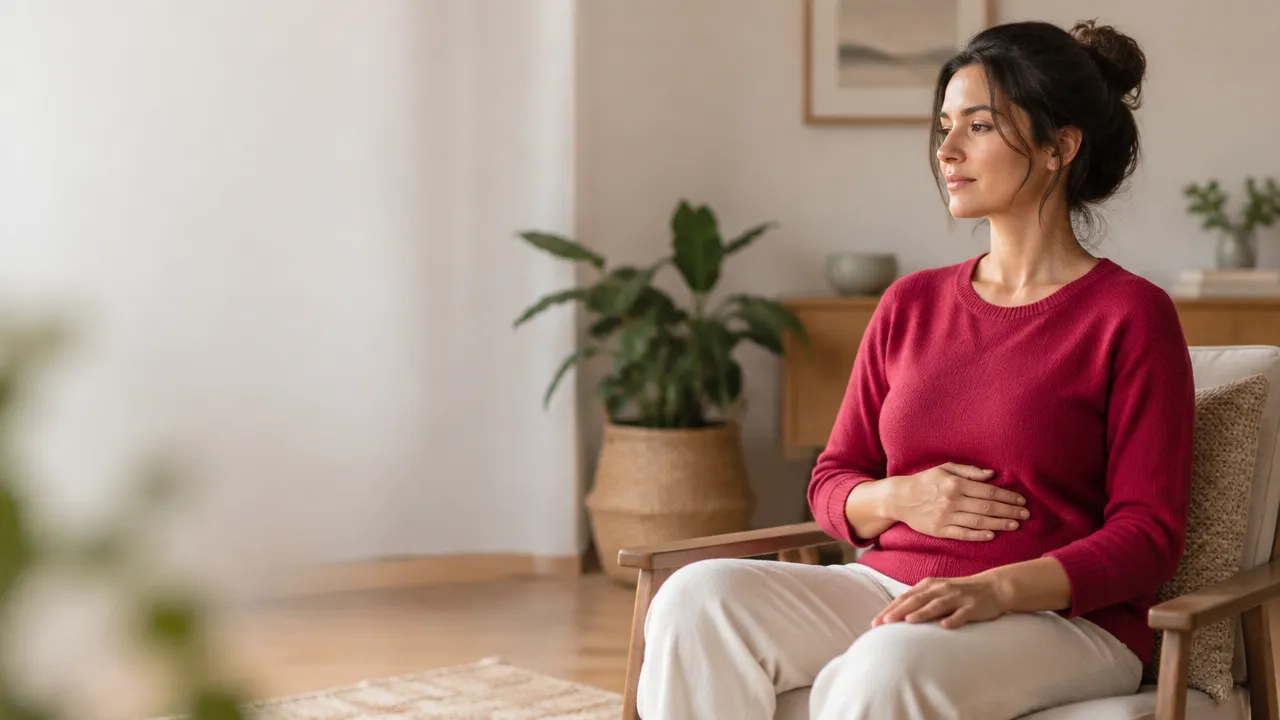
Breath sequencing is a simple way to layer attention: first notice posture, then the breath’s movement, then sensations and emotions. It is useful for beginners and experienced practitioners who want a clearer, less forceful breathing practice. The key is to add awareness gradually, not to make each breath deeper or more controlled.
Key points to remember
- Move attention through a few distinct layers instead of monitoring everything at once.
- Begin with natural breathing; add a rhythm only if it feels comfortable.
- Use changes in comfort and attention as feedback, not as a score.
- Pause or stop if the practice causes strain, dizziness, or increased distress.
What does breath sequencing mean?
Breath sequencing is a deliberate order for noticing the breath and its effects. A useful sequence might move from posture, to the physical movement of breathing, to a specific sensation, and finally to the emotion or thought present. Unlike a fixed breathing pattern, it can be practiced without counting or changing the breath.
This distinction matters: attention can be layered without adding effort. For example, you might notice your feet on the floor, feel the ribs expand, and then name a sensation such as warmth or tightness. A sensory awareness practice can help make those observations more specific.
How can you practice a gentle sequence?
Try this four-minute exercise while seated, with your eyes open or softly lowered. Let breathing remain ordinary. The sequence is a structure for attention, not a test of concentration.
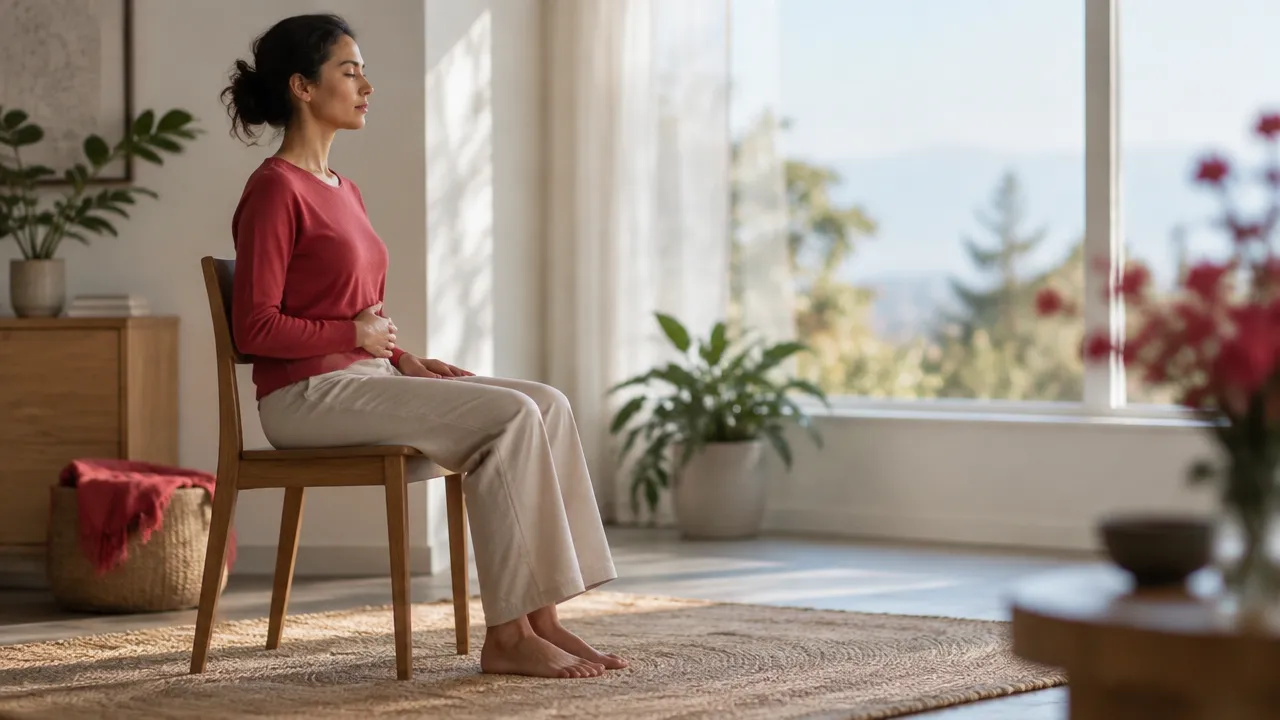
- Settle: Notice your feet, the support beneath you, and whether your shoulders can soften.
- Locate the breath: Choose one place to sense it, such as the nostrils, chest, ribs, or abdomen.
- Notice movement: Observe where the body moves on an inhale and where it releases on an exhale.
- Name one sensation: Silently label a neutral observation, such as “warm,” “light,” or “tight.” Do not force it to change.
- Check the emotional tone: Ask what feeling is present, if any. A simple label such as “restless” or “settled” is enough.
- Widen attention: Include the whole body and the room, then finish without trying to hold a special state.
If attention wanders, return to the last layer you could notice easily. You do not need to restart. This makes the exercise flexible enough for a quiet morning, a short work break, or a transition between activities.
Which sequence fits your intention?
Choose a sequence based on what you want to notice, rather than assuming one breathing pattern works for every situation. A breath regulation practice may include a comfortable slower rhythm, while a simple awareness sequence can leave breathing untouched.
| Intention | Sequence to try | What to observe |
|---|---|---|
| Settle | Feel support, follow the exhale, notice the body afterward. | Whether the pace feels comfortable, not whether calm appears. |
| Focus | Notice posture, count a few natural breaths, then drop the count. | How easily attention returns after distraction. |
| Emotional clarity | Notice breath movement, name a body sensation, identify a feeling. | Whether the label fits or needs to change. |
These are starting points, not prescriptions. If counting makes you tense, remove it. If attending to internal sensations feels uncomfortable, keep your eyes open and include external details such as sounds or the feel of the chair. A breath cue for emotional awareness can also be as simple as pausing to name what you notice.
Why should the sequence stay flexible?
A sequence is most useful when it improves observation without turning breathing into a performance. People differ in which sensations feel accessible, and the same person may prefer different layers at different times. If a sensation is hard to identify, choose another one or return to the contact of your feet with the floor.
Research offers a reason to explore structured breathing, but not a guarantee that one sequence suits everyone. In a randomized trial, researchers compared brief daily breathing practices with mindfulness meditation and reported improvements in mood and reductions in respiratory rate in the breathing groups. The randomized breathing practice trial examined specific protocols, so its findings should not be treated as proof that every breathing exercise has the same effects.
How can you tell whether to continue or stop?
Comfort is a useful guide. Continue when the breath feels unforced and attention remains manageable. If you notice dizziness, breathlessness, panic, or mounting strain, stop the sequence and let breathing return to its usual pattern. You do not need to take deeper breaths to make the exercise work.
People with a health condition that affects breathing, or who are unsure whether a particular practice is suitable, can ask a qualified healthcare professional for guidance. For everyday practice, keep the goal modest: notice one thing clearly, then finish. The beginner’s guide to breath training offers another way to think about observing breathing without treating each session as a performance.
Frequently asked questions
What are some breath awareness meditation techniques?
Breath awareness meditation means noticing the breath without needing to change it. Try sensing air at the nostrils, following the rise and fall of the ribs, or noticing where the body moves. When attention wanders, gently return to one sensation. A sequence can move through these observations one at a time.
What are the five main breathing techniques?
There is no single official list of five. Commonly taught approaches include diaphragmatic breathing, paced breathing, box breathing, alternate-nostril breathing, and the 4-7-8 pattern. Breath sequencing can combine observation with one of these patterns, but it does not require using several techniques or holding the breath.
Is breath sequencing the same as 4-7-8 breathing?
Breath sequencing is not the same as 4-7-8 breathing. The 4-7-8 pattern is one specific counted rhythm, while sequencing means moving attention through layers such as posture, airflow, body sensation, and emotion. You can practice a sequence with natural breathing and no fixed count.
How long should I practice breath sequencing?
Start with three to five minutes, or less if that feels more comfortable. The purpose is to notice how attention and sensation change, not to reach a target duration. Stop or return to ordinary breathing if you feel dizzy, strained, or more unsettled.